If you have been treating a chronic condition with the same prescription for a while, your daily routine probably runs on autopilot – pill in the morning, maybe another at night, and a supplement (mineral, multivitamin, or omega-3) somewhere in there. The trouble is that supplements and medications do not always work well side by side in your body. Some bind to each other in the stomach, affecting absorption. Some add an  extra boost to the meds themselves. Most of these interactions are easy to manage once you know they exist, and they rarely mean stopping any treatment you are already on.
This article is for readers who are settled on their current treatment and just want a clear idea of where common supplements may be helping, hindering, or maybe just doing nothing at all. The goal is to reassure, not to recommend change. Any decisions of what to adjust should still go through your prescribing healthcare professional.
The big picture on supplements and medications
Two patterns explain most of what happens when supplements meet prescription drugs. The first is physical: minerals like calcium, iron, and magnesium can grab onto certain pills in the gut and stop them from being absorbed. The second is biological: some supplements already do the same things as the prescription – lowering blood pressure, thinning the blood a little, or shifting blood sugar.
- Most absorption interactions are solved by spacing doses a few hours apart, not by stopping anything.
- A few supplements (notably ashwagandha and high-dose fish oil) have effects strong enough to matter on top of some prescription meds.
- Some medications drain the body of essential nutrients over time, so supplementation is sometimes the answer rather than a problem.
A little knowledge goes a long way, so the information here is not intended to steer you away from the supplement aisle. Just take into account the facts when at the pharmacy counter.
Thyroid, bone, and stomach medications: timing is everything
Levothyroxine is one special case. Calcium, iron, magnesium, multivitamins with minerals, and high-fiber supplements like psyllium can all reduce how much hormone your body absorbs. The standard fix is simple: take Synthroid (levothyroxine) on an empty stomach, then delay taking mineral supplements for at least four hours. Taking a thyroid pill at bedtime gets the same result.
Bone medications follow a similar logic. Bisphosphonates such as Fosamax (alendronate), Actonel (risedronate), and Boniva (ibandronate) are blocked by calcium taken at the same time. The medications still need calcium and vitamin D to do their job – the pill needs its own window, taken first thing in the morning, and then supplements later.
Bone-building injectable treatments for osteoporosis work differently. Prolia (denosumab) and Evenity (romosozumab-aqqg) actually require adequate calcium and vitamin D. Without them, calcium levels can dip too low. This is a specific example of where supplements are part of the treatment plan, not colliding with it. 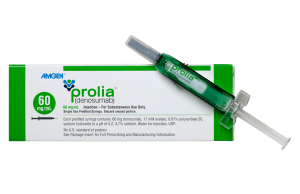
Long-term acid blockers can also create supplement needs. Nexium (esomeprazole), Prilosec (omeprazole), Protonix (pantoprazole), and Pepcid (famotidine) reduce stomach acid, which can lower B12, magnesium, calcium, and iron over the years. Patients on these medications long term often benefit from monitoring rather than avoidance. Always discuss any change in routine with your prescriber.
Diabetes and weight-management treatments
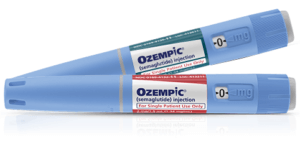
The newer GLP-1 medications have dramatically changed the whole world of diabetes and weight loss treatments. Ozempic and Wegovy (semaglutide), Mounjaro and Zepbound (tirzepatide), and Victoza (liraglutide) all slow stomach emptying. That is part of why they work, but it also means iron and other nutrients absorb more slowly. Anemia has been reported in some patients, so iron levels are worth checking during treatment. 
Rybelsus, the oral form of semaglutide, is even more sensitive to timing. It must be taken on an empty stomach with a sip of water, and food, fiber, or supplements within thirty minutes will reduce how much medication actually gets in.
- Glucophage (metformin) is well known to deplete vitamin B12 in roughly one in five long-term users.
- Combining metformin with a long-term acid blocker raises that risk further, especially in older adults.
- Jardiance (empagliflozin) increases urination, so staying hydrated and watching electrolyte-heavy supplements matters.
- Psyllium and other soluble fibers can mildly lower blood sugar – usually a small bonus, occasionally a reason to monitor more closely.
Ashwagandha deserves a special mention here. It can lower blood sugar and blood pressure, which can stack with prescription antidiabetics or antihypertensives in unwelcome ways. None of these treatments should to be stopped in favor of it, but the combination should be discussed with a doctor before adding ashwagandha to the routine.
Anticoagulants: the supplement category that needs the most care
Blood-thinning prescriptions are where supplements have the most-discussed reputation. Warfarin is the most sensitive, because its effect rises and falls with vitamin K intake. Suddenly switching to a green powder rich in chlorella, kale, or spinach can shift INR levels enough to matter.
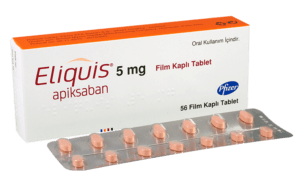
The newer direct oral anticoagulants – Eliquis (apixaban) and Xarelto (rivaroxaban) – are less affected by vitamin K but still share a watch list with high-dose fish oil and herbal blends containing garlic, ginger, ginkgo, or turmeric. These additions can mildly add to bleeding tendency, particularly above three grams of fish oil daily. 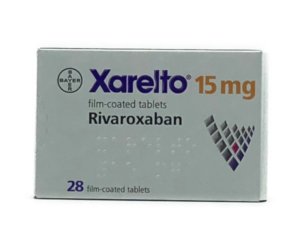
For Plavix (clopidogrel), the same general caution applies for fish oil and herbal blends. The general rule across this whole category is consistency. A steady supplement routine is much easier on anticoagulant therapy than a routine that changes month to month.
Cholesterol, blood pressure, and heart medications
Most cardiovascular prescriptions are surprisingly forgiving with supplements. Statins like Lipitor (atorvastatin), Crestor (rosuvastatin), and Zocor (simvastatin) generally play well with vitamin D, fish oil, and B12. There is a modest two-way interaction between statins and high-dose vitamin D, but it is rarely meaningful in practice.
Blood pressure medications are also broadly compatible. The wrinkle is that magnesium, ashwagandha, and high-dose fish oil all gently lower blood pressure on their own. Stacked with Norvasc (amlodipine), Cozaar (losartan), Prinivil (lisinopril), or Lopressor (metoprolol), the combined effect can occasionally tip into dizziness or low blood pressure.
- Thiazide diuretics like Hyzaar (hydrochlorothiazide) keep more calcium in the body, which combined with calcium and vitamin D supplements can sometimes push calcium too high.
- Loop diuretics like Lasix (furosemide) and potassium-sparing options like Aldactone (spironolactone) interact with magnesium in opposite directions.
- Lanoxin (digoxin) is sensitive to changes in calcium and magnesium levels, which is worth knowing for anyone on it.
- Zetia (ezetimibe) has few notable supplement interactions but should still be timed away from fiber supplements.
None of this should change a treatment plan that is working. It just frames why a periodic conversation with a prescriber about the full supplement list – not just the prescriptions – is worth having.
Autoimmune, mental health, and other long-term treatments
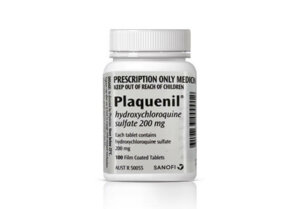 For people on autoimmune therapies – Plaquenil (hydroxychloroquine), Xeljanz (tofacitinib), Olumiant (baricitinib), Skyrizi (risankizumab-rzaa), or Dupixent (dupilumab) – the most important supplement caution is around immune stimulation. Ashwagandha and certain herbs in green powders (echinacea, astragalus) can nudge the immune system in the opposite direction from what the medication is trying to do.
Antidepressants overlap with supplements in a different way. Lexapro (escitalopram), Zoloft (sertraline), Cymbalta (duloxetine), Wellbutrin (bupropion), and Trintellix (vortioxetine) can theoretically combine with ashwagandha or St. John’s wort in ways that affect serotonin balance. The data is limited, but caution is reasonable.
Timing is also an important lever to minimize interactions:
- For Parkinson’s disease, Sinemet (carbidopa-levodopa) competes directly with dietary protein for absorption. People on it are usually advised to space protein-heavy meals and protein powders away from doses.
- Neurontin (gabapentin) is reduced by magnesium taken at the same time, which is an easy fix with timing.
- Migraine prevention with Qulipta (atogepant) sits comfortably alongside magnesium, which has its own modest evidence for migraine.
- Xenical (orlistat) reduces absorption of fat-soluble vitamins including D, so spaced supplementation is generally part of the routine.
How supplements and medications work safely together
Across every category above, the through-line is simple: most supplement-medication issues are about timing, dose, and consistency, not about choosing one over the other. A supplement routine is a real part of the treatment picture, even when it sits in a separate cabinet.
Patients who have been on long-term medication therapy through IsraelPharm benefit from the same continuity that makes interaction risk easier to manage in the first place. IsraelPharm is a licensed international pharmacy that supplies branded prescriptions – including Eliquis, Synthroid, Ozempic, Prolia, and Plaquenil – under the supervision of registered pharmacists. Steady supply means a steady routine, which is exactly what makes supplements easier to plan around.
Treatment comparison
| Treatment | How it works | Pros | Cons | Typical use |
|---|---|---|---|---|
| Synthroid (levothyroxine) | Replaces thyroid hormone the body is not making in adequate amounts. | Effective and well established. Once-daily dosing. | Absorption affected by minerals, fiber, soy, and coffee. | Long-term hypothyroidism management. |
| Eliquis (apixaban) / Xarelto (rivaroxaban) | Block clotting factor Xa to prevent dangerous blood clots. | No routine INR monitoring. Less affected by vitamin K than warfarin. | Bleeding risk; care with high-dose fish oil and certain herbs. | Atrial fibrillation, DVT/PE prevention and treatment. |
| Warfarin | Blocks vitamin K-dependent clotting factors. | Decades of clinical experience. Reversible. | Highly sensitive to vitamin K intake; needs INR monitoring. | Long-term anticoagulation, especially valve replacements. |
| Ozempic (semaglutide) / Mounjaro (tirzepatide) | Mimic GLP-1 (and GIP for tirzepatide) hormones to control blood sugar and appetite. | Strong glycemic and weight benefits. Weekly dosing. | GI side effects; can lower iron and B12 absorption over time. | Type 2 diabetes; weight management (Wegovy, Zepbound). |
| Prolia (denosumab) / Evenity (romosozumab-aqqg) | Slow bone breakdown (Prolia) or build new bone (Evenity). | Reliable fracture risk reduction. Twice-yearly or monthly injection. | Require adequate calcium and vitamin D; hypocalcemia risk. | Postmenopausal osteoporosis with high fracture risk. |
| Glucophage (metformin) | Reduces liver glucose output and improves insulin sensitivity. | Decades of safety data. Inexpensive. | GI side effects; depletes vitamin B12 over time. | First-line type 2 diabetes therapy. |
How to access medications mentioned in this article through IsraelPharm
For readers who are settled on long-term treatment and want a reliable, knowledgeable supply source, IsraelPharm offers a viable option. The pharmacy supplies the exact branded products patients are prescribed – Eliquis, Synthroid, Ozempic, Prolia, Plaquenil, and many of the other medications discussed above – without substituting unless a prescription specifies otherwise.
For patients on long-term programs, the cost of these medications through IsraelPharm can be significantly lower than US retail pricing, which adds up significantly across years of treatment. Continuity of supply is built into the ordering process, so there are no gaps to manage between refills, and home delivery removes the trip to the pharmacy. IsraelPharm is a licensed international pharmacy operating under regulatory oversight, with a valid prescription from a licensed physician required for every order.
Visiting the IsraelPharm website is the natural next step for readers who want to compare pricing on their current branded prescription, learn more about the products covered in this article, or arrange supply for ongoing treatment.
Further reading
- Medicinal mushrooms supplements – IsraelPharm blogs
- Side Effects of Farxiga: What Patients Should Know – IsraelPharm blogs
- Natural GLP-1 Supplements: Do The Work – IsraelPharm blogs
- Compounded semaglutide – IsraelPharm blogs
- National Institutes of Health Office of Dietary Supplements fact sheet – NIH
- FDA: Drug interactions – what you should know – FDA
Frequently asked questions
Can I take supplements and medications together safely?
Yes, most supplements and medications can be taken together safely with the right timing. The key principles are:
- Take levothyroxine and bisphosphonates separately from minerals.
- Space psyllium and fiber from prescription drugs by several hours.
- Keep vitamin K intake steady if on warfarin.
- Tell your prescriber about every supplement you take.
- Review your routine yearly to catch new interactions.
Do supplements interact with Eliquis or Xarelto?
High-dose fish oil and certain herbs can mildly add to the blood-thinning effect of Eliquis or Xarelto. The most relevant cautions include:
- Fish oil above three grams daily.
- Garlic, ginger, ginkgo, and turmeric supplements.
- Sudden changes in green powder routines.
- Vitamin E in high doses.
Most readers on Eliquis or Xarelto can keep modest supplement routines safely.
Why does levothyroxine need to be separated from supplements and medications?
Levothyroxine binds to calcium, iron, magnesium, and fiber in the gut, which blocks absorption. To keep levels steady:
- Take Synthroid on an empty stomach.
- Wait at least 30 minutes before eating.
- Separate mineral supplements by four hours.
- Avoid taking with multivitamins, calcium, or iron.
Should I take vitamin D with my osteoporosis medication?
Yes, calcium and vitamin D are part of osteoporosis treatment with Prolia, Evenity, and bisphosphonates. The basic plan looks like this:
- Adequate calcium intake every day from food or supplements.
- Vitamin D sufficient to keep blood levels in range.
- Bisphosphonates taken first thing in the morning, well separated.
- Prolia or Evenity require calcium support to prevent low calcium levels.
Can metformin or acid blockers cause vitamin deficiency?
Yes, metformin and long-term acid blockers like Nexium and Prilosec can lower vitamin B12 over time. Practical steps include:
- Annual B12 blood testing for long-term metformin users.
- B12 supplementation if levels drop.
- Monitoring magnesium on long-term acid blockers.
- Reviewing the combination if both medications are taken.
Glossary
- Absorption The process by which a medication or nutrient passes from the gut into the bloodstream to take effect.
- Adaptogen A plant-based supplement, such as ashwagandha, claimed to help the body resist physical and mental stress.
- Anticoagulant A medication that reduces the blood’s ability to form clots, lowering the risk of stroke and embolism.
- Bisphosphonate A class of bone medications that slow bone breakdown, used to treat or prevent osteoporosis.
- Chelation A chemical process where minerals bind to drug molecules in the gut, preventing them from being absorbed.
- Direct oral anticoagulant (DOAC) A newer class of blood thinners, including apixaban and rivaroxaban, that work without routine INR monitoring.
- GLP-1 receptor agonist A class of medications that mimic gut hormones to lower blood sugar and reduce appetite in diabetes and weight care.
- Hypercalcemia Higher than normal levels of calcium in the blood, sometimes caused by combined calcium, vitamin D, and thiazide use.
- Hypomagnesemia Lower than normal magnesium levels, sometimes caused by long-term acid blocker or diuretic use.
- INR A blood test that measures how long it takes blood to clot in patients on warfarin therapy.
- Levothyroxine A synthetic version of the thyroid hormone thyroxine, used to treat underactive thyroid conditions.
- Probiotics Live microorganisms intended to support a healthy balance of bacteria in the digestive system.
- Proton pump inhibitor (PPI) A medication class that strongly reduces stomach acid production, used for reflux and ulcers.
- Vitamin K A nutrient found in leafy greens that the body uses to form blood clots, and which interacts with warfarin therapy.