
You’ve probably seen headlines questioning the safety of GLP-1 medicines – the cornerstone of the wave of the latest drugs that have revolutionized many areas of healthcare, primarily in control of type 2 diabetes and the promotion of weight loss.
Some of those headlines feel urgent. Others feel contradictory. One day these medications are described as breakthroughs, the next as dangerous shortcuts. It is no surprise that confusion has taken hold, especially across social media, where personal stories and half-explained research tend to blur together.
This article takes a step back from the noise. The goal is simple: to explain the real GLP-1 side effects, separate them from exaggerated fears, and put the overall safety picture into perspective, supported by research and clinical experience.
What GLP-1 medications actually do
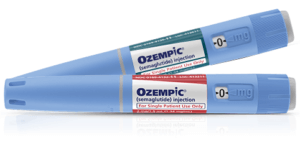
GLP-1 receptor agonists – often shortened to GLP-1 RAs – are designed to mimic a natural hormone involved in blood sugar control and appetite regulation. Medications such as semaglutide (found in Ozempic, and Rybelsus) and tirzepatide (used in Mounjaro) all work through this same pathway, supported by extensive research into their overall safety profile.
- They stimulate insulin release when blood sugar rises.
- They reduce glucagon, which otherwise raises blood sugar.
- They slow stomach emptying, leading to a more gradual release of glucose.
- They signal fullness in the brain, reducing appetite.
Originally developed for type 2 diabetes, these medications gained attention when weight loss emerged as a consistent effect. That “side effect” quickly became a primary use, leading to medications like Wegovy (semaglutide) and Zepbound (tirzepatide) being specifically approved for obesity management.
Over time, researchers also began to notice broader benefits, including improvements in cardiovascular risk factors and metabolic health. This is why discussions about the benefits and risks of GLP-1 treatments need to stay balanced.
The most common side effects of GLP-1 RAs
User experience
For most people, the experience of starting a GLP-1 medication is defined by gastrointestinal symptoms.
- Nausea.
- Vomiting.
- Diarrhea.
- Constipation.
These gastrointestinal side effects of GLP-1 medications are common, particularly in the early stages of treatment.
Why the GLP-1 side effects happen
- Slowed gastric emptying delays digestion.
- Brain signals that reduce appetite can also trigger nausea.
- Higher doses increase the intensity of these effects.
These effects are usually temporary and improve as the body adapts.
Common misconceptions and exaggerations about GLP-1 side effects
Much of the concern around Ozempic side effects and Wegovy risks comes from misunderstanding early signals in research.
- Pancreatitis has been investigated, but large trials have not confirmed a consistent increase.
- Thyroid cancer findings are mainly from animal studies, not confirmed in the general population.
- Eye issues such as retinopathy appear linked to rapid blood sugar changes rather than direct drug toxicity.
While rare risks exist, most patients experience manageable symptoms rather than severe complications, reinforcing the overall safety of GLP-1 therapies.
Who is at greatest risk from GLP-1 side effects
- People with prior gastrointestinal conditions such as pancreatitis or gastroparesis.
- Individuals with a history of medullary thyroid cancer or MEN 2.
- Those using insulin or sulfonylureas.
- Older adults more prone to dehydration and muscle loss.
- People with a history of depression or eating disorders.
- Pregnant women.
These factors shape discussions around the long term safety of GLP-1 medications.
How to reduce GLP-1 side effects and stay on track
- Gradual dose increases.
- Dietary adjustments with smaller meals.
- Maintaining hydration.
- Regular follow-up with a healthcare provider.
Many symptoms improve over time with proper adjustment.
Access and availability considerations
For patients considering the safety of weight loss injections, consistent access is part of safe long-term use.
Services such as IsraelPharm may provide access to medications like Ozempic or Wegovy for patients facing cost or availability challenges.
- Lower pricing compared to US retail markets.
- Access to branded medications.
- Convenient delivery for ongoing treatment.
- Regulated pharmacy dispensing.
Thoughts to take away about GLP-1 safety
- Most side effects are manageable.
- Serious risks are rare but real.
- Benefits often extend beyond weight loss.
Understanding the benefits and risks of GLP-1 therapy requires balanced interpretation of the evidence rather than headline-driven conclusions. The initiation of any treatment, or changes to regimen, should only be taken with a qualified healthcare professional.
Frequently asked questions about GLP-1 side effects
Are GLP-1 side effects dangerous for most patients?
GLP-1 side effects are usually not dangerous for most patients, as they are typically limited to mild gastrointestinal symptoms such as nausea or diarrhea. These effects are linked to how the medication works and often improve over time. While serious complications like pancreatitis or gallbladder disease can occur, they are uncommon. The overall safety profile remains favorable when GLP-1 medications are used appropriately under medical supervision.
Do Ozempic side effects go away over time?
Ozempic side effects often improve as the body adjusts to the medication. Symptoms such as nausea, reduced appetite, and mild digestive discomfort are most common during the early weeks of treatment. Gradual dose increases are designed to minimize these effects. In most cases, these symptoms decrease significantly over time, although some individuals may continue to experience mild gastrointestinal discomfort.
What are the most common Wegovy risks?
Wegovy risks primarily involve gastrointestinal symptoms such as nausea, vomiting, diarrhea, and constipation. These effects are related to slowed digestion and appetite regulation. Less common risks include gallbladder disease and dehydration. Although these risks are real, they are generally manageable and occur less frequently than mild side effects. Monitoring and dose adjustments can help reduce the likelihood of complications.
How safe is semaglutide compared to other GLP-1 medications?
The semaglutide safety profile is comparable to other GLP-1 receptor agonists, with gastrointestinal symptoms being the most common side effects. Semaglutide may cause slightly more pronounced nausea due to its potency, but it also delivers strong metabolic benefits. Long-term data supports its use in both diabetes and weight management, with safety outcomes similar to other drugs in the same class.
What does long term safety of GLP-1 medications mean in practice?
The long term safety of GLP-1 medications refers to how these drugs affect the body over extended periods of use. Current evidence shows that they remain effective and generally safe, with ongoing monitoring for rare complications such as gallbladder disease or metabolic changes. Long-term studies continue to refine understanding, but existing data supports their use as part of a structured treatment plan.
Glossary
- Cardiovascular risk: The likelihood of developing heart or blood vessel diseases such as heart attack, stroke, or hypertension.
- Gallbladder disease: Conditions affecting the gallbladder, including gallstones or inflammation, which can cause pain and digestive complications.
- Gastroparesis: A condition where the stomach empties more slowly than normal, leading to nausea, bloating, and discomfort after eating.
- Gastrointestinal symptoms: Digestive system effects such as nausea, vomiting, diarrhea, constipation, or abdominal discomfort during treatment.
- GLP-1 receptor agonist: A class of medications that mimic a natural hormone to help regulate blood sugar levels and reduce appetite.
- Hypoglycemia: A condition where blood sugar levels drop below normal, potentially causing dizziness, confusion, sweating, or fainting.
- MEN 2 (Multiple Endocrine Neoplasia type 2): A rare inherited condition that increases the risk of developing certain endocrine tumors, including thyroid cancer.
- Medullary thyroid cancer: A rare type of thyroid cancer that develops from specialized cells and may be linked to genetic conditions like MEN 2.
- Metabolic health: The overall efficiency of the body’s processes that control energy use, blood sugar balance, and fat storage.
- Pancreatitis: Inflammation of the pancreas that can cause severe abdominal pain and interfere with normal digestion.
- Retinopathy: Damage to the small blood vessels in the eye, often related to diabetes, which can lead to vision problems.
- Sulfonylurea: A type of diabetes medication that lowers blood sugar by increasing insulin release from the pancreas.