

drug prices
The Crisis of Rising Drug Prices in the US
There’s a lot of talk on Capitol Hill about the need to address high drug prices and the spiraling cost of medications in the US. This is a subject that pops up quite regularly, perhaps in
Spend $99, get free U.S. shipping*
Tel: 1-866-456-3768 Fax: 1-866-544-8993
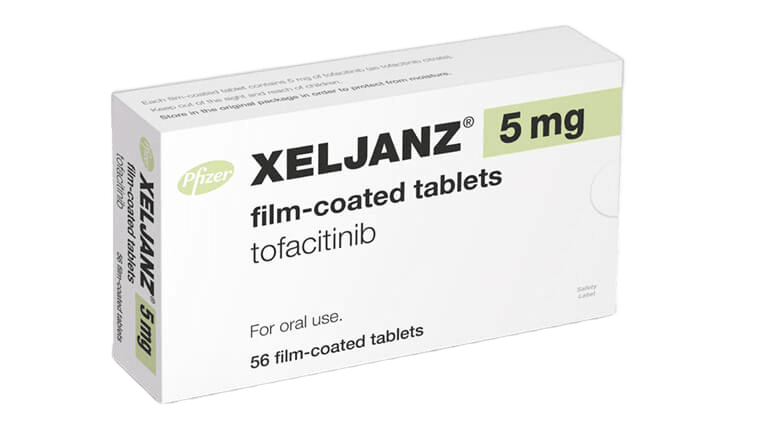
For visual reference only; actual product may vary
US Name:
Xeljanz
Alternative Names:
Xeljanz
Active Ingredients:
Tofacitinib citrate
Brand Manufacturer:
Pfizer
Manufacturer Location:
Turkey
Click here to view Product Insert
Click here to view Product Insert
For visual reference only; actual product may vary
Xeljanz (tofacitinib) is a targeted oral therapy for adults with autoimmune conditions. It effectively reduces joint pain and inflammation from rheumatoid or psoriatic arthritis. It also treats ulcerative colitis and other inflammatory diseases. Xeljanz helps manage symptoms when other treatments have failed, including off-label use for alopecia.
| Xeljanz XR Brand | 11mg 28 Tablets | $479.00 | Add to Cart |
| Xeljanz Brand | 5mg 56 Tablets | $512.00 | Add to Cart |
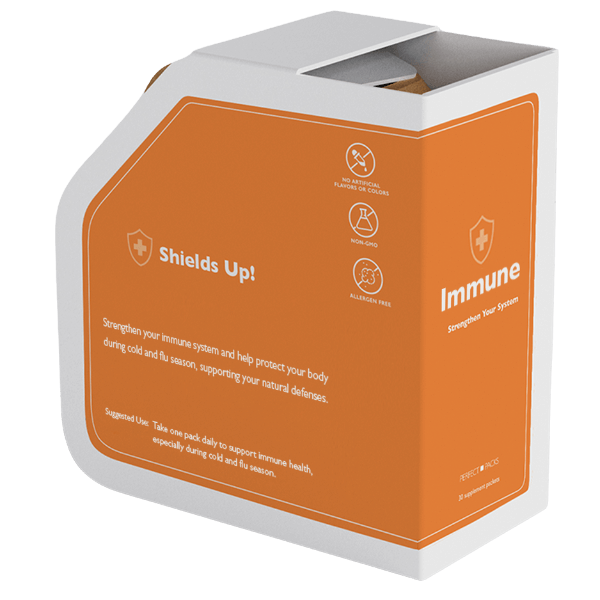 Immune Pack Immune Pack | 30 Pouches 1 Pouch a Day | –+ | Our price: $59.50 |
Xeljanz is a prescription medication used to treat several chronic autoimmune diseases in adults. Its generic name is tofacitinib. It belongs to a class of drugs known as Janus kinase (JAK) inhibitors. Xeljanz is primarily approved for moderately to severely active rheumatoid arthritis and psoriatic arthritis. It is also used for ulcerative colitis and ankylosing spondylitis. Doctors often prescribe it when older treatments, like TNF blockers, were not effective. Additionally, Xeljanz is used off-label to treat hair loss from alopecia areata.
Xeljanz works by inhibiting the activity of Janus kinase (JAK) enzymes inside your cells. These enzymes play a key role in the inflammation that causes symptoms in autoimmune disorders. By blocking these specific pathways, Xeljanz interrupts the signaling process that leads to an overactive immune response. This action helps to calm the immune system. It reduces inflammation, leading to less pain, swelling, and stiffness in the joints. For ulcerative colitis, it helps decrease inflammation and damage in the colon lining.
Xeljanz is intended for adults with specific autoimmune diseases who need a targeted treatment. It is suitable for patients with rheumatoid arthritis, psoriatic arthritis, ulcerative colitis, or ankylosing spondylitis. It is often a next step for those who did not respond well to or could not tolerate TNF blocker medications. Xeljanz can also be an option for people with severe alopecia areata. This medication is not for everyone. It should not be used by people with active serious infections, severe liver problems, or very low blood counts. Pregnant or breastfeeding women should also avoid it.
Xeljanz should be taken exactly as prescribed by a healthcare provider. It comes as an oral tablet that you can take with or without food. Your specific dose and whether you take it once or twice daily depends on your condition and the formulation prescribed (immediate-release or extended-release). Do not crush, split, or chew extended-release tablets. Always follow the instructions on your prescription label. Store the medication at room temperature, away from moisture and heat. Keep it safely out of the reach of children.
Xeljanz may cause some side effects, though not everyone experiences them. The most common side effects include upper respiratory tract infections, headaches, and diarrhea. While usually mild, you should tell your doctor if these persist. Xeljanz also has a risk of more serious side effects due to its effect on the immune system. These include serious infections like tuberculosis and shingles, an increased risk of blood clots, and certain types of cancer. Your doctor will monitor you closely with regular blood tests to check for changes in your blood cells and cholesterol levels.
IsraelPharm offers a reliable and convenient way to get your prescription medications. We source our products from a highly regulated and secure supply chain, ensuring you receive authentic Xeljanz at a competitive price. Our platform makes it easy to order online with a valid prescription from your doctor. With discreet packaging and international shipping, we bring your medication right to your door. Our customer service team is available to assist you with any questions, providing a seamless and trustworthy experience for all your pharmacy needs.
Xeljanz can cause side effects, which range from mild to serious. It is important to be aware of potential reactions while taking this medication.
These effects are generally mild and may decrease over time. Contact your doctor if they persist.
Xeljanz includes warnings about serious risks. Seek immediate medical attention if you experience any of the following:
Xeljanz is approved to treat adults with several chronic inflammatory and autoimmune conditions, particularly when other treatments like TNF blockers have not been effective.
Xeljanz may begin to improve symptoms within a few weeks, but it can take longer for the full effects to be felt. Some patients with rheumatoid arthritis notice improvements in pain and swelling within 2 to 4 weeks. For conditions like ulcerative colitis or alopecia, the timeframe might be longer, potentially taking 3 months or more to see significant results. Always follow up with your doctor to assess your progress on the treatment.
Xeljanz does not have a direct major interaction with alcohol, but it is wise to limit your consumption. Both alcohol and Xeljanz can potentially affect the liver, so moderation is key. Heavy or excessive drinking should be avoided. We recommend you discuss your alcohol use with your doctor to understand any potential risks based on your overall health and other medications you might be taking while on this therapy.
Xeljanz is known to cause hair regrowth in patients with alopecia areata, an autoimmune condition that causes hair loss. By suppressing the immune response that attacks hair follicles, Xeljanz allows hair to grow back. While this is a common off-label use, it is not a guaranteed outcome for everyone. Its effectiveness depends on the individual and the extent of the alopecia. It is not a treatment for common male-pattern baldness.
Xeljanz treatment requires regular blood tests to monitor your health and watch for potential side effects. Your doctor will order tests to check your blood cell counts, including lymphocytes, neutrophils, and red blood cells. They will also monitor your liver function and cholesterol levels. These tests are usually done before starting treatment and then periodically throughout your therapy to ensure the medication remains safe for you.
If you miss a dose of Xeljanz, you should take it as soon as you remember. However, if it is almost time for your next scheduled dose, just skip the missed dose and resume your normal schedule. Do not take a double dose to make up for a missed one. Taking too much Xeljanz can increase your risk of side effects. If you frequently forget doses, speak with your pharmacist or doctor.
Xeljanz is considered an immunosuppressant because it works by calming an overactive immune system. It specifically inhibits Janus kinase (JAK) enzymes, which are involved in the inflammation process of autoimmune diseases. This immunosuppressive action helps relieve symptoms but can also increase your risk of infections. It is important to take precautions to avoid illness, as advised by your healthcare provider while taking this medication.
Xeljanz users should not receive live vaccines because the medication suppresses the immune system. Receiving a vaccine with a live, weakened virus could potentially lead to a serious infection. It is very important to ensure all your vaccinations are up to date before you start your treatment. You should always discuss your vaccination status and any upcoming shots with your doctor before beginning Xeljanz therapy.
Xeljanz is neither a biologic nor a steroid; it is in a class of drugs called Janus kinase (JAK) inhibitors. Biologics are large-molecule drugs derived from living sources, while steroids are synthetic hormones. Xeljanz is a small-molecule drug that works inside cells. It targets a specific pathway to reduce inflammation, offering a different and more targeted mechanism of action for treating autoimmune conditions.
Xeljanz has a serious warning for an increased risk of blood clots, including deep vein thrombosis (DVT) and pulmonary embolism (PE). This risk can be life-threatening. Your doctor will evaluate your personal risk factors, such as a history of blood clots or heart problems, before prescribing this medication. You must seek immediate medical attention if you experience symptoms like leg swelling, sudden chest pain, or shortness of breath.
The primary difference between Xeljanz and Xeljanz XR lies in their dosing schedules. Xeljanz is an immediate-release tablet that is typically taken twice a day. In contrast, Xeljanz XR is an extended-release formula designed to be taken just once a day. Both versions contain the same active ingredient, tofacitinib, and treat the same conditions. Your doctor will choose the formulation that best fits your medical needs and lifestyle.
Xeljanz tablets must be stored at room temperature, below 77°F (25°C), in the original bottle to protect them from moisture and light. Keep the medication in a secure, dry place that is out of the reach of children and pets. After first opening the bottle, any unused tablets must be disposed of after 30 days. Proper storage helps maintain the drug's effectiveness and safety.
Xeljanz does not provide a cure for rheumatoid arthritis, but it is highly effective at managing the disease and improving symptoms. By reducing the autoimmune response, it helps decrease joint pain, swelling, and stiffness. This can also help prevent further long-term joint damage. It is a chronic treatment meant to control the condition and enhance your quality of life. Consistent use is key to achieving and maintaining remission.
Xeljanz carries a warning about a potential increased risk of certain cancers, like lymphoma and lung cancer. This is because the medication affects the immune system, which might reduce its ability to detect and fight off cancer cells. Your doctor will discuss your personal risk factors with you before starting treatment. It is vital to attend all regular check-ups and immediately report any unusual symptoms to your healthcare provider.

Send Your Prescription
No Hidden Fees
Generally 7-10 Business Days


IsraelPharm has been delivering lost cost prescriptions from Israel for over 15 years worldwide. Daily flights allow us to get your medications dispatched fast! Delivery to the USA is under 10 days and you can track and trace every order.
There’s a lot of talk on Capitol Hill about the need to address high drug prices and the spiraling cost of medications in the US. This is a subject that pops up quite regularly, perhaps in

A recent article from CNN Politics discusses the measures Medicare is taking to reduce the cost of medications that financially burden the agency. The title of the CNN Politics article tells just about all you

According to the US Federal government’s public data published in March 2023 on YouGov.com, more than one-third of Americans ignore their prescriptions or have not filled a prescription because of its cost. When a prescription


Hi there!
You’re moving to Rxfor.Me, our trusted telehealth partners, and secure extenstion of your IsraelPharm care.
Visit rxfor.me for an online doctor consultation
You will be taken to a telehealth
site to continue
Continue to checkout on IsraelPharm
Quantity can be adjusted at
checkout