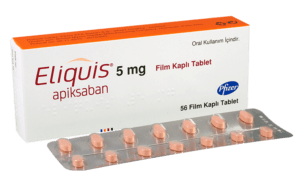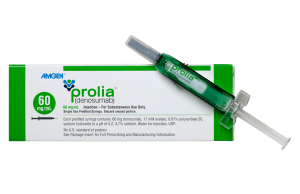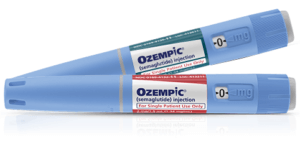
 Compounding pharmacies have returned to public attention because they can help fill gaps when standard drug supply chains fall short. In recent years, drug shortages, changing patient needs, and renewed interest in personalized treatment have pushed compounded medications back into everyday healthcare discussions.
Framing the issue in practical terms: compounding is neither a miracle solution nor a fringe activity. It is a long-standing part of pharmacy practice that can be useful in the right setting, but it also comes with important limitations. That balance matters, especially when people are comparing a regular retail pharmacy with a provider that prepares medications to order.
What is so special about compounding pharmacies?
Compounding pharmacies have become more visible because they can respond to shortages and patient-specific prescription needs more quickly than standard supply systems. When a regular pharmacy depends on stock already sitting on a shelf, a shortage can leave patients waiting for weeks or searching from one location to another.
A compounding pharmacy works differently. Instead of relying only on packaged, factory-made products, it can prepare a medication for a specific prescription. That local and flexible model has become more important during periods of supply-chain disruption, especially for patients who cannot easily switch to an alternative treatment.
This renewed focus does not mean compounded medications have replaced standard approved drugs. It means they have re-entered the conversation as a practical option in selected situations, especially when regular products are unavailable or not suitable for a patient’s needs.
How compounding pharmacies went out of the picture
Compounding used to be a normal part of pharmacy practice. In the first half of the twentieth century, many patients would have known a pharmacist, druggist, or apothecary who prepared medicines from raw ingredients in the back room. A prescription often meant a medicine was made on site, in the exact form and strength ordered by the prescriber.
That changed as industrial drug manufacturing expanded. Modern medicine moved toward large-scale production, sealed packaging, standard strengths, and wide distribution. Pharmacies gradually became dispensing centers for finished products rather than small production sites.
The shift brought major advantages. Manufactured medications offered:
- Reliable large-scale production.
- Standardized strengths and dosage forms.
- Predictable labeling and patient instructions.
- Broader distribution through national supply systems.
As a result, compounding moved from the center of pharmacy practice to a more specialized role. It never disappeared, but it became less visible to the average patient.
How drug shortages changed the picture
Drug shortages have been one of the biggest reasons compounding pharmacies came back into focus. When a prescribed medicine is not available through normal retail channels, the problem is not just inconvenience. It can interrupt treatment, create confusion, and in some cases put health at risk.
Shortages can affect many kinds of patients, but some groups are hit especially hard. Older adults, people with chronic illness, and those using newer branded medicines often have fewer easy substitutes. If a patient has already found a treatment that works, switching is not always simple.
The practical effects of shortages can include:
- Delays in starting or continuing treatment.
- Extra doctor visits to discuss alternatives.
- Use of older therapies when newer ones are unavailable.
- Failure to fill the prescription at all, even after supply returns.
This is where compounding pharmacies can sometimes help. They may be able to prepare a product that matches the prescription requirement when commercial stock is unavailable. That does not solve every shortage, but it can create a local route to access in selected cases.
What laws apply to compounding pharmacies
Compounded medications are governed by a different legal framework from standard FDA-approved drugs. That distinction is central to understanding both their value and their limits.
How section 503A pharmacies work
Section 503A of the Federal Food, Drug, and Cosmetic Act covers the traditional compounding pharmacy model. A 503A pharmacy prepares medication for an individual patient based on a specific prescription from a licensed prescriber.
These pharmacies are generally overseen at the state level and must be operated by a properly licensed pharmacist or physician, depending on the setting. Their work is tied to patient-specific prescriptions rather than broad commercial distribution.
How section 503B outsourcing facilities differ
The Drug Quality and Security Act of 2013 added section 503B and created a second category known as outsourcing facilities. These facilities can compound larger quantities without waiting for an individual prescription in every case, usually to supply hospitals and clinics.
503B facilities are closer in structure to manufacturers than local pharmacies. They are expected to follow current Good Manufacturing Practices, often referred to as cGMP, which include process controls, testing, and tighter quality systems. They can also ship across state lines.
Why FDA approval still matters
Compounded drugs are not FDA-approved in the same way as commercially manufactured medications. That means the FDA does not review them individually for safety, effectiveness, and quality before they reach patients. This is one of the key differences between compounded products and approved generic drugs.
Generic drugs must meet strict regulatory standards and are expected to be functionally equivalent to the original brand-name product. Compounded drugs do not go through that same approval pathway, even when they are prepared carefully and legally.
How GLP-1 medications pushed compounding into the spotlight
The recent surge in demand for GLP-1 medications made the issue impossible to ignore. Drugs such as semaglutide and tirzepatide changed the treatment landscape for type 2 diabetes and obesity, but demand rose faster than manufacturing capacity.
During prolonged shortages, compounded versions of these medicines became a major talking point. With approved branded products in short supply, some compounding pharmacies stepped in to help meet patient demand under the temporary regulatory flexibility that can apply during shortage periods.
Telehealth companies also became part of the story. Many partnered with compounding pharmacies and marketed access to compounded GLP-1 products directly to consumers. That created a fast-moving market, but also raised concerns about quality, oversight, promotion, and price competition.
There has subsequently been a major legal battle between the two main producers and the association of compounding pharmacies, with the FDA acting as negotiator. The battle is still ongoing, and no clear picture has emerged yet of what the final outcome will be. It’s also been complicated by the shift in demand from the older forms (Ozempic/Wegovy and Mounjaro/Zepbound) to oral forms (right now, Rybelsus or Wegovy pills) due to the wishes of many patients to stay away from self-injectables.
Most recently, Novo Nordisk initiated a court action seeking an injunction against one telemedicine service provider to force them to cease offering compounded semaglutide products. Soon after, the case was withdrawn. It’s been reported that an arrangement was made between the parties that sales of compound semaglutide could continue, providing the vendor stopped undercutting competing prices and aggressive promotion of their service.
What are the pros and cons of buying from compounding pharmacies
Compounding pharmacies can offer real advantages, but those benefits come with trade-offs. A balanced view matters more than either blanket praise or blanket criticism.
Pros
- Personalized medication can be prepared in a specific strength, form, or dosage that better fits an individual patient.
- A tablet can sometimes be changed into a liquid, cream, or other form when swallowing or administration is difficult.
- Ingredients such as dyes, preservatives, gluten, sugar, or lactose can sometimes be removed for patients with sensitivities.
- Multiple active ingredients may be combined into one preparation in selected cases.
- Compounding can help relieve shortages or replace discontinued products when no standard option is available.
- Children and older adults may benefit from flavoring or more suitable delivery formats.
Cons
- FDA-approved medications go through a stricter review process than compounded drugs.
- There can be risks of contamination, inconsistency, or incorrect dosing if preparation standards are poor.
- Oversight varies depending on the type of facility and the regulatory setting.
- Standard patient information and uniform labeling may be less complete than with approved commercial drugs.
- Insurance coverage may be limited, and custom formulations can increase out-of-pocket cost.
- Results may be less standardized because compounded products can vary between pharmacies.
How apothecaries evolved into retail pharmacies
The move from apothecaries to retail pharmacies reflects a broader change in healthcare and retail culture. Early pharmacists were closely involved in making the products they dispensed. Their shelves held raw ingredients rather than rows of sealed finished packages.
As medicine became more industrialized, the advantages of scale became harder to ignore. Large manufacturers could deliver:
- Better packaging and storage stability.
- Higher-volume production.
- More predictable purity and consistency.
- Wider national distribution.
That shift was not unique to pharmacy. It mirrored changes seen across retail, where small local shops gave way to larger chains and centralized supply systems. Compounding pharmacies are now a reminder of an older model that still has a place when customization matters.
How patients can think about access and pharmacy choice
Pharmacy choice matters because access is not only about whether a medicine exists, but also whether it can be obtained safely, legally, and in a form that fits the prescription. When regular supply is stable, approved commercial products usually offer the clearest path in terms of consistency and regulatory oversight.
When a medicine is unavailable, discontinued, or unsuitable in its standard form, the discussion can become more complex. In those situations, a licensed source that can help patients obtain prescribed medications through legitimate channels may become especially important.
For patients comparing options, the key questions are usually:
- Is there an FDA-approved commercial version available?
- Is the product being obtained through a properly licensed pharmacy or supplier?
- Is the medication appropriate for the individual prescription and clinical setting?
- Has a qualified healthcare provider reviewed the choice?
How IsraelPharm fits into the broader access discussion
Access to prescription medication is often shaped by shortages, pricing, and product availability. In that setting, some patients look beyond a local pharmacy when trying to obtain prescribed medicines through a licensed source. IsraelPharm is one example of a service that helps patients access prescription medications through a regulated international pharmacy model.
That role is different from the role of a compounding pharmacy. IsraelPharm does not stand in for a local compounder preparing one-off personalized formulations. Instead, it can be relevant when patients and prescribers are looking for lawful access to prescribed medications, including products that may be difficult to obtain or expensive in the United States.
As with any prescription source, decisions should be made carefully and with guidance from a qualified healthcare provider. The main point is not that one route fits every case, but that access problems often require patients to understand the difference between standard approved drugs, compounded medications, and legitimate international pharmacy options.
Why compounding pharmacies are an option, subject to careful scrutiny
Compounding pharmacies can be valuable when standard products are unavailable, unsuitable, or too limited for a specific patient need. They fill an important niche in the healthcare system and have become more visible for understandable reasons.
At the same time, compounded drugs do not carry the same approval status as standard commercial medications, and that difference should not be glossed over. The quality of a compounded product depends heavily on who prepares it, how it is prepared, and what standards are followed.
The most sensible conclusion is a balanced one. Compounding pharmacies are a useful option in selected situations, but they deserve careful scrutiny. Decisions about whether to use a compounded medication should be made with the involvement of a qualified healthcare provider.
Frequently asked questions about compound pharmacies
Who can compound drugs?
Licensed pharmacists are the professionals most commonly responsible for compounding drugs, and in some settings licensed physicians may also compound within the limits of the law. In practice, most compounded medications are prepared by trained pharmacy staff working under regulated conditions. The legal framework matters because section 503A and section 503B facilities operate under different rules. A patient-specific prescription is central to the traditional 503A model. The main point is that compounding is not an informal activity. It must be done by qualified professionals operating within state and federal requirements.
What is compounding?
Compounding is the preparation of a customized medication by mixing, combining, or altering ingredients to fit a specific prescription need. That may involve changing the strength, removing a non-active ingredient, or creating a dosage form that is not commercially available. A compounded product might be made as a liquid, cream, capsule, or flavored preparation when the standard version is not suitable. The goal is customization, not mass production. This is why compounding still has a role in modern healthcare, especially when an approved product is unavailable or does not match the patient’s clinical requirements.
Why do some patients choose compounded medications?
Some patients choose compounded medications because standard commercial products do not always match their needs. A person may need a different strength, a liquid instead of a tablet, or a formula without a certain dye, sugar, or preservative. In other cases, the main reason is shortage or discontinuation of a commercial drug. Compounding can also help in pediatric or older adult care, where standard dosage forms may be difficult to use. The reason is usually practical rather than ideological. Patients generally turn to compounded medications when there is a clear gap that standard approved products do not solve.
Does the FDA approve compounded drugs?
No, the FDA does not approve compounded drugs in the same way it approves branded or generic commercial medications. That difference is one of the most important facts in this area. An FDA-approved drug must pass through a formal review process for safety, effectiveness, and manufacturing quality. A compounded drug does not go through that same product-by-product approval pathway. This does not automatically mean it is unsafe, but it does mean the regulatory protections are different. That is why discussions about compounded medications should always include careful attention to the source, the reason for compounding, and the clinical setting.
Are there any risks associated with compounded drugs?
Yes, compounded drugs carry real risks, and those risks mainly relate to quality, consistency, and oversight. If a compounded product is prepared poorly, there can be contamination, incorrect dosing, instability, or variation from one batch to another. Even when a reputable pharmacy is involved, compounded drugs are still not standardized in the same way as approved factory-made medications. That does not make them inappropriate, but it does mean they should be used with care. The risk-benefit balance usually makes the most sense when there is a specific clinical reason that a standard FDA-approved product cannot be used instead.
Are compounding pharmacies subject to inspection and quality control?
Yes, compounding pharmacies are subject to inspection and quality control, but the depth of oversight depends on the type of facility. Traditional 503A pharmacies are mainly overseen by state boards of pharmacy, while 503B outsourcing facilities are subject to stronger manufacturing requirements and closer quality controls. Even so, the system is not identical to the one used for large drug manufacturers producing FDA-approved products. That is why the category of pharmacy matters. Patients and prescribers should understand whether a product comes from a patient-specific compounding setting or a larger outsourcing facility operating under more formal manufacturing standards.
What standards apply to compounded drugs?
The standards that apply to compounded drugs depend on whether the product comes from a 503A pharmacy or a 503B outsourcing facility. A 503A pharmacy generally works under state regulation and patient-specific prescription requirements. A 503B facility follows a more manufacturer-like model and is expected to comply with current Good Manufacturing Practices. That creates a higher level of process control, testing, and reporting. Even so, compounded drugs still remain different from FDA-approved products. The key point is that compounding operates under real standards, but those standards are not identical across all settings and do not replace formal product approval.