 Early use of tirzepatide appears to improve blood sugar, weight, and several heart-related risk markers in people with recently diagnosed type 2 diabetes. In interim findings from the SURPASS-EARLY trial conducted by Eli Lillyshowed that patients treated within four years of diagnosis achieved stronger glycemic control, greater weight loss, and broader metabolic improvements than those receiving intensified standard care based on Metformin plus other approved therapies. These results add to growing interest in whether earlier use of GLP-1-based therapy can change the long-term course of diabetes rather than simply control blood-sugar levels.
Key findings in a study about GLP-1 receptor agonists
- Mounjaro (generic name: tirzepatide) produced larger reductions in A1C and body weight than intensified conventional care over 104 weeks.
- The study showed favorable changes in several cardiovascular risk markers, including blood pressure, triglycerides, and some cholesterol fractions.
- Most participants had type 2 diabetes for four years or less and were not adequately controlled on metformin alone.
- Gastrointestinal side effects were more common with tirzepatide, including nausea, vomiting, and constipation.
- Early treatment may be most useful before complications become more established, but long-term outcome data are still needed.
Quick overview
- Treatment type: Tirzepatide is an injectable incretin-based therapy used in type 2 diabetes management.
- Mechanism: It works through gut hormone pathways that improve glucose handling, appetite regulation, and weight reduction.
- Use: It is used when blood sugar remains above target despite lifestyle measures and first-line treatment, often including metformin.
- Availability: Acquiring GLP-1 medications from IsraelPharm will reduce costs and ensure delivery via secure and safe distribution channels that are properly set up for door-to-door transport of temperature-sensitive medications..
How tirzepatide works
Tirzepatide is a combination glucagon-like peptide-1 receptor agonist (GLP-1RA) / glucose-dependent insulinotropic polypeptide (GIP) medication that has direct effects on blood sugar and weight. In practical terms, it helps the body respond better to meals and can reduce the amount of glucose left circulating after food.
- Tirzepatide improves insulin release when glucose levels rise.
- GLP-1 RAs reduce inappropriate glucagon signaling, which can otherwise push blood sugar upward.
- Mounjaro slows gastric emptying, which may help blunt post-meal glucose spikes.
- Tirzepatide lowers appetite, often leading to meaningful weight loss and improvement in body mass index.
- Better glucose and weight control may also improve broader metabolic markers such as triglycerides and insulin resistance.
Which conditions and risk patterns make early treatment important
- Recently diagnosed type 2 diabetes with incomplete control from alternative (metformin) treatment
- Rising HbA1C despite lifestyle control
- Excess weight or obesity contributing to insulin resistance
- Multiple cardiometabolic risks, including high blood pressure, abnormal lipids, or family history of cardiovascular disease
- Concern about progression from prediabetes into more established dysglycemia.
SURPASS-EARLY – an international use study
The SURPASS-EARLY study enrolled 794 participants across 10 countries, which gives the data broader relevance than a single-country trial. Across many healthcare systems, incretin-based medicines are increasingly being used earlier in type 2 diabetes when patients have not achieved goals with metformin alone. In the United States and several other markets, clinicians may also compare these agents with SGLT2 inhibitors when choosing treatment intensification, especially for people with obesity, kidney concerns, or heart-risk patterns.
Usage still varies widely by country. In the U.S, cost and reimbursement rules have limited access for many potential users who would benefit. In Israel and other countries, strict control of retail pricing is facilitating pushing these medicines further forward in the treatment pathway, particularly when weight reduction is an important goal.
Availability and regulatory context of tirzepatide
Tirzepatide has attracted strong attention because of its glucose-lowering and weight-loss effects, but useage in the U.S. remains uneven, largely due to high costs, limited availability, supply chain restrictions, and health insurance prescribing rules.
The interim SURPASS-EARLY findings also need to be interpreted carefully. The study supports better short- to medium-term metabolic control, but further study, such as the full results for SURPASS-EARLY study due at the end of 2028, are needed to prove that starting tirzepatide early will reduce long-term complications over many years.
How to access treatment options through IsraelPharm
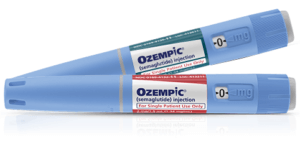
Prescription treatments for type 2 diabetes, including featured products such as Mounjaro and Ozempic, always require a valid prescription from a licensed healthcare provider. IsraelPharm is a licensed pharmacy platform that can help patients access approved treatment options when prescribed. Availability can vary by product, strength, and destination, and access should always be guided by a dcotor’s assessment of diabetes control, weight goals, safety history, and other medications. Tirzepatide is one option within a broader treatment landscape and should be considered as part of individualized care rather than as the only approach.
More information on treatment options for type 2 diabetes from our library
- Mounjaro for type 2 diabetes treatment and weight-related metabolic control
- Ozempic for blood sugar management in adults with type 2 diabetes
- Metformin as a first-line option for newly diagnosed type 2 diabetes
- Jardiance for type 2 diabetes with added cardiometabolic considerations
- Trulicity as a once-weekly injectable alternative in GLP-1-based care
How tirzepatide compares with other medication options
| Description | Pros | Cons | Typical use |
|---|---|---|---|
Tirzepatide – Mounjaro, Zepbound
|
|
|
|
Semaglutide – Ozempic, Wegovy
|
|
|
|
Dulaglutide – Trulicity
|
|
|
|
SGLT2 inhibitors – Glyxambi, Synjardy, Jardiance, Farxiga, Xigdou XR
|
|
|
|
Metformin
|
|
|
|
Safety points to keep in mind
- Tirzepatide and other GLP-1-based therapies commonly cause gastrointestinal side effects, especially nausea, vomiting, and constipation.
- Rapid improvement in glucose levels is helpful, but monitoring remains important to avoid overtreatment or confusion about targets.
Frequently asked questions about tirzepatide
Does early use of tirzepatide work better than waiting until type 2 diabetes gets worse?
Yes, the current SURPASS-EARLY findings suggest that early use of tirzepatide may produce stronger results than waiting until type 2 diabetes becomes harder to control. In the study, people treated within four years of diagnosis had larger reductions in A1C and body weight than those receiving intensified conventional care. That matters because earlier control of glucose and weight may reduce the metabolic stress that drives future complications. Still, the study is not yet the final word on whether those early gains will definitely translate into fewer long-term heart, kidney, or nerve complications over many years.
How does early use of tirzepatide improve glycemic control?
Early use of tirzepatide improves glycemic control by helping the body manage glucose more effectively after meals and across the day. It supports insulin release when needed, reduces some of the hormonal signals that raise blood sugar, and often slows stomach emptying enough to blunt post-meal spikes. It also tends to reduce appetite and body weight, which can make insulin resistance less severe. In SURPASS-EARLY, these effects translated into lower HbA1C values and a much higher proportion of patients reaching standard glucose targets than with intensified conventional care alone.
Is Mounjaro safe for people who are worried about cardiovascular disease?
Mounjaro may be a reasonable option for some people who are worried about cardiovascular disease, but the answer depends on the person’s overall risk profile and treatment goals. In the SURPASS-EARLY data, tirzepatide improved several cardiovascular risk markers, including systolic blood pressure, triglycerides, and some cholesterol measures. Doctors still need to look at baseline heart disease, other medications, kidney function, tolerance, and cost before deciding whether tirzepatide is the best fit.
When should early use of tirzepatide be considered after starting metformin?
Early use of tirzepatide should usually be considered when metformin and lifestyle measures are not enough to get blood sugar, weight, or overall metabolic risk under control. In the study, patients had type 2 diabetes for four years or less and remained inadequately controlled on metformin, with A1C levels above target. That makes the timing question fairly practical: clinicians may think about stepping up treatment sooner rather than waiting for several years of worsening control. The right timing still depends on symptoms, weight goals, side-effect tolerance, comorbidities, access, and whether other options such as SGLT2 inhibitors are more suitable.
Is Ozempic a reasonable alternative if Mounjaro is unavailable or too expensive?
Yes, Ozempic can be a reasonable alternative when Mounjaro is unavailable, not tolerated, or too expensive. Ozempic contains semaglutide, which is also an effective injectable therapy for type 2 diabetes and is well known for improving A1C and supporting weight loss. It does not mean the two products are identical, because tirzepatide often shows especially strong effects on both glucose and weight. Even so, semaglutide remains a very relevant option in real-world care. The decision between them usually comes down to clinical goals, and how well the patient tolerates treatment.
Does early use of tirzepatide mean prediabetes should be treated more aggressively?
Early use of tirzepatide does not automatically mean every person with prediabetes should start medication, but it does strengthen the argument for taking early dysglycemia more seriously. The broader point is that abnormal glucose biology often starts before full type 2 diabetes is diagnosed, and earlier action may prevent later damage. That action may include weight management, dietary changes, exercise, and, in selected patients, earlier medication-based intervention rather than delay.
Glossary
A1C: A blood test that estimates average glucose levels over roughly the previous two to three months.
Atherosclerotic cardiovascular disease: Heart and blood vessel disease caused by plaque buildup in arteries, raising the risk of heart attack or stroke.
Body mass index: A screening measure that relates weight to height and is commonly used to estimate body size.
Cardiometabolic: Relating to the connected effects of metabolism, blood sugar, blood pressure, cholesterol, and heart health.
Cardiovascular disease: A broad term for disorders affecting the heart and blood vessels.
C-peptide: A substance released when the body makes insulin, often used to assess insulin production.
Cholesterol: A waxy blood fat that the body needs in small amounts but can become harmful when levels are abnormal.
Dulaglutide: A once-weekly GLP-1 receptor agonist used to improve blood sugar control in type 2 diabetes.
Dysglycemia: Any abnormality in blood glucose regulation, ranging from mildly elevated values to diabetes.
Efficacy estimand: A trial analysis approach estimating treatment effect under a defined idealized scenario of continued therapy.
Empagliflozin: An oral SGLT2 inhibitor used in type 2 diabetes to lower blood sugar through the kidneys.
Fasting glucose: Blood sugar measured after not eating, often used to screen for diabetes or prediabetes.
GLP-1 receptor agonists: A class of drugs that mimic gut hormone activity to improve glucose control and often support weight loss.
Glycemic control: The overall management of blood glucose levels toward agreed treatment targets.
Gastrointestinal: Relating to the stomach and intestines.
HbA1C: Another name for A1C, reflecting the amount of glucose attached to hemoglobin in red blood cells.
HDL cholesterol: Often called good cholesterol because higher levels are generally linked with lower cardiovascular risk.
Insulin resistance: A state in which the body responds less effectively to insulin, making blood sugar harder to control.
LDL cholesterol: Often called bad cholesterol because higher levels are associated with plaque buildup in arteries.
Eli Lilly: The pharmaceutical company associated with the SURPASS-EARLY tirzepatide study results discussed here.
Metformin: A widely used first-line oral diabetes medicine that lowers glucose mainly by improving insulin sensitivity and liver glucose control.
Prediabetes: A state in which glucose levels are above normal but not yet high enough for a formal diabetes diagnosis.
Proinsulin: A precursor molecule that the body converts into insulin.
SGLT2 inhibitors: A class of diabetes drugs that lower blood sugar by increasing glucose excretion in the urine.
Semaglutide: A GLP-1 receptor agonist used to improve blood sugar control and support weight reduction in some patients.
SURPASS-EARLY: A clinical trial studying tirzepatide started early in the course of type 2 diabetes.
Systolic blood pressure: The top blood pressure number, showing pressure in the arteries when the heart contracts.
Treatment regimen estimand: A trial analysis that estimates effect regardless of treatment discontinuation or rescue medication use.
Triglycerides: A type of blood fat that can contribute to cardiometabolic risk when levels are elevated.
Type 2 diabetes: A chronic condition in which the body does not use insulin properly and blood sugar levels rise.
VLDL cholesterol: A lipoprotein that carries triglycerides in the blood and is associated with metabolic risk.