U.S. drug prices have reached a point where the cost alone can decide whether a person gets the treatment they need. It’s gotten so bad that nearly a third of all prescriptions written in the US go unfilled. Not because people don’t want the medication, but because they simply can’t afford it. This hits hardest for anyone managing a long-term or chronic condition, where skipping meds isn’t a choice.
Insurance isn’t easing the load either. More plans are shifting the cost back onto patients with higher co-pays, tighter rules, and gaps that leave people paying out-of-pocket more often than not. The result is a system that keeps raising the financial burden on patients and then expects them to absorb the cost.
Enter the online pharmacy
People are used to ordering everyday items online. Platforms like Amazon and eBay made it normal, and big retailers like Target and Walmart followed with their own digital storefronts. Then came the wave of overseas sites offering cheaper versions of almost anything you could think of.
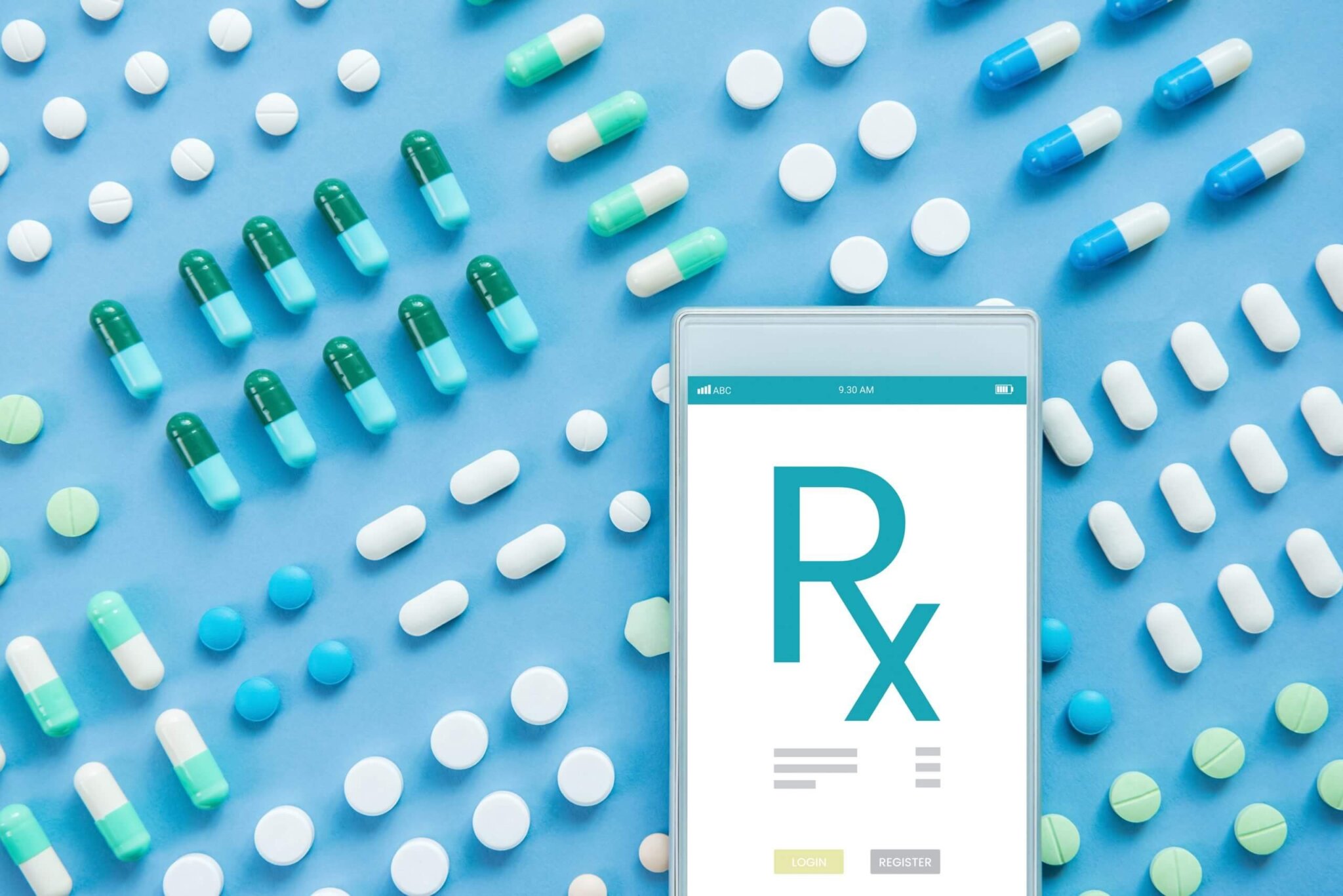
That same shift has reached prescription drugs. Over the past decade, online access to medication has exploded. Now you can order your prescriptions from the comfort of your couch. Your pharmacy is available on your phone screen. Because most medications come in standardized packaging, the experience isn’t far off from buying socks on Target’s website. You click, you check out, and your order ships from an online pharmacy that could be down the street or halfway around the world.
The move away from retail pharmacies is becoming the norm
It’s a bit of a chicken-and-egg situation, but one thing is obvious. Retail pharmacy access in the U.S. is shrinking, especially in rural and suburban areas. Earlier this year, we wrote about the rise of “pharmacy deserts”, places where getting to a pharmacy is either difficult or impossible.
Part of the story is simple math. Running a retail pharmacy is expensive, and the profit margins are tight. In low-traffic areas, many stores just can’t afford to stay open. The other side of the story is consumer behavior. People don’t want to drive long distances for a small prescription pickup when they can tap a website and have the same medication delivered to their door. Convenience wins, and foot traffic drops. With fewer customers walking in, more pharmacies are closing.
Cause and effect can be debated, but the reality cannot. As brick-and-mortar pharmacies disappear, demand for online pharmacy services has skyrocketed.
The advantages of overseas online pharmacies over US retailers
What’s wrong with the U.S. retail drug market
US pharmacies operate inside a tightly managed market, where insurers, and more directly Pharmaceutical Benefit Managers, steer the way drugs are supplied in order to control their own costs and boost their profits, at the expense of both the retailer and the customer.
The most significant disadvantages faced by U.S. customers are:
High U.S. drug prices
Newly released and branded drugs cost U.S. consumers about three times as much as the same product in other developed (OECD) countries. Even generic versions that become available once a drug’s patent expires sell at around double the price of the same cheaper form in the rest of the world. The main reasons for the differences are:
- Retail drug prices in the U.S. are uncontrolled. The federal Food and Drug Administration only sets standards for quality and safety, and pricing is completely market-driven.
- There is very little competition, due to the domination of a few very large retail corporations, who set prices that the rest of the market has to follow
- Insurers have been accused (see our blog on the PBM scandal) of using their power to negotiate rebates with drug manufacturers but not passing these on to customers, thereby inflating their own earnings
Shortages
Ever since the disruptions caused by the COVID-19 pandemic, supply chains have become highly susceptible to damage, resulting in long periods when drugs are simply unavailable for resale. In some cases, doctors had to substitute less adequate essential drugs simply because the desired medication was out of stock.
Bureaucracy
Insurers are setting rules to minimize their own costs, not maximize consumer benefits. They are also limiting the choices that doctors can make, by only authorizing cheaper generic drugs, or by setting very high co-pay margins on more expensive drugs, leaving consumers with large out-of-pocket costs.
How other countries get it right
Most advanced countries in the Western world regulate retail drug prices aggressively, as part of their universal health care coverage. In the U.S., healthcare is a profit-driven sector of the economy. In contrast, in most of the world, healthcare is bundled into government services and runs under tight government budgetary constraints. As a result, government agencies in the rest of the world have to keep a grip on the cost of all healthcare services, and capping retail drug prices is very much a part of this.
One typical example is Australia. The official body responsible for licensing new drugs is the Pharmaceutical Benefits Advisory Committee. Before it will allow any drug to be sold by a licensed pharmacy, it requires evidence that it is either substantially cheaper than the existing drugs or is a more effective treatment. In comparison, the FDA in the U.S. will authorise any drug at any price, as long as it is proven in clinical trials to be safe and effective.
How to tell whether an online drug store is a professional outlet, or a fly-by-night rip-off
This is the big question. Buying clothes or gadgets online is one thing. If a shirt shows up in the wrong color, no one’s life is on the line. Medications are different. Getting the wrong drug, or a counterfeit that only looks legitimate, can put someone in real danger. That’s why trust and safety matter more in online pharmacies than in almost any other corner of e-commerce.
In the U.S., checking a pharmacy’s legitimacy is straightforward. Every state licenses pharmacies and sets strict rules for how they must operate. That includes everything from storage standards to who is allowed to handle and dispense medications. Licensed pharmacists must be trained, certified, and regularly inspected. Real oversight. Real accountability. Real Safety.
The same idea applies online. The first test of any online pharmacy is simple. Is it accredited? Does it use qualified pharmacists to dispense prescriptions? Does it offer real customer service with real people behind it? You should be able to see who runs the pharmacy, where it operates, and what safeguards are in place. Transparency builds trust, and trust is non-negotiable when your health is involved.
Outside the U.S., some countries have strong, well-regulated systems of their own. Canada, the UK, and Israel have become leaders in the online pharmacy space because they offer clear oversight, professional pharmacists, transparent pricing, and customer support that actually picks up the phone. Patients want reliability, and these countries consistently deliver it.
The following few paragraphs explain why these regions stand out and why so many Americans turn to them for safe, affordable medication.
Where are the most popular overseas online pharmacies
Canada leads the pack of online pharmacy sources. Apart from the geographic and cultural advantages that it has, there are a few other significant advantages that Canadian online pharmacies have enjoyed:
- The Patented Medicine Prices Review Board (PMPRB) is a government agency that ensures that patented drug prices are “not excessive.”
- Canada has universal health coverage for all Canadian citizens, versus commercial (for profit) U.S. health insurance. There are controls on pricing and eligibility for both brand and generic medications.
- Most of the popular brand drugs that sell in the U.S. are also marketed in Canada.
One unknown right now is the effect the “tariff wars” will have on actual consumer costs. It’s still too early to assess the impact of the new tariffs, but Canada has so far been a special case, and tariffs as high as 50% have been threatened.
European Union member countries all operate with very similar and highly subsidized healthcare models, which means that pharmacies in these countries can only sell drugs at controlled prices. There aren’t many online pharmacies in Europe servicing U.S. consumers, mainly because of language differences, and the legal barriers that have been set up preventing the export of pharmaceuticals to non-EU-member countries.
Israel has what has been widely acknowledged as having one of the best national healthcare structures in the world, and pharmaceutical prices are strictly regulated. The Israeli Health Ministry approves all the medications that pharmacies sell. There are extremely stringent regulations and enforcement of the Good Manufacturing Practices (GMP). All branded and generic medications are regulated and approved, and most are certified by the FDA, the European Medicines Agency (EMA), or the Australian Therapeutic Goods Administration (TGA) as well.
The United Kingdom has a universal healthcare service that is similar to Canada and the EU, but until now, the main marketing push of online pharmacies has been to service domestic customers. Another aspect that differentiates these pharmacies is the degree that drugs sold in the UK are usually designed and manufactured inside the country, and have different names, styles and characteristics. There may not be direct equivalence between the drug as prescribed by a U.S. doctor and the version that is sold by a UK pharmacy.
India has emerged as a major source of some generic drugs, which are now being manufactured there in high volumes. The market is still relatively young and has not yet reached the level of control and oversight that many of the more advanced Western nations impose on their own online enterprises. Also, the range of drugs sold is limited to locally manufactured generics, so the bottom line when buying from these sources is to proceed with care.
Logistics can matter more than price
Prescription medications aren’t like buying a new sweater or a kitchen gadget. People don’t choose them because they’re fun or fashionable. They need them to stay healthy. That changes everything when you’re ordering from a remote pharmacy. The right drug has to be in stock, handled correctly, and show up when promised. Patients can’t pause an essential medication while a delayed package wanders around a mail hub. “On time” isn’t a nice-to-have. It’s the necessary standard.
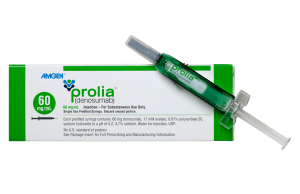
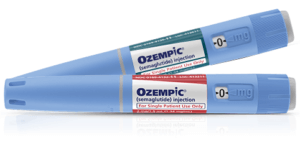
This is even more important with the wave of new, complex medications hitting the market. Self-injectable treatments for diabetes, weight loss, and bone health, like Ozempic, Mounjaro, Wegovy, Zepbound, Prolia, and Evenity, come with strict storage and shipping requirements. These aren’t products you can toss in a regular mailbag or leave at a pickup locker. They need temperature control, careful handling, and fast, reliable delivery from trained professionals.
Any online pharmacy offering these medications needs more than a shopping cart and a warehouse. They need proper storage, dedicated logistics, and a delivery system built for medical products, not miscellaneous parcels. That’s the level of service patients should expect when their health depends on what arrives at the door.
“The price is right”, but are the drugs right?
The price of a prescription drug shouldn’t be the only, or even the main, consideration when purchasing from an online source. Counterfeiting is a major problem, making the product’s source a top priority. Sometimes, sub-standard drugs are packaged and labeled to look exactly the same as the original, and the only way to guard against receiving ineffective or even dangerous drugs is to pay attention to how much the same drug costs on other platforms. “Too good to be true” should be a red flag.
Professional pharmacies provide support
A pharmacy website shouldn’t be just a point of sale. Proper information about the products being sold, including full descriptions in English, explanations of proper dosing and storage, and warnings about side effects, should be available to the customer before they decide to buy. Also, a website that offers direct support via a live communication channel, allowing a person to ask for more information or advice from qualified, experienced pharmacists, is a positive sign that the online pharmacy is legitimate.
For U.S. customers, the natural language for all communications should be English, with products accompanied by full patient information leaflets and clear English documentation to reduce the risk of dosing errors and improve adherence to prescribed treatment routines. At IsraelPharm, English is our “native” language for internal and customer communication.
Legal and practical questions for U.S. customers
Although under the Federal Food, Drug, and Cosmetic Act, it is “in most circumstances” illegal for individuals to import prescription drugs into the U.S., medicines bought from a foreign online pharmacy can be allowed through customs, as set out in the FDA’s Personal Importation Policy (PIP), that allows private drug importation to go ahead. PIP provides discretion for cases where it’s for personal, non-commercial use. This open the window for importation of a 90-day supply of prescription drugs, as long as the import does not pose an unreasonable health risk, and the order is backed up by a doctor’s prescription.
Working with established online pharmacies that have been operating in this area is a way of reducing the risk that customers unknowingly receive non-approved or substandard products.
The real value of buying medications from IsraelPharm.
The table below shows how much patients can save when comparing widely prescribed chronic care medications to the prices offered on IsraelPharm.
| Product | Strength | Use | US Price | Our Price | Saving % | |
| Retail | Coupon/ discount |
|||||
| Trintellix | 20mg | Major depressive disorder | $20.68 | $14.27 | $5.93 | 71% |
| Vagifem | 10mcg | Hormone replacement & UTI | $25.50 | $23.88 | $3.25 | 87% |
| Farxiga | 10mg | Diabetes | $23.20 | $9.60 | $2.30 | 90% |
| Plaquenil | 200mg | Rheumatoid arthritis | $16.45 | $14.10 | $0.75 | 95% |
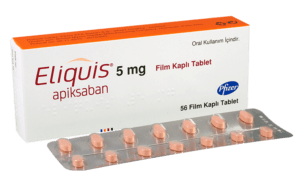
| Eliquis | 5mg | Blood thinner | $13.27 | $10.50 | $2.30 | 83% |
| Jardiance | 25mg | Diabetes, heart failure | $25.20 | $21.78 | $3.50 | 86% |
| Myrbetriq | 25mg | Overactive bladder | $18.33 | $13.49 | $4.10 | 77% |
| Xeljanz | 5mg | Arthritis, ulcerative colitis, psoriasis or alopecia | $200.85 | $99.10 | $9.15 | 95% |
| Mounjaro | 15mg | Diabetes, weight loss | $1290.00 | $995.00 | $925.00 | 28% |
U.S. prices are based on information retrieved from GoodRx. Their website collects up-to-date discount and coupon offers from all the major online pharmacies (including Walgreens, CVS, Kroger, and Walmart, as well as specialized sources). The retail prices are the standard manufacturers’ list prices. The prices in the coupon/discount column are the “best deal” offerings on the specific day we collected this information, and can vary widely depending on when the website is queried.
All prices are for original brands, per tablet for oral medications or per syringe/vial/pen for self-injectables. Prices correct as of December 10, 2025.
IsraelPharm is an established online prescription delivery service operating within Israel’s highly controlled healthcare system. Supervision of our operations by qualified and experienced pharmacists is guaranteed, and only approved medication can be supplied. U.S. customers benefit from the tight controls local authorities have placed on drug prices, allowing them to buy at the same prices as customers in this country.