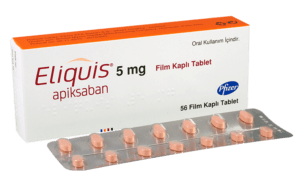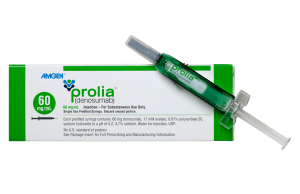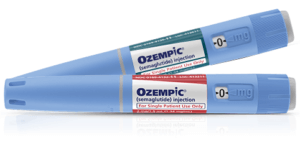
 Off-label prescribing is the practice of using a medicine for a purpose, patient group, dose, or form that the US Food and Drug Administration (FDA) has not formally approved. It is legal, widely accepted in everyday medical practice, and accounts for roughly one in five prescriptions written in the United States. Far from being a fringe activity, off-label prescribing is a routine tool that physicians use when the best available evidence supports a treatment that falls outside the original approved use of a drug. The focus here – approved use – is the reference point against which every off-label decision is measured.
What “approved use” actually means
When the FDA approves a medicine, it does so for a defined indication, in a defined patient population, at a defined dose and dose form. That defined package is the approved use, and it is what appears on the official drug label and the package insert. Anything outside that package – a different health condition, a different dose, a different age group, or a different formulation – is considered off-label.
The FDA regulates which medicines reach the market and how manufacturers may promote them. It does not, however, regulate the practice of medicine itself. Once a drug is approved and on the market, a licensed physician may prescribe it for any purpose they believe is in the patient’s best interest, based on sound clinical reasoning and the available evidence.
How common is off-label prescribing?
Off-label prescribing is far more common than most patients realize. Published estimates and clinical reviews give a consistent picture:
- Around 21% of prescriptions for commonly used FDA-approved medications are written for an off-label purpose.
- In hospitalized children, nearly 79% receive at least one off-label medicine during their stay.
- In adult intensive care units, off-label use accounts for roughly 36% of medication orders.
- In specialty headache practice, off-label prescribing reaches around 47% of all prescriptions written.
- Off-label use is especially prevalent in psychiatry, pediatrics, oncology, and obstetrics – fields where patients are often excluded from clinical trials.
The rules are clear: where formal approval is limited, a healthcare practitioner’s judgment and accumulated experience fill any gap.
 Why physicians prescribe outside the approved use
Off-label prescribing is driven by clinical realities rather than by experimentation. Several reasons explain the practice:
- Excluded patient populations. Children, pregnant women, and the elderly are frequently left out of trials, leaving physicians without an approved option even when the drug is well understood in adults.
- Class effects. When one drug in a class is FDA-approved for a condition, others in the same class are often used for the same indication without separate approval.
- Overlapping disease mechanisms. Conditions that share biological pathways, such as several psychiatric disorders, indicate the possible suitability of a drug approved for one to treat the other.
- Limited approved treatment options. For some conditions, the approved treatment options are few or have failed, and an off-label choice with supporting evidence becomes the next reasonable step.
- Commercial economics. A drug owner may decide that the cost of seeking a new FDA-approved indication is not justified by expected sales, especially for older or generic medicines, even when evidence of efficacy is strong.
Patients should never assume that off-label means unproven. In many cases, the supporting evidence is substantial. Physician oversight is therefore essential, and patients are encouraged to ask their doctor about the rationale, the evidence, and the expected benefits and risks of any off-label treatment.
What are the most frequently prescribed off-label medications
| Brand (generic) | FDA approved for | Off-label use | Available as |
| Neurontin (gabapentin) | Epilepsy – anticonvulsant
Neuropathy – chronic nerve pain associated with conditions like shingles |
Anxiety
Restless leg syndrome Hot flashes |
Brand + generic (Gabapentin) |
| Elavil (amitriptyline) | Major Depressive Disorder – antidepressant | Chronic pain management
Migraine prevention Insomnia |
Brand + generic (Elatrol, Elatrolet, Laroxyl) |
| Seroquel (quetiapine) | Schizophrenia/Bipolar Disorder – antidepressant | Insomnia
Delirium |
Brand |
| Wellbutrin XL & Wellbutrin SR (bupropion) | Major Depressive Disorder/Seasonal Affective Disorder – antidepressant | Bipolar disorder | Brand |
| Inderal (propranolol) | HighBlood Pressure and Cardiomyopathy – beta-blocker | Performance anxiety
PTSD-related tremors Migraines |
Brand & generic (Deralin, Prolol, Slow Deralin) |
| Aldactone (spironolactone) | HighBlood Pressure and Cardiomyopathy – diuretic | Adult female acne
Female pattern hair loss Hirsutism |
Brand & generic (Spironolactone) |
| Metformin | Diabetes – improves insulin sensitivity | Polycystic Ovary Syndrome (PCOS)
Weight loss Menopause |
Brand & generic (Glucomin, Glucophage, Metformin, Glumetza) |
| Ozempic / Mounjaro | Diabetes – increases GLP-1 | Weight loss | Brand |
| Colcrys (colchicine) | Gout | Recurrent pericarditis
Behçet’s syndrome |
Brand & generic (colchicine) |
Other common off-label prescriptions include:
- Aspirin: approved for pain, fever, and certain cardiovascular indications; used off-label, with strong supporting evidence, for coronary disease prevention in selected high-risk diabetic patients.
- Selective serotonin reuptake inhibitors (SSRIs): approved for depression and several anxiety disorders; used off-label for premature ejaculation, hot flashes, and fibromyalgia.
- Morphine in children: never received a pediatric pain indication, but used routinely for pediatric pain control in hospitals.
- Indomethacin in newborns: never approved for closing a patent ductus arteriosus, yet remains a standard medical therapy for the condition.
This list is illustrative, not exhaustive. Every medical specialty maintains its own catalog of accepted off-label practices.
Evidence, regulation, and accountability
Off-label prescribing sits inside a regulatory framework that distinguishes carefully between research and practice. Several points are worth understanding clearly:
- The FDA does not prohibit off-label prescribing. It regulates approval and labeling, not the day-to-day practice of medicine.
- Pharmaceutical manufacturers are not permitted to promote a drug for an off-label use. Several major settlements — including multi-billion-dollar penalties involving paroxetine, olanzapine, and valproic acid — have followed breaches of this rule.
- Manufacturers may, however, respond to unsolicited questions from clinicians and may distribute peer-reviewed journal articles describing off-label uses, within strict guidelines set out in 2009.
- Accredited continuing medical education programs are allowed to discuss off-label uses where the content is based on evidence accepted within the medical profession.
- Indexed medical journals routinely publish original research, reviews, and adverse-effect reports on off-label uses, helping shape the evidence base over time.
For physicians, the prevailing legal standard is that off-label prescribing is acceptable when it is in good faith, in the patient’s best interest, supported by reasonable evidence, and consistent with how peers in the field practice. Patients should always consult a qualified healthcare provider for diagnosis, treatment decisions, and any changes to existing therapy.
Off-label versus orphan drug use
It is worth distinguishing off-label use from orphan drug use, since the two are easily confused. Orphan drugs are medicines developed for rare diseases — conditions that affect too few patients to make the development cost attractive without special incentives. Because rare conditions often lack approved therapies, treatment frequently relies on off-label use of existing drugs. The 1983 Orphan Drug Act introduced tax credits, marketing exclusivity, and reduced application fees to encourage the formal development of orphan therapies, and this has produced a steady stream of newly approved orphan drugs. Even so, much of orphan disease care continues to depend on off-label prescribing.
The role of a knowledgeable pharmacy
Patients who are prescribed medicines for off-label indications often have practical questions about what they are taking and where to obtain it reliably. The medicine itself is the same FDA-approved product the manufacturer has placed on the market — the prescription simply reflects a use outside the original approved use. IsraelPharm is a licensed international pharmacy with deep product knowledge across the medications discussed above, including the branded versions of gabapentin, amitriptyline, quetiapine, propranolol, spironolactone, metformin, and many others. Every order is dispensed against a valid prescription issued by the patient’s own physician, and the prescribed product is supplied as the exact branded medication, not a substitute. For patients on long-term therapy, and many off-label uses involve chronic dosing,- continuity of supply and access to the specific brand prescribed are practical advantages worth considering. Physician oversight remains unchanged: IsraelPharm dispenses what has been prescribed.
How to access medications prescribed for off-label use through IsraelPharm
Patients holding a valid prescription for any of the commonly used medications discussed in this article, whether for an approved or an off-label indication, can source their medicine through IsraelPharm with confidence. The pharmacy stocks branded products that can be difficult to obtain consistently through US retail channels, supplies the exact branded medication prescribed rather than a generic substitute, and supports the continuity of supply that long-term off-label therapy often requires.
IsraelPharm operates as a fully licensed pharmacy. A valid prescription from a licensed physician is required before dispensing and shipment, and patient records are handled with HIPAA-aligned safeguards. Pricing is transparent, with no hidden fees, and orders are delivered directly to the patient’s home.
To begin, patients can visit the IsraelPharm website, search for the specific medication prescribed, and follow the prescription upload process. The medical and pharmacy teams handle the rest, including verification of the prescribing physician and dispatch of the product.
Further reading
- Ten Common Questions (and Their Answers) About Off-label Drug Use: Mayo Clinic Proceedings
- Understanding Unapproved Use of Approved Drugs “Off Label”: FDA
- Off-Label Use of Prescription Drugs: Congressional Research Service
- Off-label Prescribing Among Office-Based Physicians: JAMA Internal Medicine
- Understanding off-label prescribing: IsraelPharm blog
Frequently asked questions about approved use and off-label prescribing
What is the difference between approved use and off-label prescribing?
Approved use refers to the specific indication, patient group, dose, and form that the FDA has cleared for a medicine.
- Off-label prescribing means using an FDA-approved medication outside that defined approved use.
- The drug itself is identical; only the purpose, dose, age group, or form differs.
- Off-label prescribing is legal in the United States and is governed by physician judgement.
- Roughly 21% of all prescriptions written are for an off-label indication.
- Common examples include gabapentin for anxiety and amitriptyline for migraine prevention.
Is off-label prescribing of an FDA-approved medication safe?
Off-label prescribing can be safe when supported by sound evidence and overseen by a qualified physician.
- Safety depends on the strength of the evidence behind the off-label use.
- Some off-label uses are first-line therapy with substantial supporting data.
- Others have weaker evidence and require closer monitoring.
- Patients should ask their physician about benefits, risks, and alternatives.
- Reporting side effects promptly helps the physician adjust the plan if needed.
Why do doctors prescribe drugs for a different health condition than the approved use?
Doctors prescribe for a different health condition when the available evidence and patient need support it.
- Some conditions share biological mechanisms with the approved indication.
- Class effects mean similar drugs often work for similar problems.
- Some patient groups, such as children, are rarely included in trials.
- Standard treatments may have failed or caused intolerable side effects.
- Manufacturers may not pursue new approvals for commercial reasons.
Can pharmaceutical companies promote off-label uses of an FDA-approved medication?
No, pharmaceutical companies cannot promote off-label uses of an FDA-approved medication.
- FDA rules prohibit advertising or marketing a drug for any indication outside its approved use.
- Manufacturers may respond to unsolicited questions from clinicians.
- They may distribute peer-reviewed journal articles under defined conditions.
- Breaches have led to multi-billion-dollar legal settlements.
- Physicians remain free to prescribe off-label based on independent clinical judgement.
How can patients source a medication prescribed for off-label use?
Patients can source a medication prescribed for off-label use the same way as any other FDA-approved medication.
- A valid prescription from a licensed physician is required.
- Local pharmacies, mail-order services, and licensed international pharmacies are all options.
- IsraelPharm dispenses the exact branded product prescribed, not a substitute.
- Orders are delivered to the patient’s home with no clinic visit required.
- Continuity of supply is supported for long-term off-label treatment courses.
Glossary
Approved use The specific indication, patient group, dose, and dose form for which the FDA has formally authorised a medicine to be marketed.
Class effect The tendency of medicines within the same drug class to share similar therapeutic actions and clinical uses.
Indication The medical condition or symptom that a medicine is approved or used to treat in a defined patient group.
Indications for use The official list of conditions or circumstances for which a regulator has cleared a medicine to be prescribed and marketed.
Neuropathic pain Pain caused by damage to or disease of the nerves, often described as burning, shooting, or tingling sensations.
Off-label prescribing: Use of an FDA-approved medication for a different health condition, a different dose, or a different patient group than approved.
Orphan drug A medicine developed specifically to treat a rare disease, supported by incentives created under the 1983 Orphan Drug Act.
Patent ductus arteriosus A heart condition in newborns where a blood vessel that should close after birth remains open and requires treatment.
Selective serotonin reuptake inhibitor (SSRI): A class of antidepressant medicines that increases serotonin signaling in the brain by blocking its reuptake.