 It feels like one of life’s little ironies. As we get older, we might finally have more time for rest, yet deep, restorative sleep can become harder to find. Many of us notice these shifts – waking more often during the night or feeling less refreshed in the morning. It turns out that these changes in our sleeping patterns may be more than just a nuisance; they could have a lasting impact on our brain health as we age, influencing brain aging and increasing the risk for conditions like dementia and Alzheimer’s disease.
What is the link between sleep and brain aging?
Recent research is shedding more light on the connection between how we sleep and how our brain ages. A study from the University of Arizona highlighted several common sleep behaviors that are linked to signs of brain aging in healthy middle-aged and older adults. These findings are particularly significant as we move through Alzheimer’s and Brain Awareness Month, a time to focus on proactive steps for cognitive well-being.
The study analyzed brain scans and health questionnaires from thousands of participants. Researchers found a clear association between certain sleep habits and a higher volume of white matter lesions. These lesions are small areas of damage in the brain that can accumulate over time and are associated with a greater risk of stroke and dementia. Understanding this link is a critical step in preserving long-term brain health.
Key sleeping patterns that impact brain health
The study identified three specific sleep behaviors that stood out as having a distinct connection to this marker of brain aging. What makes these findings so powerful is that these are habits and patterns we can potentially change. The key factors identified were:
- Sleep duration: Consistently sleeping less than the recommended seven hours was linked to an increase in white matter lesions. The study suggests that getting too little sleep may be a significant factor in brain aging over time.
- Frequent daytime napping: While a short, occasional nap can be restorative, the study found that frequent napping was associated with a greater volume of lesions. The exact reasons are still being explored, but it may suggest underlying issues with nighttime sleep quality.
- Sleeplessness (insomnia): Experiencing frequent trouble falling or staying asleep, a condition often known as insomnia, was another key factor. Chronic sleeplessness can disrupt the brain’s nightly restorative processes, contributing to negative long-term effects.
Other sleep behaviors like snoring or unintentionally dozing during the day did not show a strong link after accounting for other health factors. This highlights that it is not just one aspect of sleep, but our overall sleeping patterns that contribute to our cognitive future.
The importance of melatonin in sleep patterns
Melatonin is a naturally occurring hormone produced by the pineal gland that plays a central role in regulating the body’s circadian rhythm. Studies suggest that melatonin levels often decline as people age, which may disrupt the timing and quality of sleep. This hormonal shift can make it difficult for older adults to maintain the consistent sleep-wake cycles necessary for brain health.
Evidence indicates that maintaining appropriate melatonin levels is essential for signaling to the brain that it is time to transition into sleep. When this signal is weak, individuals may experience the fragmented sleep patterns linked to cognitive decline. Supporting the body’s natural melatonin cycle can be an effective way to improve sleep onset and duration in those with age-related sleep disturbances.
Sleep as a modifiable risk factor
Perhaps the most hopeful message from this research is that sleep is a “modifiable risk factor.” This means that by taking steps to improve our sleep, we may be able to help reduce the impacts of brain aging and lower our risk for dementias like Alzheimer’s disease. Improving sleep is not a cure, but it is an empowering and accessible tool for promoting better brain health throughout our lives.
Lifestyle adjustments are the first and most important step. Creating a consistent sleep schedule, ensuring your bedroom is dark and quiet, and avoiding caffeine and screen time before bed can make a significant difference. Regular physical activity can also improve sleep quality, but for some, these changes may not be enough to overcome persistent sleep problems like insomnia or sleep apnea. Always speak with a healthcare provider about any persistent sleep issues you face. Your physician can provide guidance tailored to your specific situation and health profile.
When to consider medication for sleep support
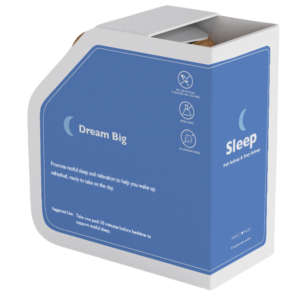
When lifestyle changes do not fully resolve sleep issues, a doctor may recommend medication to help restore healthy sleeping patterns. For those struggling with insomnia, a treatment like Silenor (doxepin) can help with sleep maintenance, allowing for a longer, more uninterrupted night’s rest. For a broader approach, some may find a combination approach like the Sleep Pack helpful, which can be discussed with a physician.
For patients whose sleep issues are related to circadian rhythm disruptions or low melatonin levels, branded options like Circadin or Slenyto may be appropriate. These medications provide a controlled release of melatonin to mimic the body’s natural secretion. It is essential to work with your doctor to determine the right approach for you. They can assess your symptoms, rule out other underlying causes, and find the most appropriate treatment. For those with a valid prescription, sourcing these medications through a licensed international pharmacy like IsraelPharm can be a reliable and straightforward option, ensuring you receive the exact brand your doctor prescribed.
Comparing sleep support options
| Treatment | How it works | Pros | Cons | Typical use |
|---|---|---|---|---|
| Silenor (doxepin) | A tricyclic antidepressant used at low doses to block histamine receptors, which helps maintain sleep. | Not associated with dependency like some other sleep aids; helps with staying asleep. | Can cause drowsiness the next day; may interact with other medications. | Prescribed for individuals who have trouble staying asleep (sleep maintenance insomnia). |
| Circadin | A prolonged-release melatonin formulation that mimics the body’s natural hormone release. | Helps improve sleep quality and morning alertness in adults over 55. | May cause headaches or dizziness in some users. | Used for the short-term treatment of primary insomnia characterized by poor sleep quality. |
| Slenyto | A prolonged-release melatonin designed for children and adolescents. | Prolonged release promotes longer, more restful sleep. | Requires strict medical supervision for off-label use. | FDA-approved for children, can be prescribed off-label for adults who have sleep issues. |
| Sleep Pack | A combination of natural products that may provide different mechanisms to aid sleep onset and duration. | Offers a multi-faceted approach to address different aspects of sleep problems. | Combination may increase risk of side effects; seek medical supervision. | Used for more general sleep disturbances. Consult a doctor if other medications are taken at the same time. |
How to access support for healthy sleeping patterns through IsraelPharm
Prioritizing your sleep is a direct investment in your long-term brain health. If you and your doctor have decided that a prescription medication is the right step, it is important to have a reliable source for your treatment. IsraelPharm provides a clear path for accessing medications prescribed to improve your sleeping patterns.
As a licensed international pharmacy, IsraelPharm offers access to brand-name medications like Silenor, Circadin, and Slenyto that your physician has prescribed. These products are often priced 40-80% lower than US retail prices, providing meaningful savings for long-term courses. The process is built on legitimacy and safety, ensuring that every prescription is dispensed by a licensed pharmacist. Furthermore, medications are delivered directly to your home, offering a convenient way to manage your treatment without the need for frequent pharmacy visits.
You can explore the options available by visiting the product pages and speaking with your doctor about what is best for your health needs. A valid prescription from a licensed physician is required for all prescription medications. IsraelPharm is a licensed international pharmacy that ensures you receive the exact medication prescribed by your doctor.
Important safety information about sleep medications
Sleep medications carry general risks including potential allergic reactions, dizziness, and interactions with other substances like alcohol. Some treatments may cause impaired coordination or cognitive effects if not taken exactly as directed by a healthcare professional. Please refer to the dedicated side effects section for specific details regarding each medication.
Further reading
-
- Melatonin: What You Need To Know: National Institutes of Health (NIH)
- Sleep health linked to brain aging : University of Arizona
- Sleep and Brain Health: Alzheimer’s Association
- Doxepin: MedlinePlus
- Poor Sleep May Age the Brain Faster: IsraelPharm blogs
- Sleep Health Matters: IsraelPharm blogs
Frequently asked questions about sleeping patterns and brain health
What is the link between sleeping patterns and dementia?
Poor sleeping patterns are linked to a higher risk of dementia and Alzheimer’s disease. Scientific studies show habits like sleeping too little, frequent napping, and insomnia are associated with more white matter lesions in the brain. These lesions are markers of brain aging and damage. Quality sleep allows the brain to perform vital housekeeping functions, like clearing out toxins that can contribute to cognitive decline. Chronic poor sleep disrupts these processes, potentially accelerating brain aging.
How does Silenor help with sleep?
Silenor helps people who struggle with staying asleep through the night. It works differently from many other sleep aids. At a low dose, Silenor targets and blocks histamine receptors in the brain. This action helps to reduce wakefulness without causing the feelings of dependency associated with some other sleep medications. By improving sleep maintenance, Silenor allows for a more continuous, restorative night of rest, which is crucial for healthy sleeping patterns and overall brain health.
Is it safe to take medication for sleep?
When taken under a doctor’s supervision, prescription sleep medication is generally safe and effective. Your doctor will evaluate your health history, current medications, and the nature of your sleep problem to choose the safest option. They will also discuss potential side effects, such as next-day drowsiness. It is crucial to follow the prescribed dosage and instructions precisely. Self-medicating or using medication without a doctor’s guidance can be dangerous. Always consult a healthcare professional to ensure safety.
How should sleep medications be taken?
Sleep medications should be taken exactly as prescribed by your physician. This includes the specific dosage and timing. Typically, you should only take the medication when you can allow for a full night of sleep, usually seven to eight hours. Taking it too late or in a higher dose can cause significant drowsiness the next day. Avoid consuming alcohol with sleep medications, as it can increase sedative effects. Your doctor will provide all the necessary instructions for your specific treatment.
How can I get prescription sleep medication if my local pharmacy has supply issues?
If you have a valid prescription, a licensed international pharmacy like IsraelPharm is a reliable option. Such pharmacies can often source specific branded medications that may be hard to find locally. This provides continuity for your treatment plan. The process requires your doctor’s prescription to ensure safety and legitimacy. The medication is then delivered directly to your home, offering a convenient way to manage your treatment for maintaining healthy sleeping patterns without worrying about local stock availability.
How does melatonin influence normal sleeping patterns?
Melatonin influences sleeping patterns by signaling to the body that it is time to rest based on light and dark cycles. As a hormone produced by the pineal gland, it helps synchronize the internal clock with the external environment. When melatonin production is disrupted, sleep cycles can become irregular, leading to difficulty falling asleep or staying asleep. Increasing melatonin through prescribed aids may help restore these natural rhythms.
Does Circadin differ from over-the-counter melatonin supplements?
Circadin differs from over-the-counter melatonin because it is a regulated, prolonged-release prescription medication. Unlike standard supplements that release the entire dose at once, Circadin releases melatonin slowly over several hours to mimic the body’s natural secretion profile. This controlled delivery helps maintain sleep throughout the night rather than just assisting with sleep onset. Because it is manufactured under strict pharmaceutical standards, the dosage and purity are verified and consistent.
Can Slenyto be prescribed for adult sleep issues?
Slenyto is prescribed for pediatric sleep issues because it is specifically formulated to meet the needs of children with neurodevelopmental conditions related to Autism Spectrum Disorder (ASD). However, it is an accepted practice for specialists to prescribe Slentyo off-label for adults, particularly those with other disorders or when other sleep medications are unsuitable. Adult doses usually range from 2 mg to 10 mg (maximum 12 mg) taken 30 to 60 minutes before bedtime. For medical advice or diagnosis, consult a professional.
Can I drink alcohol while taking sleep medications?
It is best to avoid alcohol when taking any medications designed to help you fall asleep. Alcohol can interfere with the effectiveness of the medication. Combining them with alcohol can also increase drowsiness and dizziness, potentially impairing coordination and judgment. Consult your doctor for personalized advice.
Glossary
Alzheimer’s disease: A progressive neurologic disorder that causes the brain to shrink and brain cells to die, and is the most common cause of dementia.
Dementia: A general term for a decline in mental ability severe enough to interfere with daily life, which can involve memory loss and cognitive difficulties.
Insomnia: A common sleep disorder that can make it hard to fall asleep, hard to stay asleep, or cause you to wake up too early.
Melatonin: A hormone produced by the pineal gland that regulates the sleep-wake cycle and circadian rhythms.
Sleep apnea: A potentially serious sleep disorder in which breathing repeatedly stops and starts, which can disrupt restorative sleep and impact overall health.
White matter lesions: Small areas of damage in the brain that appear on MRI scans and are linked to aging, reduced blood flow, and increased dementia risk.
Reviewed by Dr. Ari Polak, PharmD
This guide is for informational purposes only. Always follow your doctor’s instructions. Contact IsraelPharm at support@israelpharm.com or 1-866-456-3768.