 June is Alzheimer’s and Brain Awareness Month, a time to focus on a condition that affects millions of people worldwide. An estimated 7.4 million Americans aged 65 and older are living with Alzheimer’s disease, a number expected to nearly double by 2050. Despite widespread concern, many people feel unequipped with the knowledge of how to protect brain health. Understanding the factors that contribute to the cognitive decline in Alzheimer’s is the first step toward taking meaningful action, both in lifestyle choices and medical treatment.
Dementia is not an inevitable consequence of aging
One of the most persistent myths about Alzheimer’s is that it is simply a part of getting older. However, extensive research tells a different story. The 2024 Lancet Commission on Dementia Prevention, Intervention, and Care concluded that modifying certain risk factors could prevent or delay up to 45% of dementia cases. This groundbreaking finding shifts the conversation from inevitability to empowerment. It highlights that genetics are not the only factor at play. Factors like physical inactivity, cardiovascular health, and social engagement have a significant impact on long-term brain health.
Six lifestyle habits to support brain health
While there is no cure for Alzheimer’s disease, a growing body of evidence suggests that certain lifestyle habits can help protect the brain and build resilience against age-related changes. These strategies focus on reducing known risk factors and supporting the brain’s natural maintenance processes. Integrating these habits can complement a prescribed treatment plan. As always, you should discuss any significant lifestyle changes with your doctor.
Treat sleep as a health priority
- During deep sleep, the brain actively clears out toxic waste products, including some proteins associated with Alzheimer’s pathology.
- Studies show a clear link between disrupted sleep in midlife and a higher likelihood of experiencing cognitive decline later on.
- A simple, effective habit is to get natural light exposure within 30 minutes of waking, which helps regulate the body’s internal clock and can improve sleep quality.
Make daily movement a non-negotiable
- Physical inactivity is a key modifiable risk factor for dementia. Low levels of physical activity in older adults are associated with a faster buildup of tau protein, a marker of Alzheimer’s.
- Aiming for 5,000 to 7,500 steps per day can provide a meaningful protective benefit.
- A daily 30-minute walk, even broken into smaller chunks, is a great starting point. Increasing the pace to raise your heart rate further enhances the benefits for brain health.
Manage key health markers proactively
- Conditions like hypertension (high blood pressure), diabetes, and high cholesterol are significant risk factors for dementia.
- Untreated high blood pressure is one of the strongest predictors of future memory problems.
- Effectively managing these conditions with the help of a healthcare provider is a critical step in a comprehensive brain health strategy.
Protect your hearing and vision
- Untreated hearing and vision loss are surprisingly large contributors to dementia risk. In fact, the Lancet Commission identifies untreated hearing loss as the single biggest modifiable risk factor.
- The brain has to work harder to process incomplete sensory information, which can tax cognitive resources.
- Regular hearing and vision tests are essential. A study found that using hearing aids reduced cognitive decline by nearly 50% over three years in adults at risk for dementia.
Adopt a brain-healthy diet
- Diet is a consistently supported area of dementia risk research. Eating plans like the Mediterranean diet are associated with a lower risk of cognitive decline.
- The MIND diet, which focuses on foods like leafy greens, berries, nuts, and fish, has been shown to significantly reduce Alzheimer’s risk.
- A practical way to start is by reducing your intake of processed foods and increasing daily fiber from whole food sources.
Stay socially connected and keep learning

- Social isolation is another modifiable risk factor. Research shows that high levels of social activity can delay the
- onset of dementia by several years.
- Engaging in community activities, learning new skills, and maintaining regular social contact help build “cognitive reserve.”
- This reserve is a form of brain resilience that helps it withstand age-related changes and continue to function well.
The role of medication in managing Alzheimer’s disease
Lifestyle changes are a powerful tool for supporting brain health, but for individuals diagnosed with Alzheimer’s disease, medication is a crucial part of the management plan. Current treatments can help manage symptoms and, in some cases, modify the course of the disease. These medications work best as part of a comprehensive care plan overseen by a physician. It is essential that any treatment plan, including prescriptions and lifestyle changes, is developed and monitored by a qualified healthcare professional.
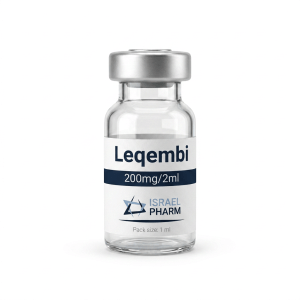
Treatments fall into different classes. Cholinesterase inhibitors, such as Reminyl (galantamine) and Exelon (rivastigmine), work by increasing levels of a neurotransmitter involved in memory and thinking. Newer therapies, like Leqembi (lecanemab), are antibody treatments that target the underlying amyloid plaques in the brain. For patients on long-term treatment, ensuring a consistent and reliable supply of these medications is vital. Registered providers like IsraelPharm are licensed international pharmacies that provide access to these specific prescribed treatments, helping patients maintain their care regimen without interruption.
Comparing treatments for cognitive decline in Alzheimer’s
| Treatment | How it works | Pros | Cons | Typical use |
|---|---|---|---|---|
| Leqembi | An antibody that targets and removes amyloid beta plaques, a key feature of Alzheimer’s pathology. | Addresses an underlying cause of the disease. | Requires intravenous (IV) infusion; risk of side effects like ARIA (amyloid-related imaging abnormalities). | Mild cognitive impairment or mild dementia stage of Alzheimer’s disease. |
| Reminyl | A cholinesterase inhibitor that boosts levels of acetylcholine, a neurotransmitter important for memory and cognition. | Oral medication; can provide symptomatic relief for a time. | Does not slow or stop the underlying disease progression. Side effects can include nausea and dizziness. | Mild to moderate stages of Alzheimer’s disease. |
| Exelon | A cholinesterase inhibitor available as an oral capsule or a transdermal patch. | Patch formulation provides steady drug delivery and may reduce some gastrointestinal side effects. | Symptomatic treatment only; does not alter the course of the disease. Skin irritation can occur with the patch. | Mild to moderate stages of Alzheimer’s and Parkinson’s disease dementia. |
When to seek an evaluation
Occasional memory lapses are a normal part of life, but it is important to recognize when changes may signal something more serious. If memory issues are new, worsening, or beginning to interfere with daily activities like managing finances or personal care, it is time to consult a doctor. Many people delay seeking help, assuming their symptoms are just a normal consequence of aging. However, early evaluation is key, as some causes of dementia are treatable. An accurate diagnosis provides access to support, treatment options, and valuable time to plan for the future.
How to access Alzheimer’s treatments through IsraelPharm
Once a treatment plan is in place, consistent access to prescribed medications like Leqembi, Reminyl, or Exelon is essential for managing the cognitive decline in Alzheimer’s. Partnering with a reliable pharmacy ensures that you can follow your doctor’s recommendations without interruption. This is especially important for a chronic condition where long-term management is key to maintaining quality of life.
IsraelPharm offers a trustworthy and accessible option for sourcing these important medications. As a licensed international pharmacy, it provides access to specific branded medications that may be prescribed by your physician. This ensures treatment continuity, which is critical for patients on a fixed dosing schedule. All medications are dispensed by licensed pharmacists, giving you confidence in the legitimacy and safety of your purchase. IsraelPharm helps patients manage their treatment over the long term by providing a straightforward way to source their prescriptions.
To get started, you can search the internet for more information about Alzheimer’s and Brain Awareness Month, especially for your geographic location. Visit the IsraelPharm website to learn more about the medications you have been prescribed and the ordering process. A valid prescription from a licensed physician is required for all prescription medications, ensuring that your care remains under the direct supervision of your doctor.
Further reading
- Alzheimer’s and Brain Awareness Month: Alzheimer’s Association
- Alzheimer’s Disease Information Page: National Institute of Neurological Disorders and Stroke
- What Is Dementia?: CDC
- Poor Sleep May Age the Brain Faster: IsraelPharm blog
- Preventing Dementia: Actions You Can Take: IsraelPharm blog
Frequently asked questions about cognitive decline in Alzheimer’s
What is cognitive decline in Alzheimer’s disease?
Cognitive decline in Alzheimer’s disease refers to the progressive loss of brain functions. This includes memory, thinking, language, and problem-solving skills. It starts subtly, perhaps with difficulty remembering recent conversations or names. As the disease progresses, these challenges become more severe and begin to interfere with daily life. This decline is caused by physical changes in the brain, including the buildup of amyloid and tau proteins. These changes damage and destroy nerve cells, leading to the symptoms of Alzheimer’s.
How do medications like Reminyl and Exelon help with Alzheimer’s symptoms?
Medications like Reminyl and Exelon are known as cholinesterase inhibitors. They work by preventing the breakdown of acetylcholine, a chemical messenger in the brain crucial for learning and memory. By increasing the amount of acetylcholine available, these drugs can help improve cognitive symptoms for a period. It is important to understand that they treat the symptoms of Alzheimer’s, not the underlying cause of brain cell death. They do not stop or reverse the progression of the disease but can help maintain function for several months to years.
Aside from medication, what is the most important thing I can do for brain health?
There is no single “most important” thing, as a comprehensive approach is most effective for brain health. Research consistently points to a combination of lifestyle factors. These include regular physical activity, a brain-healthy diet like the Mediterranean diet, and getting adequate, quality sleep. Managing cardiovascular risk factors such as high blood pressure and diabetes is also critical. Finally, staying socially engaged and continuing to learn new things helps build cognitive reserve. Adopting several of these habits offers more protection than focusing on just one.
Is it safe to source prescribed Alzheimer’s medication from IsraelPharm?
Yes, it is safe to source medications from a properly licensed international pharmacy like IsraelPharm. The platform operates under the oversight of its country’s health ministry, similar to how U.S. pharmacies are regulated. IsraelPharm requires a valid prescription from your doctor for any prescription medication, ensuring your treatment remains supervised. All orders are verified and dispensed by licensed pharmacists. This process ensures that you receive the authentic medication prescribed by your physician, making it a reliable choice for long-term treatment needs.
How can I tell if my memory problems are a normal part of aging?
It is normal to experience some mild memory changes with age, such as occasionally forgetting a name or misplacing keys. The key difference with a condition like Alzheimer’s is the pattern and impact. Concerning memory problems are those that are persistent, worsening, and interfere with your ability to perform daily tasks. Examples include asking for the same information repeatedly, getting lost in familiar places, or having trouble managing bills. If you or a loved one are experiencing these types of changes, it is important to seek a medical evaluation.
Glossary
Amyloid protein: A protein that can build up in the brain to form plaques, which are a hallmark feature of Alzheimer’s disease.
Cholinesterase inhibitor: A type of drug that increases the levels of a neurotransmitter involved in memory and judgment, often used to treat Alzheimer’s symptoms.
Cognitive reserve: The brain’s ability to improvise and find alternate ways of getting a job done when it is challenged by age or disease.
Dementia: A general term for a decline in mental ability severe enough to interfere with daily life, with Alzheimer’s being the most common cause.
Neurotransmitter: A chemical messenger that transmits signals from a neuron to a target cell across a synapse, essential for brain function.
Tau protein: A protein that helps stabilize the internal skeleton of nerve cells in the brain but can form tangles in Alzheimer’s disease.