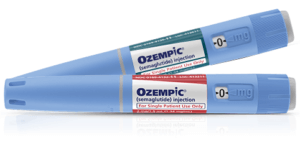
 Starting a new health journey can feel like a big, positive step forward. But sometimes, our bodies react in ways we don’t expect, leading to moments that can be a little uncomfortable or even embarrassing. For many people starting GLP-1 receptor agonists for type 2 diabetes or weight management, this can mean dealing with digestive issues. If you’ve experienced unpleasant, rotten-egg-smelling burps, you might be dealing with the widely discussed but rarely explained phenomenon of sulphur burps from GLP-1 medications.
What are GLP-1 medications?
GLP-1 receptor agonists are a class of medications that have become a cornerstone for treating type 2 diabetes and, more recently, for weight management. You might know them by brand names like Ozempic (semaglutide) and Mounjaro (tirzepatide). They work by mimicking a natural gut hormone called glucagon-like peptide-1.
This action helps the body in several ways:
- It encourages the pancreas to release insulin when blood sugar is high, improving glucose control.
- It slows down how quickly food leaves your stomach, which helps you feel fuller for longer.
- It signals to the brain to reduce appetite.
These effects are what make the medications so successful for managing blood sugar and supporting weight loss. As with any medication, it is important to discuss your treatment plan with your doctor to ensure it is the right choice for your health needs.
Sulphur burps and other surprising oral side effects
While highly effective, the same mechanism that makes GLP-1s work can lead to some unwelcome side effects. The most talked-about are the sulphur burps, which get their name from the distinct smell of hydrogen sulfide gas. This occurs when food sits in the stomach longer than usual and starts to ferment.
Alongside burps, some people experience a collection of symptoms sometimes called “Ozempic mouth.” This isn’t a formal medical diagnosis but a casual term for several oral health changes, including:
- Dry mouth (xerostomia): A persistent feeling of dryness in the mouth due to reduced saliva production.
- Bad breath (halitosis): Often a direct result of dry mouth and the gases from slowed digestion.
- An altered sense of taste (dysgeusia): Some report a metallic, sour, or bitter taste that can affect how food and drinks taste.
The good news is that for most people, these side effects are temporary. They are often most noticeable when you first start the medication or increase the dose, and they tend to lessen as your body adjusts over a few weeks.
Why do GLP-1 medications cause these side effects?
 The connection between GLP-1s and these side effects is directly linked to their primary function of slowing down the digestive system. While this delayed gastric emptying is key to appetite suppression and glucose control, it can create a cascade of other effects. Food that remains in the stomach for an extended period can produce gas, leading to bloating and the sulphur burps from GLP-1 medications.
This slowing can also contribute to acid reflux, bringing stomach acid into the mouth, which can erode tooth enamel over time. Nausea and occasional vomiting, another potential side effect, also expose teeth to corrosive stomach acid. Furthermore, the medication can impact nerve signals that control saliva production, leading to dry mouth. Saliva is your mouth’s natural defense, washing away food particles and neutralizing harmful acids, so having less of it can increase risks for cavities and gum issues. It is important to remember that these side effects do not typically outweigh the significant health benefits of these medications. Always consult your healthcare provider about any side effects you experience.
Simple lifestyle tips for managing side effects of GLP-1s
While these side effects can be bothersome, they are usually manageable with a few adjustments to your daily routine. These small changes can help protect your oral health and improve your comfort while you continue your treatment.
- Stay hydrated: Sip water throughout the day. This helps combat dry mouth and rinse away food debris and bacteria.
- Adjust your diet: Opt for smaller, more frequent meals to avoid overloading your stomach. Limiting fatty, greasy, or very spicy foods may also reduce reflux and nausea. Some find that reducing sulfur-rich foods like broccoli, eggs, and onions helps with burps.
- Rethink your drinks: Carbonated beverages like soda and sparkling water can add extra gas to your stomach, making burping more likely.
- Practice excellent oral hygiene: Brush twice a day with fluoride toothpaste and floss daily. If you experience vomiting, rinse your mouth with a mixture of water and a teaspoon of baking soda before brushing. Wait 30-60 minutes to brush to avoid damaging acid-softened enamel.
- Stimulate saliva: Chewing sugar-free gum or sucking on sugar-free candies can help encourage saliva production.
- Mind your habits after eating: Try to stay upright for a while after meals. A gentle walk can aid digestion, whereas lying down can worsen reflux.
- Avoid irritants: Smoking and alcohol are known to worsen dry mouth, so cutting back can provide significant relief.
In addition to branded medications, some patients may be prescribed Compounded Semaglutide or Compounded Tirzepatide by their doctor, which work through the same mechanisms.
When to talk to your doctor about sulphur burps
Mild, temporary digestive changes are common when starting a GLP-1 medication. However, you should reach out to your healthcare provider if side effects are severe, persistent, or accompanied by other concerning symptoms like intense abdominal pain, persistent vomiting, or an inability to keep food down. While rare, these could indicate a more serious issue that needs medical attention. Never stop or change your medication dosage without first speaking to your doctor. They can help you manage side effects, adjust your dosage, and ensure your treatment is both safe and effective. This is also why sourcing your medication from a licensed, reliable pharmacy is so important, ensuring you receive the exact, authentic medication your doctor prescribed.
Comparing common GLP-1 medications
| Treatment | How it works | Pros | Cons | Typical use |
|---|---|---|---|---|
| Wegovy (semaglutide) | Weekly GLP-1 injectable that slows digestion and reduces appetite. | Proven effective for chronic weight management; once-weekly dosing is convenient. | Injectable only; digestive side effects are common, especially initially. | Chronic weight management in adults with obesity or who are overweight with a related health condition. |
| Zepbound (tirzepatide) | Weekly injectable that acts on both GLP-1 and GIP receptors for enhanced effects on blood sugar and appetite. | Often leads to significant weight loss; dual-action may provide stronger results. | Injectable only; may have similar or more intense digestive side effects than GLP-1-only drugs. | Chronic weight management in adults with obesity or who are overweight with a related health condition. |
| Rybelsus (semaglutide) | Daily oral tablet that acts as a GLP-1 receptor agonist. | Oral tablet form avoids injections; effective for glucose control. | Must be taken on an empty stomach 30 minutes before food or other medications; may be less effective for weight loss than injectables. | Improving blood sugar control in adults with type 2 diabetes. |
How to access GLP-1 medications through IsraelPharm
If you and your doctor have decided that a GLP-1 medication is the right choice for managing your health, ensuring consistent and affordable access to your treatment is the next step. While side effects can be a concern, they are often manageable, and sourcing your medication should be the least of your worries. Options including Ozempic, Mounjaro, and others can be foundational to long-term health, and reliable supply is critical.
IsraelPharm helps patients access branded medications that can sometimes be difficult to source consistently through local channels. For treatments that require an ongoing, stable schedule, supply continuity is essential for success, and IsraelPharm is structured to support long-term treatment plans by delivering medication directly to your home. This process helps you avoid gaps between prescriptions or worries about local stock availability.
As a licensed international pharmacy, IsraelPharm dispenses the exact product prescribed by your physician, ensuring authenticity and quality. A valid prescription from a licensed physician is required for all orders, maintaining the vital role of your doctor’s oversight in your treatment journey.
Having difficulty getting a prescription? Source GLP-1 medications through telehealth
Telemedicine is become increasingly popular, because it provides a simple, easy and comfortable way to get a prescription for a GLP-1 medication. You can start by completing a confidential online consultation on our associate Rxfor.me platform. A board-licensed physician will review your medical history and health information within 24 hours to determine if you are clinically eligible for treatment. If approved, the physician will create a personalized plan and issue a prescription. The medication is then dispensed by a registered partner pharmacy and shipped directly to your home, ensuring a convenient and private process for accessing treatment like Ozempic.
Further reading
- GLP-1 Receptor Agonists: U.S. Food and Drug Administration
- Dry Mouth Information: MedlinePlus
- Diet and Oral Health: American Dental Association
- Ozempic vs. Wegovy: What’s the Difference?: IsraelPharm Blog
- A Patient’s Guide to Mounjaro for Weight Loss: IsraelPharm Blog
Frequently asked questions
What conditions are GLP-1 medications used for?
GLP-1 receptor agonists are primarily prescribed to help manage two major health conditions. They are widely used to improve blood sugar control in adults with type 2 diabetes. More recently, specific formulations and dosages of these medications have been approved for chronic weight management in adults who have obesity or are overweight and have at least one weight-related health issue, such as high blood pressure or high cholesterol. Your doctor will determine if this class of medication is appropriate for your specific health needs.
How do GLP-1s cause side effects like sulphur burps?
Sulphur burps are a direct result of how GLP-1 medications work. They slow down gastric emptying, meaning food stays in your stomach for a longer period. This extended time allows food to ferment, which can produce hydrogen sulfide gas. When this gas is expelled, it creates a distinct, unpleasant “rotten egg” smell. While this can be socially uncomfortable, it is typically a harmless side effect of the medication’s intended digestive action and often improves as your body adjusts to the treatment.
Are the oral health side effects of GLP-1s dangerous?
For most people, the oral health side effects are not dangerous but do require attention. Dry mouth is the most common issue, and if left unmanaged, it can increase your risk of tooth decay and gum disease because saliva is crucial for cleaning the mouth. Acid reflux or vomiting can also expose teeth to stomach acid, weakening enamel. Practicing excellent oral hygiene, staying hydrated, and speaking with your dentist about any concerns are effective ways to mitigate these risks and maintain good oral health during your treatment.
Do side effects of GLP-1 like sulphur burps get worse if my dose increases?
It is common for side effects to be most noticeable when you first start a GLP-1 medication or when your doctor increases your dose. This is because your body needs time to adjust to the medication.
Can I buy GLP-1 medications without a prescription?
Starting treatment with GLP-1s requires a medical evaluation by a licensed healthcare professional to ensure they are safe and appropriate for your specific health history. You need a prescription to source GLP-1 medications like Ozempic, Wegovy, and Zepbound from a licensed pharmacy. You should be suspicious when anyone offers to sell GLP-1s without requiring a valid prescription, as they may be selling counterfeit products.
You can obtain a prescription through your doctor, who should evaluate your BMI, review medical history, and prescribe the medication. Alternately, legitimate online telehealth platforms like Rxfor.me offer medical evaluations and provide prescriptions if you qualify.