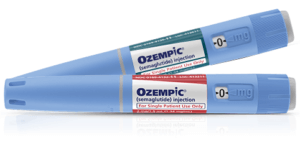
 Until recently most of the talk about the new wave of medications based on GLP-1, such as Wegovy and Zepbound, centered on their positive results. They have demonstrated effectiveness in promoting weight loss in overweight and obese teenagers and adults in the general population. But there’s another side that’s getting the attention of women in particular. Researchers are starting to report increasing instances where these drugs have some gender-specific side effects that weren’t obvious in the initial user.
This discovery has some serious consequences, because the balance of use of these popular treatments is skewed quite markedly toward girls and women. Studies suggest female patients often respond strongly to these drugs, sometimes with greater average weight reduction than men. Females constitute approximately 70–75% of users taking GLP-1 receptor agonists (GLP-1RAs) for weight loss. In part, this is because GLP-RAs are more effective for females, and they generally experience greater weight reduction compared to males.
The new point of concern is that they also face more than double the incidence of side effects like nausea and vomiting in the general population. Most of this new information is very recent, first surfacing towards the end of 2025, and only now being confirmed by more research. In this article, we will try to present the emerging facts so that readers can understand and deal with the implications.
GLP-1 side effects in females may not always look exactly the same as the side effects discussed in standard reports. Women are reporting vaginal discomfort, changes in libido, pelvic symptoms, body image, skin tone, and menopause symptoms. Some of these changes may be linked directly to the medicines. Others may come from rapid weight loss, changes in hormones, altered digestion, or the emotional effects of major body changes. In many cases, it is probably a mix of all of those.
Why new information about GLP-1 side effects matters so much for women
So far, more women than men are using GLP-1 drugs for weight loss. If a treatment is being used mostly by women, but the public discussion stays focused on broad, general side effects, there is a risk that important details get missed.
One reason this topic has grown so quickly is that many women say they were prepped to expect mild side effects, such as nausea, vomiting, constipation, reduced appetite, and fatigue. But there was not much emphasis on sexual changes, pelvic discomfort, or vaginal dryness.
That is why newer discussion around GLP-1 side effects specific to women is useful. Women should know about GLP-1 side effects in broader terms than a standard package insert. They may need to think about digestion, hydration, nutrient intake, menstrual or menopausal status, muscle loss, skin changes, pelvic floor strain, and sexual wellbeing as part of one connected picture.
What changes are being reported in female users of GLP-1
Some women report a lower sex drive after starting treatment. Others report the opposite. Weight loss can improve mobility, confidence, self-image, and metabolic health, and those changes can support intimacy. At the same time, reduced calorie intake, fatigue, nausea, dehydration, hormonal shifts, and stress can work in the other direction. That helps explain why there is no single pattern.
The specific topic of side effects of Ozempic in women often comes up in this context because Ozempic is one of the best-known GLP-1 medicines. Online reports and expert commentary describe women noticing lower desire, vaginal dryness, looser skin, and sometimes changes in the vulvar area as body fat drops. These are not universal effects, but they are being discussed much more openly than before.
The straighforward answer to what women may experience when taking Ozempic is that they may experience a combination of physical and emotional changes. Some feel better in their bodies. Some feel surprised by how fast tissue tone changes. Some notice digestive strain that affects pelvic comfort. Others notice no sexual or pelvic changes at all.
Interest in potential changes in sexual function with Wegovy use has grown because women are trying to separate three things that can happen at the same time:
- Direct medication effects on appetite, reward, and brain signaling.
- Indirect effects from fast weight loss, lower energy intake, and dehydration.
- Life-stage effects, especially around perimenopause and menopause.
For some women, the strongest issue is not libido but comfort. Reports about how GLP-1 may affect sexual health often center on dryness, irritation, reduced spontaneity, and the way digestive discomfort can make intimacy feel less appealing. The relationship between weight loss and sexual health is not simple. Better metabolic health can help. So can improved self-confidence. But if the body is under stress, sexual wellbeing may dip before it improves.
The science behind the new knowledge about GLP-1
The science is progressing, but it is not finished. The newer observations are observed in smaller studies, and some fit with what is already known about hormones, metabolism, reward pathways, muscle loss, and dehydration. But researchers are still working out how much comes from the medicines themselves and how much comes from the changes these medicines trigger.
Metabolic effects
- GLP-1 medicines change appetite, slow stomach emptying, reduce food intake, and often lead to meaningful weight loss. Fat tissue is not just stored energy. It is biologically active and tied to hormone signaling. When body fat changes quickly, hormone patterns can shift too. That is one reason interest in hormonal changes associated with GLP-1 medications has increased.
- Brain signaling may matter as well. Researchers have been exploring reward pathways, including dopamine-related systems, to understand why some patients notice changes in desire, cravings, and motivation while taking GLP-1 drugs. It gives a credible biological pathway for why changes in libido with GLP-1 medications and sex drive changes linked to GLP-1 treatments are being discussed seriously.
- Rapid weight loss can also affect tissue quality, skin tone, and muscle mass. If protein intake is low and strength work is absent, some women may lose more lean mass than expected. Muscle support, posture, and core strength all influence comfort, energy, and pelvic function. Still, researchers are careful not to overstate the case. These mechanisms make sense, but they are still being studied and not all links are fully proved.
- Using GLP-1 treatments in menopausal women generates other concerns because many users are in their forties, fifties, and sixties. In that age group, hot flashes, vaginal dryness, sleep problems, mood changes, and libido shifts may already be present. GLP-1 treatment can overlap with these issues and make the full picture about GLP-1 side effects in females harder to interpret.
Anatomical effects
- Pelvic symptoms are not usually the first thing people think about with GLP-1 drugs, but the connection is not unexpected. These medicines often slow digestion and can increase constipation in some users. When constipation becomes chronic, straining can place extra stress on the pelvic floor.
- A weak or stressed pelvic floor can contribute to pressure, discomfort, incomplete emptying, and in some cases urinary leakage, all signs of pelvic floor issues linked to GLP-1 medications.
- Hydration and nutrition matter. So does muscle support. The common question of whether GLP-1 drugs cause vaginal dryness still does not have a simple answer. Some women do report it, there are plausible reasons why it might happen, and doctors should take the symptom seriously rather than dismiss it.
- Some women also describe GLP-1 treatments and changes in vaginal comfort in ways that go beyond dryness alone. Comfort may change because of irritation, tissue changes during rapid fat loss, constipation-related pelvic tension, or overlapping menopause symptoms. The story is still developing, but the reported experience is clear enough that it should be part of any discussion.
When menopause sets in, hormonal changes and weight loss overlap
This is one of the hardest parts of the topic. Many of the same symptoms now being linked to GLP-1 use in women are also common in perimenopause and menopause. Libido changes, vaginal dryness, disturbed sleep, lower energy, mood shifts, and pelvic discomfort all fit that stage of life even without a GLP-1 medicine in the picture.
That overlap makes cause and effect difficult to sort out. A woman may start a GLP-1 drug during midlife, lose a significant amount of weight, eat much less than before, deal with constipation, and also move deeper into menopause over the timeframe. In that situation, it is not realistic to blame one factor alone.
Still, that is exactly why awareness matters. When women know that these issues can overlap, they are more likely to notice patterns early and bring them to the attention of their healthcare provider. The goal is not to force a single explanation, but rather to avoid missing the full picture.
What steps can be taken to counter GLP-1 side effects in females
Most of the sensible steps in this area are supportive. Women using GLP-1 medicines often do best when they protect the basics lifestyle that rapid weight loss can disturb. That includes adequate hydration, steady nourishment, protein intake, bowel regularity, and muscle support.
- Staying well hydrated can help reduce constipation, fatigue, and dryness.
- Maintaining balanced nutrition can support energy, tissue health, and muscle retention.
- Strength training can help protect lean mass and support core stability.
- Pelvic floor exercises may support comfort and function for some women.
Many women hesitate to mention sexual symptoms, vaginal dryness, or urinary changes because they assume the issue is unrelated or too private to raise. A qualified healthcare provider can review timing, other medicines, menopause status, hydration, constipation, and nutrition to make better sense of the pattern.

Keeping the new knowledge of GLP-1 side effects in females in perspective
The bigger picture still matters. GLP-1 medicines can produce major health benefits for the right patient. Weight loss can improve blood sugar control, blood pressure, boost self-confidence, and reduce sleep apnea, mobility problems, joint pain,. Some women feel physically and emotionally better than they have in years.
At the same time, a woman can be pleased with weight loss but still have to struggle with unwanted side effects. Most of these are manageable when they are recognized early. More research is coming, and that will help clarify which patterns are common, which are rare, and which are driven mainly by weight loss rather than the drug itself. For now, the best approach is informed awareness rather than panic.
IsraelPharm and access to GLP-1 medications
For women who have been prescribed branded GLP-1 treatment, reliable access matters, because when medicines are used on a fixed weekly or daily schedule, gaps in supply can disrupt continuity. IsraelPharm helps patients access branded medications priced significantly below typical US retail rates.
Home delivery also adds convenience. Instead of repeated local pharmacy visits and the uncertainty of local stock, medication is shipped directly to the patient’s home. For ongoing therapies such as Ozempic, Wegovy, Mounjaro, Zepbound, or Rybelsus, dependable supply can reduce the stress of chasing refill availability while keeping physician oversight of treatment fully in place.
Conclusion – it’s still a matter of weighing the benefits and risks
The hidden GLP-1 side effects in females are becoming easier to see because more women are speaking openly about them. That is a good thing. Better awareness gives women better information, and better information supports better outcomes.
The current evidence suggests that sexual changes, vaginal dryness, pelvic symptoms, and menopause overlap should all be part of the conversation around GLP-1 use in women. Not every woman will experience these problems. Some will notice the opposite, including improved confidence and improved sexual wellbeing after weight loss. But the newer reports are strong enough that they should not be ignored.
The most balanced view is also the most practical one. These medicines can offer real benefits, but women deserve clear, complete discussion of the less obvious effects too. When new symptoms appear, the best next step is not guesswork. It is a careful conversation with a qualified healthcare provider who can look at the whole picture.
Frequently asked questions about side effects of GLP-1 in women
Do GLP-1 medications affect libido in women?
Yes, GLP-1 medicines can affect libido in some women, but the direction is not the same for everyone. Some women report lower desire, while others notice improved confidence and better sexual wellbeing after weight loss. Changes may be linked to reduced appetite, lower energy intake, nausea, dehydration, hormone shifts, body image changes, or menopause overlap. The available evidence is still developing, so the most accurate view is that libido changes can happen, but they are not predictable in one single pattern.
Can Ozempic or Wegovy cause vaginal dryness?
Some women do report vaginal dryness while taking Ozempic or Wegovy, although researchers have not yet fully defined how common it is or whether the drugs are the direct cause in every case. Possible reasons include dehydration, lower calorie intake, hormonal changes, menopause, and rapid changes in body tissue. Because several factors can overlap at the same time, a healthcare provider usually needs to review the full picture rather than assume one single cause.
How do GLP-1 drugs impact hormones in women?
GLP-1 drugs do not work as hormone therapy, but they can influence the hormonal environment indirectly through weight loss, reduced food intake, and metabolic change. Fat tissue helps shape hormone balance, so major fat loss can alter that balance over time. In women, those shifts may affect energy, mood, libido, menstrual patterns, or symptoms that overlap with menopause.
Can weight loss medications affect pelvic floor health?
Yes, weight loss medications may affect pelvic floor health indirectly, mainly when they contribute to constipation, straining, dehydration, or loss of muscle support. Rapid weight loss may also reduce tissue support if muscle mass drops at the same time. Women who notice pressure, leakage, or pelvic discomfort should bring it up with a qualified healthcare provider instead of assuming it is unrelated.
Are sexual side effects from GLP-1 common?
Sexual side effects from GLP-1 drugs are being reported often enough to deserve attention, but it is still too early to say they are common. Many studies were not designed to look closely at sexual wellbeing, vaginal comfort, or libido from the start. As a result, symptoms may have been underreported.
Do GLP-1 medications affect menopause symptoms?
GLP-1 medications can overlap with menopause symptoms in ways that make cause and effect hard to separate. Women in midlife may already be dealing with hot flashes, dryness, lower libido, sleep problems, and mood changes before treatment starts. Once a GLP-1 drug is added, rapid weight loss, metabolic changes, and digestive side effects can make the overall picture more complicated.
Should women be concerned about long-term effects of GLP-1?
Patients should be alert to long-term effects of GLP-1 side effects in females, but concern should be informed rather than alarmed. The current discussion reflects a real need for better tracking of sexual health, pelvic symptoms, muscle loss, and menopause overlap over time. At the same time, these medicines can offer major health benefits for the right patient, including weight reduction and metabolic improvement. The most reasonable position is to discuss them early with a qualified healthcare provider as research continues to develop.