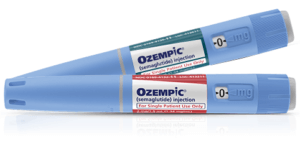
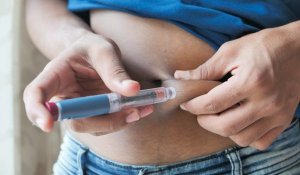
 Glucagon-like peptide-1 (GLP-1) receptor agonists are medications prescribed for managing type 2 diabetes and, increasingly, for weight loss. These drugs, which include well-known brands like Ozempic, Mounjaro, Zepbound, and Wegovy, represent a significant advancement in treatment. However, their growing popularity has been accompanied by a sharp rise in dosing errors and safety concerns. Understanding GLP-1 dosing safety is therefore essential for anyone starting or considering these treatments to ensure they are used effectively and without unnecessary risk.
How GLP-1 receptor agonists work
GLP-1 receptor agonists are a class of medications that mimic the function of a natural hormone in your body called glucagon-like peptide-1. This hormone is released by your gut after you eat and plays a key role in managing blood sugar and appetite. By activating the same receptors as this hormone, these drugs help regulate your body in several important ways.
- They stimulate insulin release: When your blood sugar levels are high, GLP-1s signal the pancreas to release insulin, which helps cells absorb sugar for energy.
- They suppress glucagon secretion: They also reduce the amount of glucagon, a hormone that tells the liver to release stored sugar, which helps prevent blood sugar from going too high.
- They slow down digestion: The medication slows the rate at which food leaves your stomach, making you feel full for a longer period.
- They reduce appetite: GLP-1s also act on the brain to decrease hunger signals, which can lead to eating less and subsequent weight loss.
It is important that these medications are used under the guidance of a healthcare provider who can monitor their effects and adjust treatment as needed. Your physician determines the appropriate medication and dosage for your specific health needs.
The critical importance of GLP-1 dosing safety
The effectiveness of GLP-1 medications is closely tied to using them correctly. Recently, there has been a significant increase in accidental overdoses. America’s Poison Centers reported a nearly 1,500% increase in calls related to these drugs since 2019. The vast majority of these incidents are not intentional but are therapeutic errors, meaning they happen by mistake while a person is trying to follow their treatment plan.
Common errors include:
- Taking doses too close together: Forgetting the weekly schedule and injecting the medication too early.
- Incorrect dose amounts: Dialing the wrong dose on an injector pen or drawing an incorrect amount from a vial.
- Doubling up on doses: Injecting a second time after thinking the first injection pen malfunctioned.
- Confusion between formulations: Mixing up daily versus weekly dosing schedules when switching between different GLP-1 therapies.
These errors underscore the need for clear patient education. A study found that over 90% of GLP-1 exposures reported to poison centers were due to self-administration mistakes, with a significant number occurring on the very first use. Proper guidance on using the injector pen and understanding the dosing schedule is fundamental to GLP-1 dosing safety.
Compounded vs. branded GLP-1s: a key safety factor
High demand for GLP-1 medications has led to shortages, pushing some patients toward buying compounded versions rather than switching back to less effective solutions. Compounded drugs are prepared by a pharmacist to meet a specific patient’s need, but they are not approved by the FDA. This means their safety, quality, and efficacy are not federally regulated in the same way as branded products.
The risks associated with compounded semaglutide and tirzepatide can be significant. This makes sourcing from the right pharmacy a major factor, when choosing to buy specially produced draugs rather than off-the-shelf brand. Reports have shown that some compounded products bought from foreign companies may use different salt forms of the active ingredient, which are not the same as those in the approved drugs. Dosing errors are also a major concern, as patients have accidentally taken ten times the recommended dose due to confusing measurement units with syringes used for compounded vials. This is oe of the primary drivers behind the increase in GLP-1 overdose symptoms.
For patients prioritizing safety and treatment consistency, sourcing the exact medication is crucial. As always, the prescribing doctor is the final authority, and when they deem it necessary, for specific patient concerns or due to shortages of the branded versions, sourcing from a licensed pharmacy like IsraelPharm provides access to the authentic, branded medications. We only sell branded products such as Ozempic, Wegovy, Mounjaro, and Zepbound from the original manufacturer, as well compounded formulations from regulated U.S.-based laboratories that conform to national standards. This ensures patients receive the precise product and dosage form that their physician prescribed.
Recognizing symptoms of a GLP-1 overdose
The signs of a GLP-1 overdose are typically an extension of the medication’s common side effects, but they may be more severe and last longer. Because these drugs have a long half-life, symptoms can persist for several days after an incorrect dose.
Key GLP-1 overdose symptoms to watch for include:
- Severe and persistent nausea
- Prolonged vomiting and diarrhea
- Abdominal pain or cramping
- Dehydration from fluid loss
In some cases, a more serious complication can occur: hypoglycemia, or low blood sugar. While less common, the risk is higher in individuals who do not have diabetes or who are also taking other medications that lower blood sugar, like insulin. The commitment to GLP-1 dosing safety includes being able to recognize these symptoms and knowing when to seek medical help. If you suspect an overdose, you should contact a poison control center or your doctor immediately.
Starting and adjusting your dose: the titration process
To minimize side effects and improve tolerance, GLP-1 medications are typically started at a low dose and gradually increased over several weeks or months. This process is known as titration. It allows your body to adjust to the medication slowly, reducing the intensity of gastrointestinal side effects like nausea that are common when starting treatment.
A typical GLP-1 titration schedule involves staying on a starting dose for at least four weeks before increasing to the next level. Rushing this process or trying to jump to a higher dose too quickly in an attempt to accelerate weight loss can lead to significant discomfort and adverse events. Adhering to the prescribed titration schedule is a core component of GLP-1 dosing safety. It is a partnership between you and your healthcare provider to find the most effective dose that you can also tolerate.
Comparing common GLP-1 treatments
| Treatment | How it works | Pros | Cons | Typical use |
|---|---|---|---|---|
| Ozempic / Wegovy (semaglutide) | A GLP-1 receptor agonist that mimics the GLP-1 hormone. | Proven effective for blood sugar control and weight loss; weekly injection. | Gastrointestinal side effects are common; requires titration to manage side effects. | Ozempic for type 2 diabetes (with weight loss benefit); Wegovy for chronic weight management. |
| Mounjaro / Zepbound (tirzepatide) | A dual GLP-1 and GIP receptor agonist, targeting two different hormones. | Often results in greater weight loss and blood sugar control compared to GLP-1s alone; weekly injection. | Similar gastrointestinal side effects; also requires careful dose titration. | Mounjaro for type 2 diabetes; Zepbound for chronic weight management. |
| Compounded GLP-1s (semaglutide or tirzepatide) | Active ingredients mixed in a compounding pharmacy, not FDA-approved. | May be more accessible during shortages of branded products. | If the producer is not regulated for safety or efficacy; high risk of dosing errors and unknown ingredients. Potentially serious compounded semaglutide risks. | Used when branded drugs are on official shortage lists, but carries some risks if sourced from unregulated pharmacies. |
How to access GLP-1 dosing safety through IsraelPharm
Navigating treatment with powerful medications like Ozempic, Wegovy, or Mounjaro requires a focus on safety and consistency. For many patients, securing a reliable supply of their prescribed weight loss medication is a primary concern, especially with ongoing market shortages. IsraelPharm offers a dependable solution for accessing these treatments.
As a licensed international pharmacy, IsraelPharm ensures that you receive the exact brand-name medication prescribed by your doctor. This eliminates the risks associated with unregulated compounded drugs and guarantees you are using a product with proven safety and efficacy. We provide access to authentic GLP-1 medications, helping you maintain the continuity of your treatment without interruption, which is critical for the weekly dosing schedules and long-term management plans associated with these drugs.
The ordering process is straightforward and caters to patients on long-term treatment programs, with convenient home delivery. A valid prescription from a licensed physician is required for all orders, as your health and safety are the top priority. By sourcing your medication through IsraelPharm, you can be confident in the legitimacy and quality of your treatment, allowing you to focus on your health goals.
Further reading
- Medications Containing Semaglutide Marketed for Type 2 Diabetes or Weight Loss: U.S. Food and Drug Administration (FDA)
- GLP-1 Agonist Drug Overdose: National Capital Poison Center
- What to Know About GLP-1 Agonists for Weight Loss: Health.com
- Your guide to compounded medications: IsraelPharm blogs
Frequently Asked Questions about GLP-1 Dosing Safety
What is the biggest risk with GLP-1 dosing?
The most significant risk is accidental overdose due to therapeutic error. This can happen from taking a dose too soon, injecting the wrong amount, or confusion over dosing schedules, especially with weekly injections. Such errors can lead to severe gastrointestinal side effects like persistent vomiting and diarrhea, and in some cases, dehydration or low blood sugar. Proper patient education on how to use injection pens and track doses is critical for GLP-1 dosing safety and minimizing these risks.
Can you overdose on Wegovy or Ozempic?
Yes, it is possible to overdose on Wegovy and Ozempic, which both contain semaglutide. Overdoses are almost always accidental, resulting from dosing errors rather than intentional misuse. Taking too much of the medication can cause severe nausea, vomiting, and abdominal pain that may last for several days. Because of the long-acting nature of these drugs, it is crucial to follow the prescribed weekly dosing schedule carefully and to confirm the correct dose is dialed on the pen before injecting.
How does GLP-1 titration improve safety?
GLP-1 titration, the process of starting with a low dose and increasing it gradually, is a key safety measure. It allows the body to acclimate to the medication over time, which significantly reduces the severity of gastrointestinal side effects like nausea and vomiting. This slow and steady approach improves a patient’s ability to tolerate the drug, making it more likely they will stick with their treatment. Rushing the titration process can lead to intense side effects and increases the risk of discontinuing the medication.
What are the symptoms of a GLP-1 overdose?
Symptoms of a GLP-1 overdose are primarily severe and prolonged gastrointestinal issues. These include intense nausea, persistent vomiting, diarrhea, and abdominal pain. Due to the potential for significant fluid loss, dehydration is also a concern. While less frequent, hypoglycemia (low blood sugar) can also occur, particularly in individuals not diagnosed with diabetes. The long duration of these drugs means overdose symptoms can persist for an extended period. If you experience these symptoms and suspect an error, contact a healthcare professional.
Why is compounded semaglutide considered risky?
Compounded semaglutide poses several risks because it is not FDA-approved, meaning its quality, purity, and potency are not federally regulated. There have been reports of compounded versions containing different or impure ingredients. Furthermore, compounded semaglutide often comes in multi-dose vials that require patients to draw up their own dose with a syringe, which has led to significant dosing errors—sometimes up to 10 times the intended amount. These compounded semaglutide risks are a major concern for patient safety.
How can I safely source my prescribed GLP-1 medication?
To ensure safety, always source your GLP-1 medication from a licensed pharmacy that provides FDA-approved, branded products. IsraelPharm is a licensed international pharmacy that dispenses the exact medication your doctor prescribed, such as Ozempic or Wegovy. This guarantees you are receiving a regulated product and not a potentially unsafe compounded version. A valid prescription is required, ensuring physician oversight is maintained. This approach provides reliable access and continuity of care for your prescribed weight loss medication.
Glossary
Compounded medication: A drug mixed by a pharmacist to create a formulation tailored to an individual patient, which is not FDA-approved.
Glucagon: A hormone that raises blood glucose levels by signaling the liver to release stored sugar into the bloodstream.
Glucagon-like peptide-1 (GLP-1): A naturally occurring gut hormone that regulates appetite and blood sugar levels after eating.
Hypoglycemia: A condition characterized by abnormally low blood sugar levels, which can cause symptoms like shakiness, confusion, and dizziness.
Insulin: A hormone produced by the pancreas that allows cells to absorb glucose from the blood for energy.
Receptor Agonist: A substance that binds to and activates a specific receptor in the body, mimicking the action of a natural hormone or neurotransmitter.
Subcutaneous injection: An injection administered into the fatty tissue just beneath the skin.
Therapeutic error: An unintentional mistake made in the administration of a drug, such as taking the wrong dose or at the wrong time.
Titration: The process of adjusting the dose of a medication over time to find the most effective dose with the fewest side effects.