 People whose weight is higher than what is considered healthy for their height are described as having excessive body mass, clinically defined as being overweight or obese. Both of these can increase a person’s risk for many health problems. A person’s weight, by itself, is not a meaningful measure of their state of health. Obviously, taller people do (and should) weigh more than shorter people. As well, gender is a factor – men generally weigh more than women of the same height. Age also plays a role – people tend to lose muscle mass and bone density as they age, especially in women. Doctors have struggled for many years to develop a simple, universal formula that would allow clinical decisions to be made on a repeatable basis, without relying on appearance or a measuring scale. For many years, the standard adopted in general practice, in insurance guidelines, and in the law has been the Body Mass Index (BMI).
- BMI measures body fat by calculating the ratio of weight in kilograms divided by height in meters squared (Kg/m²)
- A person’s BMI is used as a rapid, simple tool to categorize individuals as underweight, healthy weight, overweight, or obese.
- Although it serves as a convenient measure, BMI cannot identify adiposity – the body’s fat distribution, such as visceral fat, which is more directly linked to health risks than total body weight.
- BMI may be inaccurate for some people, such as athletes, who have more muscle tissue.
- People are also born with genes that shape their bodies in different ways. There are three somatotypes – primary human body types:
- ectomorphic – lean, thin, generally taller than average
- mesomorphic – muscular, dense bones, athletic
- endomorphic – curvy bodies, softer, rotund.
BMI of adults aged 20 and older
BMI is a measurement that uses the person’s weight and height to calculate the level of obesity. The table below shows BMI ranges for overweight and obesity in adults aged 20 and older.
| BMI | Category |
| 18 or lower | Underweight |
| 18.5 – 25 | Healthy weight |
| 25 – 30 | Overweight |
| 30 – 40+ |
|
Calculate your own BMI with this free online tool.
As its name indicates, the BMI is a marker of total body mass. It is not a specific measure of adipose tissue. Here, we position relative fat mass (RFM) as an ideal alternative to BMI by highlighting the superior performance of RFM in assessing cardiometabolic risk.
Body mass index (BMI), as its name indicates, is a marker of total body mass and does not take adipose tissue into account. The BMI is not especially effective in determining the level of several important health issues, such as assessing cardiometabolic risk.
Current alternatives to BMI
- Body Roundness Index (BRI): Calculates how closely a person’s shape resembles a circle, providing a score (1-15) that correlates more closely to health risks. While BRI is more meaningful than BMI, it is more time-consuming to calculate and requires multiple measurements with a measuring tape, rather than just a single reading from a weight scale and height measure.
- Waist circumference (WC): A simpler, highly recommended measure that identifies, with just a tape measure, the presence of abdominal fat that is associated with higher levels of risk of serious underlying conditions (primarily related to heart, liver and lungs).
- Relative Fat Mass (RFM): A gender-specific formula using height and waist circumference to estimate body fat percentage, taking into account the known differences between male and female body structure.
- DEXA scans: An expensive but very accurate measure, requiring body imaging. It directly measures fat, muscle, and bone density. Requires visits to a clinic, so it’s not suitable for tracking progress in weight control.
Why BMI is being phased out
BMI is heavily criticized for being inaccurate because it cannot differentiate between fat and muscle mass, often classifying super-fit people as overweight or even obese. On the other hand, it can fail to highlight what’s called skinny fat – layers of adipose fat often prevalent in individuals who are not physically fit and active.
Many healthcare professionals are sticking with BMI, although it is flawed, because it is deeply embedded in healthcare systems (reporting, patient histories, insurance, screenings, etc.), making transition difficult.
How common is excessive body mass?
The conditions of being overweight or obese are defined by a person’s body mass index (BMI). According to estimates based on data from the 2017–2018 National Health and Nutrition Examination (NHANES) survey, excess body mass is common among U.S. adults ages 20 and older:
- Nearly 1 in 3 adults are overweight
- More than 2 in 5 adults (42%) are obese
- Nearly one in ten adults (9.2%) are classified as severely obese.
Overall, nearly three-quarters (73%) of the adult population of the US is overweight or obese!
Natural causes of excess body mass
Being overweight or obese is not simply a matter of making poor choices in diet and exercise. People are born with inherent characteristics that predispose them more naturally to obesity, which they have to fight against to achieve a “normal” body mass.
Gender
The relationship is complex. When people are aged 40 or less, men are slightly more likely (77% vs 69%) to be overweight. Past the age of 40, the statistics flip, with women being almost twice as likely (11.5% vs 6.9%) to be overweight compared to men of the same age. The main source of this difference is the change in hormone levels that occurs when a woman passes through menopause.
Ethnicity
Overweight and obesity rates also vary among racial and ethnic groups. According to the 2017–2018 NHANES survey, adult obesity rates in non-Hispanic Blacks (49.6%), Hispanics (44.8%), and non-Hispanic Whites (42.2%) are higher than for the general population, compared to Asians (17.4%). However, this measure is skewed by reliance on the BMI for measuring levels of excess body mass. For example, in people of Asian descent, there is a tendency to store extra fat around the belly, which can increase their risk for weight-related health problems even if the BMI is not above normal.
Lifestyle
Levels of excess body mass also vary among geographic groups. For example, it is more common among people living in rural areas compared to urban areas.
Lifestyle habits, mainly patterns of foods eaten, beverages consumed, and levels of daily activity, can also affect a person’s weight. Basically, it comes down to the balance between calorie intake (food and drink) vs calories used in physical activity and through daily living. It’s not just direct exercise – like jogging, weightlifting, or gymnastics. Ordinary daily activities, such as housework or walking around the mall, also consume calories. The body is a furnace that burns energy all the time, to keep the heart pumping and the brain ticking. The problem comes when there are excess calories, which the body is programmed to store as fat.
Sleep
Not getting enough, or getting the wrong kind of, sleep is also linked to body mass increase. The general guidelines from healthcare experts are that adults under the age of 65 need eight to nine hours of sleep a night. Adults aged 65 and older should be able to get by with a bit less – seven to eight hours of sleep a night, supplemented with a short nap during the day.
Not getting enough sleep generates feelings of hunger, causing a person to consume more calories than they need. Snacking also leads to poor choices of foods, such as high-fat, high salt, processed foods, and sugary or alcohol-laden beverages instead of healthier food and drink. A person who is getting enough sleep may be able to avoid these splurges and stick to a healthier food intake.
Medicines
Some prescribed medications can influence the energy intake/consumption balance by making a person feel hungry at the wrong time, or making the body less active, burning fewer calories. Some also contribute directly to weight gain, such as:
- drugs for treating epilepsy, depression, or psychotic disorders
- steroids for inflammation
- diabetes medicines such as insulin and sulfonylureas, which can cause steep drops in blood sugar levels, making a person feel the need for food (especially sugar)
- some high blood pressure medicines used to control blood flow, including beta-blockers, alpha-blockers, and calcium channel blockers
- some antihistamine medicines used to handle allergies.
Comorbidity
Pre-existing health problems may also lead to weight gain, including:
- Polycystic ovary syndrome (PCOS)
- Cushing’s syndrome
- hypothyroidism
- damage to the hypothalamus and pituitary gland
- depression
- long-term stress
- eating disorders, such as binge-eating disorder and bulimia nervosa.
Even while under treatment, these conditions can lead to weight gain.
Genetics
A person’s chances of being overweight or obese increase if there is a family history of obesity. Timing also matters, because children whose mothers were overweight during pregnancy are also more inclined to be overweight themselves when they grow. Once excess fat takes hold in children and adolescents, they may have an uphill battle for the rest of their adult lives.
Genes may also affect both the amount of fat and where the body stores it. They may also play a role in appetite and how physically active a person is.
The consequences of adiposity
People who are overweight carry significantly higher risks of developing other conditions that threaten their general health. This risk is elevated when they are classified as obese. The most prominent risks are:
| Condition | Description | Outcomes |
| Type 2 diabetes | High blood glucose. Nearly 90% of people with type 2 diabetes are overweight | heart disease, stroke, kidney disease, eye or nerve damage |
| High blood pressure | Hypertension – caused by the heart having to work with force greater than normal to push blood through the arteries | strains the heart, damages blood vessels, raises the risk of heart attack, stroke, kidney disease, and death |
| Heart disease | Damage to heart muscles and major arteries, angina, abnormal heart rhythm | heart attack, stroke |
| Stroke | Blockages to blood flow to the brain. High blood pressure is the leading cause of strokes. | paralysis, brain damage, death |
| Metabolic syndrome | large waist size, high levels of triglycerides, hypertension, elevated blood sugar, low level of LDL | increased risk of heart disease, diabetes, and stroke |
| Fatty liver diseases | Fat builds up in the liver | severe liver damage, cirrhosis, or even liver failure., nonalcoholic fatty liver disease (NAFLD), nonalcoholic steatohepatitis (NASH). |
| Sleep apnea | blockages of airway when sleeping, causing irregular breath or even stopped breathing | risk of developing several health problems, including heart disease and diabetes. |
| Asthma | inflamed and narrow airways causing breathing difficulties | worse symptoms, more difficulty managing the condition |
| Osteoarthritis | pain, swelling, stiffness, and reduced motion in joints | excess mass puts extra pressure on joints and cartilage, and raises levels of inflammation. |
| Gout | arthritis that causes pain and swelling in the joints | reduced mobility, pain |
| Gallbladder and pancreas disease | Gallstones, inflammation of the pancreas | pain, metabolic diseases |
| Chronic kidney disease (CKD) | kidney damage, blood toxin levels | kidney failure, need dialysis or transplant |
| Fertility problems | inability to fall pregnant, or carry to full term | obesity can affect both the pregnant mother and the fetus’s health. |
| Sexual dysfunction | erectile dysfunction (ED) in men, loss of libido and self-image in women | infertility, strained family relationships |
| Mental health problems | self-image problems, low self-esteem | long-term stress, depression, eating disorders |
Treatments that can help to lose weight and keep it off
Weight-loss medicines
Obesity has often been seen as a result of lifestyle choices instead of being a medical condition that needs professional treatment. Health care professionals can prescribe medicines that are specifically designed to help reduce appetite and control calorie intake.
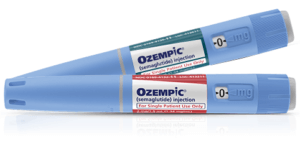
New medications like semaglutide (Wegovy) and tirzepatide (Zepbound) have now changed how people can approach the issue of weight loss. Compared to methods such as diet and exercise, control with GLP-1 drugs can achieve impressive results and keep the weight off effectively.
Studies of how well treatment with tirzepatide achieved sustained weight loss showed that over the first 6 months, people lost about 21% of their body weight. After that, for the next year, some participants in the study kept using GLP-1 while others switched to a placebo. The group that stayed on tirzepatide lost just over a further 5% of weight, while the placebo group gained back 14% of the weight they had lost. By studies end, almost 90% of the tirzepatide group kept around 80% of their weight loss, compared to just 16% of the control group.
How to access GLP-1 medications from IsraelPharm
IsraelPharm is a licensed international pharmacy that stocks the popular weight-loss products and ships them directly to patients holding a valid prescription from their physician.
When evaluating why IsraelPharm can be the best source, consider the following main points:
- Legitimacy: We operate under Israeli Ministry of Health regulations, only dispensing prescription medicines when provided with a valid prescription.
- Access : We stock these branded medications sourced from the original manufacturers or their licensed outlets – no substitution.
- Continuity: The need for weight-loss therapy usually continues for many years, and could be lifelong. Regular monthly supply from an international pharmacy like ours, with multiple supply lines, is less exposed to the specific US-market disruptions that have driven frequent shortages of these drugs in the recent past.
- Affordability: Branded medications like Wegovy and Zepbound will cost substantially less from us than standard US retail prices, which adds up to substantial savings over a multi-year treatment, without having to switch month-by-month to chase special deals and coupons.
Weight-loss surgery
In extreme cases, where there is a distinct threat to longevity, doctors may recommend metabolic or bariatric surgery. The options include interventions that make changes to the digestive system. A doctor may recommend weight-loss surgery if the patient has a body mass index of 35 or higher. In some cases, doctors could recommend weight-loss surgery for a patient with a lower BMI if they have any other serious health problems that are related to obesity, such as type 2 diabetes or sleep apnea.
Weight-loss devices
The FDA has approved several weight loss devices that directly help patients who haven’t been able to lose weight or maintain loss using other treatments. These should only be considered once all other options have been exhausted, and only under the supervision of a healthcare provider. Frequently asked questions about excess body mass
How can a healthy eating plan and physical activity help me lose or maintain weight?
The key to losing weight is choosing a healthy lifestyle:
- Follow a healthy eating plan: reduce the number of calories and eat healthier foods. Avoid highly processed, sweetened, high-fat, high carbohydrates. Switch to vegetables (beans, peas, and lentils); whole fruits; whole grains (brown rice, oats, and whole-wheat bread); fat-free or low-fat milk, yogurt, and cheese; lean meats; poultry; eggs; seafood; unprocessed oils (olive oil, nuts, and avocados).
- Regular physical activity: aerobics, walking, cycling, swimming, dancing. Avoid strenuous (muscle-building) activities like weightlifting and climbing. Aim for at least 150 minutes each week. People with chronic health conditions should consult their health care professional before starting regular physical activity.
- Set reasonable goals: Slow weight loss usually retains the benefits. Crash diets and excess exercise may yield quick weight loss, but are hard to maintain, and the weight rebound could cancel all the benefits.
- Get professional support: Support groups, group therapy, and trained specialist health professionals. Keeping the weight off can be hard.
Am I at a healthy weight?
Doctors use two measures – body mass index (BMI) and waist size- to judge weight. Body mass index (BMI) is calculated based on height and weight. It does not directly measure the amount of fat in the body. For some people, it may not be the best way to assess health risks related to excess body fat. For example, someone who is muscular, like a bodybuilder.
- Some people with Asian ancestry tend to store extra body fat around their waist.
- Older adults tend to lose bone and muscle and gain body fat as they age. Gaining extra body fat as you get older can increase your risk for health problems, even if your BMI does not change.
Why is waist size now being considered instead of BMI?
The body can store fat in a few places, and where the layers of adipose tissue are located matters. People who have extra body fat in the upper body, especially around their belly, are more likely to have weight-related health problems.
Women measuring 35 inches (1.1 meters) or more, and men measuring 40 inches (1.3 meters) or more, are more likely to develop obesity-related health problems.
How do I know I need to lose weight?
Judgments based on appearance, or the feeling that older clothes are now too tight, are not accurate indicators of weight gain. Health care professionals usually recommend some form of diet control and exercise when:
- recording a BMI reading of 29 or higher
- measured waist size is larger than accepted norms
- the patient has a history (or there’s a family history) of heart disease
- a BMI higher than 25 is measured, and the patient already has comorbidities that raise the chance of developing heart disease, such as
- type 2 diabetes
- elevated blood sugar levels (hypoglycemia – indicating prediabetes)
- high blood pressure
- high levels of triglycerides and LDL cholesterol (“bad” cholesterol), or low levels of HDL cholesterol (“good” cholesterol)
Glossary
- Adipose tissue Specialized connective tissue composed of fat-storing cells that cushions organs, insulates the body, and serves as energy reserves.
- Adiposity The amount and distribution of body fat, particularly visceral fat, which is more closely linked to health risks than total body weight.
- Bariatric surgery A surgical intervention that modifies the digestive system to promote weight loss in patients with severe obesity or related serious conditions.
- Beta-blockers A class of medications that reduce heart rate and blood pressure by blocking the effects of adrenaline on cardiovascular receptors.
- Body Mass Index (BMI) A calculation dividing weight in kilograms by height in metres squared, used to categorize underweight, healthy, overweight, or obese individuals.
- Body Roundness Index (BRI) A body composition measure using height and waist circumference to score how closely a person’s shape resembles a circle.
- Bulimia nervosa An eating disorder characterized by cycles of binge eating followed by compensatory behaviours such as self-induced vomiting or excessive exercise.
- Cardiometabolic risk The combined likelihood of developing cardiovascular disease and type 2 diabetes, driven by factors including adiposity, blood pressure, and cholesterol.
- Cirrhosis Advanced scarring of the liver caused by long-term damage, which impairs liver function and can progress to liver failure.
- Comorbidity The presence of one or more additional medical conditions occurring alongside a primary condition, often complicating diagnosis, treatment, and clinical outcomes.
- Cushing’s syndrome A hormonal disorder caused by prolonged exposure to high cortisol levels, leading to weight gain, high blood pressure, and metabolic disturbance.
- DEXA scan A medical imaging technique that directly measures bone density, fat mass, and muscle mass with high accuracy using low-dose X-rays.
- Ectomorphic A somatotype describing individuals who are naturally lean and thin with low body fat and a generally taller-than-average frame.
- Endomorphic A somatotype describing individuals with a softer, rounder, curvier body composition that more readily stores fat than other body types.
- HDL cholesterol High-density lipoprotein, often called “good” cholesterol, which helps remove excess cholesterol from arteries and transport it to the liver.
- Hypertension Persistently elevated blood pressure that strains the heart, damages blood vessels, and raises the risk of heart attack, stroke, and kidney disease.
- Hypothalamus A region of the brain that regulates hunger, thirst, body temperature, sleep, and the release of hormones controlling many bodily functions.
- Hypothyroidism A condition in which the thyroid gland produces insufficient hormones, slowing metabolism and contributing to fatigue, weight gain, and cold intolerance.
- LDL cholesterol Low-density lipoprotein, often called “bad” cholesterol, which can build up in artery walls and increase the risk of cardiovascular disease.
- Mesomorphic A somatotype describing individuals with a naturally muscular, athletic build, dense bone structure, and proportions that respond readily to physical training.
- Metabolic syndrome A cluster of conditions including large waist size, hypertension, elevated blood sugar, high triglycerides, and abnormal cholesterol levels occurring together.
- Nonalcoholic fatty liver disease (NAFLD) A condition where excess fat accumulates in the liver of people who drink little or no alcohol, potentially causing inflammation.
- Nonalcoholic steatohepatitis (NASH) A more severe form of fatty liver disease in which fat accumulation triggers inflammation and liver cell damage that may progress to cirrhosis.
- Osteoarthritis A degenerative joint disease characterized by cartilage breakdown, causing pain, swelling, stiffness, and reduced motion, often worsened by excess body weight.
- Pituitary gland A small endocrine gland at the base of the brain that produces hormones regulating growth, metabolism, reproduction, and other essential bodily functions.
- Polycystic ovary syndrome (PCOS) A hormonal disorder in women causing irregular periods, elevated androgen levels, ovarian cysts, and increased risk of weight gain and infertility.
- Relative Fat Mass (RFM) A gender-specific formula using height and waist circumference to estimate body fat percentage more accurately than body mass index alone.
- Skinny fat An informal term for individuals of normal weight who carry significant adipose tissue with little muscle, often masking elevated metabolic health risks.
- Sleep apnea A sleep disorder in which the airway is repeatedly blocked during sleep, causing irregular breathing or breathing pauses that disrupt rest.
- Somatotype A classification system describing one of three primary inherited human body types: ectomorphic, mesomorphic, or endomorphic, each with distinct physical characteristics.
- Sulfonylureas A class of oral diabetes medications that lower blood sugar by stimulating the pancreas to release more insulin into the bloodstream.
- Triglycerides A type of fat circulating in the blood that stores excess calories, with elevated levels increasing the risk of cardiovascular disease.
- Visceral fat Fat stored deep within the abdominal cavity around internal organs, strongly associated with cardiometabolic risk and weight-related health complications.
- Waist circumference A simple measurement around the abdomen used to identify abdominal fat, which is associated with higher risks of serious underlying conditions.