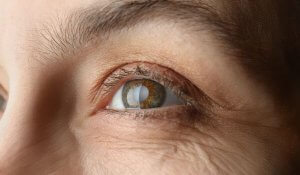
 Glaucoma is a condition that damages the connecting pathways between the light-sensitive area at the back of the eye (the retina) and the brain. This damage is usually caused by increases in the pressure inside the eye. If not treated, glaucoma can lead to slow deterioration of vision, and ultimately to blindness. According to the National Eye Institute (NEI), over 3 million people in the U.S. have glaucoma, and experts think this number will grow to 4.2 million by 2030. Worldwide, January is marked on calendars as National Glaucoma Awareness Month, as a way of raising awareness about this potentially serious condition.
What makes the issue even more concerning is that nearly half of the people who have developed the condition aren’t even aware of it. Glaucoma is often called “the silent thief of sight” because it gives no early warning signs, and once vision is lost, it cannot be restored. People can lose up to 40% of their vision before they even realize something is wrong.
Glaucoma is an age-related condition, since the risk increases with the passage of the years. As more people are living longer, the general risk of blindness from glaucoma is increasing. Regular eye exams are the key to protecting vision and catching the disease early. The World Health Organization estimates that nearly twelve million people worldwide suffer from moderate to severe vision loss or blindness caused by conditions like glaucoma, diabetic retinopathy, and trachoma, many of which could have been prevented.
Raising awareness of glaucoma is socially responsible action
In the United States, it’s estimated that about 9% to 12% of all people with total vision loss (120,000 people) have lost their vision due to glaucoma. In too many cases, the silent nature of the onset of glaucoma left their condition untreated for too long, and that’s what makes raising awareness about glaucoma so important.
There are several national organizations that specialize in spreading helpful information about glaucoma:
- Learn about the condition from resources like the website glaucoma.org, and share what you have learned with others who want to know more.
- Follow the Glaucoma Research Foundation on social media platforms like Facebook, X (formerly Twitter), or Instagram to stay updated on research and treatments. Share posts to educate others about glaucoma.
Every effort helps support awareness and education about this condition.
About glaucoma
Glaucoma is an eye condition that slowly causes vision loss, often without any warning signs. When the eye’s drainage system is blocked, fluid can build up, which causes pressure inside the eye to increase, damaging the optic nerve. Over time, this damage leads to deteriorating vision, like blurry images, blind spots, glare, and difficulty seeing in low light.
Catching it early is the key to preventing it from getting worse. Glaucoma can’t be cured at present, but treatments like drugs or surgery can help by slowing it down or stopping further vision loss. The best treatment depends on the type of glaucoma and other factors.
Types of Glaucoma
There are two main types of glaucoma:
- Primary glaucoma usually does not appear to have a clear cause, and can develop as open-angle glaucoma or closed-angle glaucoma.
- Open-angle refers to the angle between the iris and the cornea, through which fluids drain out of the anterior chamber. Even though the angle remains open, the drainage canals slowly become clogged, leading to increased eye pressure and slowly damaging the optic nerve. People often don’t notice any change in their vision until the damage is significant. This condition is lifelong and incurable.
- Closed-angle glaucoma occurs when the front of the eye bulges forward suddenly to narrow or completely block the drainage angle formed by the iris and the cornea. In an acute attack, the intraocular pressure can rise quickly, causing severe eye pain, nausea, red eyes, and blurred vision. Closed-angle glaucoma is an emergency that requires immediate attention to prevent blindness.
- Secondary glaucoma is caused by something specific, like an injury, or another health condition, or from the side effects of medications. Eye injuries can happen from physical trauma, or after surgery or laser treatments. These injuries can damage the eye or the areas around it, resulting in stretching or scarring of the drainage system. In some cases, blood or small objects can get stuck in the drainage system, making it harder for the eye to drain fluid properly. These can cause too much fluid to build up in the eye. Anyone who has had an eye injury should have a test called a gonioscopy to check if the drainage system is working correctly.
Some diseases that affect other parts of the body can also impact the eyes. Autoimmune conditions such as rheumatoid arthritis, Graves’ disease, psoriasis, and multiple sclerosis can cause inflammation, which may lead to drainage problems in the eye. Steroid medications that are often used to treat autoimmune or inflammatory conditions can also affect the eye’s drainage system, especially if used for more than a few weeks.
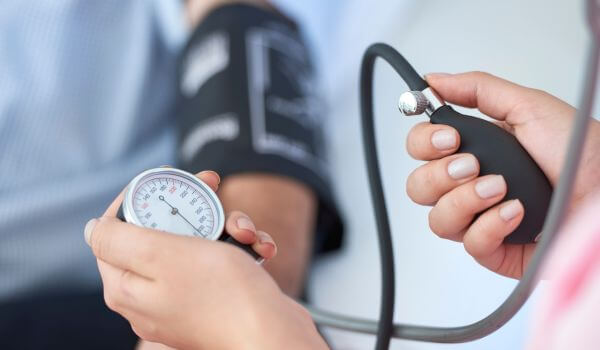
Diabetes, high blood pressure, and other heart-related problems don’t directly cause glaucoma. However, if these conditions are uncontrolled, abnormal blood vessels can grow into the eye and block its drainage system. This can cause very high eye pressure, which may lead to rapid vision loss if not treated quickly. Symptoms to watch for include blurred vision, red eyes, eye pain, and headaches. People with these conditions should have a dilated eye exam yearly to check for any issues.
Who is at risk for glaucoma?
Glaucoma can affect anyone. While it is more common in people over 45, there is a rare type called early-onset glaucoma that can develop in babies and children. Some groups are more likely to develop glaucoma, including:
- African Americans over 40
- People over 60, particularly Mexican-Americans
- Those with a family history of the disease
Diagnosing glaucoma
Glaucoma diagnosis usually involves a few quick, painless, and noninvasive tests that help eye doctors detect and monitor the disease. An angle exam checks where the cornea and iris meet to see if the eye’s drainage system is open or blocked. Corneal thickness measurement determines the risk for glaucoma, while a dilated eye exam allows the doctor to examine the retina and optic nerve for damage. An eye pressure check measures pressure inside the eye, a key sign of glaucoma. Optic nerve imaging captures detailed pictures of the retina and optic nerve to assess any changes. Lastly, a visual field test checks for vision loss in certain areas and tracks how glaucoma is progressing. Together, these tests help doctors identify the condition early and decide on the best way to treat glaucoma.
The most important thing is to not ignore early warnings. Many people don’t realize they have glaucoma because it often has no clear warning signs. If left untreated, glaucoma can slowly cause a person to lose their peripheral (side vision) and eventually, it can also affect their central vision.
Treating glaucoma
The best way to treat glaucoma is by lowering eye pressure. Some medications do this by reducing the amount of fluid the eye produces, while others help the fluid drain out to lower the pressure. Treatment varies between individuals, so it is important for patients to consult an ophthalmologist to determine the best approach.
- Eye drops
- Open-angle glaucoma is often treated with eye drops. Examples are Vyzula, Trusopt, Lumigan, Combigan, and Simbrinza, which work to lower pressure in the eye.
- Eye drops lower eye pressure to treat glaucoma by reducing the amount of fluid made inside the eye or helping the fluid drain out more easily.
- Because glaucoma doesn’t always cause noticeable symptoms, some people might forget to use their eye drops or stop taking them altogether. However, sticking to the treatment plan and attending regular check-ups with an eye doctor is essential.
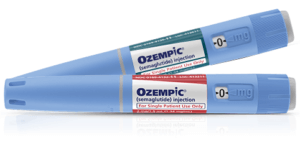
- Recent research has discovered that the new GLP-1 diabetes and weight-loss medications like Ozempic or Wegovy (semaglutide) can have beneficial effects on eye pressure. It’s still early days and further research is pending to confirm.
- Oral medications
- Diamox is an oral medication, usually taken in tablet form, that helps lower eye pressure and treat glaucoma. It is commonly used in emergency situations when eye drops are not enough to bring down high pressure inside the eye. This medication is typically a short-term solution to control very high eye pressure before more permanent treatments, like laser procedures or glaucoma surgery, can be done.
- Surgical intervention
- Lasers are commonly used to treat glaucoma to help reduce eye pressure by improving the flow and drainage of fluid within the eye. Selective Laser Trabeculoplasty (SLT) uses low-energy pulses to enhance fluid drainage and lower pressure. SLT is often recommended for patients whose eye pressure isn’t well controlled with medication, for those experiencing side effects from drops, or as an initial treatment option. While SLT doesn’t improve vision, it can effectively lower eye pressure by about 25% in most patients and lasts an average of three to four years.
- Minimally invasive glaucoma surgery (MIGS) is a newer treatment option that is transforming the way glaucoma is managed. The procedure involves tiny incisions to place microscopic devices inside the eye, aiming to reduce eye pressure and potentially lessen the need for glaucoma eye drops or more invasive surgeries.
- Trabeculectomy is a surgery used to treat glaucoma by lowering eye pressure (IOP). It works by creating a small opening in the eye’s sclera (the white part) to let fluid drain into a space under the eye’s surface (the conjunctiva), forming a “drainage bleb.” This reduces pressure inside the eye. Trabeculectomy has been a trusted treatment for severe glaucoma for over 40 years.
- Devices
- Glaucoma Drainage Devices (GDDs) are implants used to treat severe glaucoma when other treatments haven’t worked. These devices help drain excess fluid from the eye to reduce pressure.
FAQs
Do eyes look different with glaucoma?
In most cases, glaucoma does not cause any noticeable changes to the appearance of the eyes. However, in severe cases where a GDD is used, there may be a small patch or bump under the white tissue of the eye where the device is implanted. This typically does not affect vision or cause discomfort.
What activities make glaucoma worse?
No specific activities are proven to worsen glaucoma. However, several risk factors can increase your chances of developing it. These include a family history of glaucoma, being over age 60, and having conditions like diabetes or high blood pressure. Knowing these risk factors helps support early detection and better long-term eye health.
Can I still drive if I have glaucoma?
Individuals diagnosed with glaucoma should notify their local driver licensing authority, as specific guidelines or regulations may apply to driving with the condition. Generally, if glaucoma is well-managed and vision is not affected, it is possible to drive safely. However, if vision becomes significantly impaired due to glaucoma, limiting or ceasing driving may be necessary.
Is glaucoma a lifestyle disease?
Glaucoma is not typically considered a lifestyle disease, but certain lifestyle factors can contribute to its development. For instance, smoking has been associated with an increased risk of glaucoma, and quitting smoking may help reduce the chances of developing the condition.