Biologic medications are advanced treatments made from living organisms that target specific proteins or cells in the body to treat chronic diseases. Unlike traditional drugs made from chemicals, these therapies offer precise ways to manage conditions like plaque psoriasis, Crohn’s disease, and osteoporosis by blocking the underlying mechanisms that cause symptoms.
What are biologic medications and how do they differ from pills?
Biologic medications represent a significant shift in how we treat complex health issues. You can think of traditional medications, like aspirin or blood pressure pills, as simple chemical recipes. They are made in a lab using consistent chemical reactions. Biologics are different because they are produced using living cells, such as yeast, bacteria, or animal cells. This makes them much larger and more complex than standard drugs. Because they are so delicate, you usually take them as an injection or an infusion rather than a pill. Your stomach acid would break them down before they could start working.
These treatments are highly targeted. Instead of affecting your whole body, they zero in on specific parts of your immune system or bone-building process. This precision is why they are often prescribed when other treatments have not worked well enough. For many patients, these medications provide a way to manage long-term health without the broad side effects often seen with older, less specific drugs. You should always consult your doctor to see if a biologic is the right fit for your specific health profile.
How does Stelara treat autoimmune conditions?
Stelara, known by its generic name ustekinumab, is a biologic medication used to treat several inflammatory conditions. It is commonly prescribed for moderate to severe plaque psoriasis, psoriatic arthritis, Crohn’s disease, and ulcerative colitis. The primary way Stelara works is by blocking two specific proteins in your body called interleukin-12 (IL-12) and interleukin-23 (IL-23). These proteins are messengers that tell your immune system to create inflammation. In people with these conditions, the body produces too much of these messengers, leading to skin plaques or intestinal damage.
When you use Stelara, the medication binds to these proteins, preventing them from starting the inflammatory cycle. This helps clear skin lesions and reduces the painful swelling in the gut or joints. Clinical studies published by the National Institutes of Health (NIH) show that this targeted approach can lead to significant long-term remission for many patients. Because it stays in your system for a while, you often require an injection every 8 to 12 weeks after the initial doses. This schedule makes it a convenient option for those who want to avoid daily pills.
Treating Psoriasis and Psoriatic Arthritis
In patients with psoriasis, the immune system mistakenly attacks healthy skin cells. This causes cells to grow too fast and pile up on the surface. Stelara slows this process down by quieting the overactive immune signals. For those with psoriatic arthritis, the same medication helps protect the joints from permanent damage by stopping the inflammation that wears down bone and cartilage. You might notice your skin clearing up within a few weeks, though full results usually take a few months of consistent treatment.
Managing Crohn’s Disease and Ulcerative Colitis
For digestive health, Stelara works deep within the lining of the intestines. By blocking IL-12 and IL-23, it helps heal the sores and inflammation that cause pain, urgent bathroom trips, and fatigue. It is often a relief for patients who have tried other therapies without success. Maintaining a steady schedule is vital here to prevent flare-ups and maintain your quality of life.
How does Prolia help with bone health?
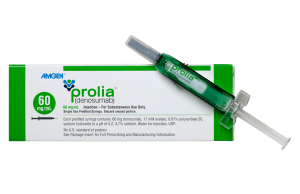
Prolia, or denosumab, is a biologic medication specifically designed to treat bone loss. It is most often used for postmenopausal women with osteoporosis who are at high risk for fractures. It is also used for men with osteoporosis or people losing bone density due to certain cancer treatments. Unlike Stelara, which targets the immune system, Prolia targets a protein called RANKL. This protein is what tells your body to break down old bone. While breaking down bone is a natural process, osteoporosis happens when your body breaks down bone faster than it can replace it.
Prolia acts like a shield. It stops the RANKL protein from activating the cells that eat away at your bones. By doing this, it allows your bone-building cells to catch up, leading to higher bone mineral density and stronger bones. According to the FDA, Prolia has been shown to significantly reduce the risk of spine, hip, and other bone fractures. It is administered as a single injection once every six months by a healthcare professional, making it very easy to manage alongside other medications.
The Importance of Calcium and Vitamin D
Because Prolia changes how your body manages bone tissue, it is essential to have enough calcium and vitamin D in your system. Without these nutrients, your blood calcium levels can drop too low. Your doctor will likely recommend supplements to support the treatment. Staying active with weight-bearing exercises also helps maximize the benefits of the medication and keeps your skeleton strong.
What are the main differences between Stelara and Prolia?
| Feature | Stelara | Prolia |
|---|---|---|
| Generic Name | Ustekinumab | Denosumab |
| Main Use | Psoriasis, Crohn’s disease, ulcerative colitis, psoriatic arthritis | Osteoporosis and bone loss |
| Target | IL-12 and IL-23 proteins | RANKL protein |
| Dosing | Injection every 8 to 12 weeks | Injection every 6 months |
| System Affected | Immune system | Skeletal system |
Although both medications are biologics, they solve very different problems. Stelara is an immunosuppressant. It tells an overactive immune system to calm down. Prolia is a bone metabolism regulator. It tells the body to stop breaking down bone too quickly. You would not use one in place of the other. A doctor chooses between them based on whether your issue is inflammation or bone density.
They also differ in how they are monitored. With Stelara, doctors watch for signs of infection because it changes your immune response. With Prolia, doctors monitor calcium levels and dental health because of its effects on bones. Understanding these differences helps you ask better questions during your medical appointments and ensures you know what to expect from your treatment plan.
What should patients know before starting a biologic?
Starting a biologic medication requires a thorough health check. Since these drugs can affect your body’s defense systems or bone remodeling, your doctor needs to know your full medical history. Before using Stelara, you may be tested for tuberculosis (TB) because the medication can reactivate old infections. You should also tell your doctor if you have any signs of a current infection, such as a fever or cough. For Prolia, a dental check-up is often recommended before the first dose to lower the risk of jaw-related side effects.
Storage is another key factor. Many biologics must be kept refrigerated. If you are ordering them online or traveling with them, you need to ensure they stay at the right temperature. Never shake a biologic syringe, as this can damage the protein molecules inside. Always inspect the liquid before use and follow the specific instructions provided by your pharmacist or nurse. These steps help ensure the medication remains safe and effective when it reaches your body.
Important safety information
All biologic medications carry potential risks. Stelara may increase your risk of infections, including serious infections caused by bacteria, fungi, or viruses. You should contact your doctor immediately if you develop a persistent fever, unexplained weight loss, or severe fatigue. Do not receive live vaccines while using Stelara. Prolia can cause low calcium levels, especially in people with kidney problems. It has also been linked to rare cases of jaw bone problems and unusual thigh bone fractures.
You should never stop Prolia without speaking to your doctor, as stopping can lead to rapid bone loss and an increased risk of spine fractures. Similarly, missing doses of Stelara can lead to a return of symptoms. These medications require consistent medical supervision. Tell your healthcare provider about all other drugs, supplements, and health conditions before starting therapy. If you experience severe allergic reactions, such as trouble breathing or swelling of the face, seek emergency help right away.
How to access biologic medications through IsraelPharm
If you have a valid prescription for Stelara or Prolia, you can find these brand-name treatments through our licensed pharmacy. We understand that specialty medications can be incredibly expensive in the United States, which is why we offer price savings vs US retail costs. By choosing IsraelPharm, you benefit from secure online ordering and free home delivery on many orders, ensuring you never have to worry about local stock issues or insurance hurdles. Our team provides a licensed pharmacy experience with the convenience of direct shipping to your door. Order your refill of biologic medications like Stelara and Prolia at IsraelPharm today.
Frequently Asked Questions
How long does it take for Stelara to start working?
Most patients begin to see improvements in their skin or digestive symptoms within 4 to 8 weeks after the first injection. However, the maximum benefit of the medication usually occurs after the second or third dose as the drug reaches a steady level in your body. Your doctor will monitor your progress closely during these first few months to ensure the treatment is effective.
Can I stop taking Prolia if my bone density improves?
Stopping this medication requires careful medical supervision because the bone-protecting effects wear off quickly once you miss a dose. If you stop treatment without a transition plan, your risk of vertebral fractures can increase significantly as bone turnover rapidly returns to its previous state. Always talk to your healthcare provider before deciding to end your treatment cycle for any reason.
Why must biologic medications be kept in the refrigerator?
These drugs consist of delicate proteins that can break down and lose their effectiveness if they are exposed to heat or direct light. Keeping them at a consistent cold temperature ensures the molecular structure remains intact until the moment of injection. You should always follow the specific storage instructions provided by the pharmacist to maintain the safety and potency of your medication.
Is Stelara safe to use during pregnancy?
Deciding to use this medication while pregnant involves a careful discussion with your doctor about the risks of the drug vs the risks of an untreated flare-up. While limited data suggest it may be used if necessary, biologics can cross the placenta, especially during the third trimester. Your medical team will help you weigh the benefits of keeping your condition stable against any potential impact on the developing baby.
Does Prolia cause jaw bone problems?
A rare but serious condition called osteonecrosis of the jaw has been reported in a small number of people using bone-strengthening medications. This risk is generally higher for patients undergoing invasive dental work or those with poor oral hygiene. You should have a dental exam before starting treatment and inform your dentist that you are taking a biologic for bone health.
Can I get vaccines while taking biologic medications?
Most doctors recommend avoiding live vaccines while you are on these treatments because the medication can lower your body’s ability to fight off even weakened viruses. Inactivated or “killed” vaccines, like the standard flu shot, are generally considered safe and encouraged for patients on biologics. It is to complete any required vaccinations before you begin your first dose of the medication.
What happens if I miss a dose of Stelara?
Missing a scheduled injection can lead to a return of inflammatory symptoms and may increase the chance of your immune system developing a resistance to the drug. You should contact your healthcare provider or pharmacist immediately to determine the way to get back on your dosing schedule. Consistent timing is a highly effective way to keep your chronic condition in a state of remission.
Glossary
Biologic medications: Advanced drugs derived from living sources, like cells or proteins, to treat complex diseases with high precision.
Bone density: A measurement of the amount of mineral content within a segment of bone, which indicates its overall strength.
Bone metabolism regulator: A type of medication that controls the natural bodily process of breaking down and rebuilding bone tissue.
Bone remodeling: The continuous natural process where old bone tissue is removed and new bone tissue is subsequently formed.
Bone turnover: The rate at which the body naturally breaks down old bone and replaces it with new tissue.
Cartilage: The flexible connective tissue that cushions the ends of bones within joints, allowing for smooth, pain-free movement.
Clinical studies: Research investigations involving human participants that are designed to evaluate the safety and effectiveness of new medical treatments.
Crohn’s disease: A chronic inflammatory bowel disease that causes inflammation and irritation anywhere along the digestive tract lining.
Denosumab: The generic name for Prolia, a biologic drug used to treat bone loss and prevent fractures.
FDA (Food and Drug Administration): The U.S. government agency responsible for protecting public health by regulating medical drugs, devices, and food.
Immunosuppressant: A type of medication that reduces the activity or overall effectiveness of the body’s natural defense system.
Inactivated vaccines: Immunizations containing killed viruses or bacteria that cannot cause disease but still trigger an immune response.
Infusion: A medical procedure where fluids or medications are administered directly into a patient’s vein over a period of time.
Injection: A method of administering medication by using a needle and syringe to deliver it into the body.
Interleukin-12 (IL-12) and Interleukin-23 (IL-23): Specific proteins in the immune system that signal the body to create inflammation, contributing to autoimmune diseases.
Live vaccines: Immunizations containing a weakened form of a living virus or bacteria to stimulate a strong immune response.
NIH (National Institutes of Health): The primary U.S. agency responsible for conducting and supporting biomedical and public health research for the nation.
Osteonecrosis of the jaw: A rare but serious condition involving the severe loss or death of bone tissue in the jawbone.
Osteoporosis: A medical condition characterized by weakened, brittle bones that become more susceptible to fractures and breaks.
Placenta: A temporary organ that develops in the uterus during pregnancy to provide oxygen and nutrients to the fetus.
Plaque psoriasis: A chronic autoimmune condition causing red, inflamed, and scaly patches to form on the skin’s surface.
Postmenopausal: The period in a woman’s life that begins after menstruation has naturally stopped for twelve consecutive months.
Prolia: The brand name for denosumab, a biologic medication used to treat osteoporosis by preventing bone loss.
Proteins: Large, complex molecules that perform a vast array of critical functions within the cells of living organisms.
Psoriatic arthritis: A form of arthritis that affects some people with psoriasis, causing joint pain, stiffness, and swelling.
RANKL: A type of protein that signals cells to break down bone tissue as part of the body’s natural remodeling process.
Remission: A period during which the signs and symptoms of a chronic disease are significantly reduced or have disappeared.
Stelara: The brand name for ustekinumab, a biologic drug used to treat inflammatory autoimmune conditions like psoriasis.
Tuberculosis (TB): A serious infectious disease caused by bacteria that primarily affects the lungs but can impact other organs.
Ulcerative colitis: A chronic inflammatory bowel disease causing long-lasting inflammation and ulcers in the large intestine’s innermost lining.
Ustekinumab: The generic name for Stelara, a biologic medication that blocks specific proteins to reduce bodily inflammation.
Vertebral fractures: Breaks or collapses in the small bones that make up the spinal column, often linked to osteoporosis.
Weight-bearing exercises: Physical activities that force the body to work against gravity, which helps to strengthen bones.
Further reading
- Mayo Clinic: Biologics for Rheumatoid Arthritis and Other Conditions
- MedlinePlus: Biologic Medicines Information
- American College of Rheumatology: Biologic Treatments
This guide is for informational purposes only. Always follow your doctor’s instructions. Contact IsraelPharm at support@israelpharm.com or 1-866-456-3768.