 Both prediabetes and diabetes are very common conditions. Studies have shown that about 38 million adults in the US have been diagnosed as diabetics, which is nearly 15% of the US adult population. Prediabetes is far more common. Reliable estimates put the numbers at just below 100 million adults in the US, although the majority of people who on or just below the borderline do not even know that they are in danger. That’s about one-third of the US adult population. Because the vast majority of people with prediabetes don’t know they have it, screening is essential.
The term “prediabetes” can be misunderstood
The term prediabetes often sounds like it refers to a mild or temporary condition, which can lead people to underestimate its importance. In reality, prediabetes is not a single condition but a broad category that reflects early changes in how the body handles glucose. These changes can appear in different ways depending on which tests are used and what underlying processes are involved.
Doctors typically rely on more than one measurement to identify prediabetes, including A1c, fasting glucose, and sometimes an oral glucose tolerance test. Each test captures a different aspect of glucose regulation. Rather than focusing only on the label itself, many healthcare providers emphasize understanding the complications of prediabetes that early changes in blood sugar can signal.
This shift in thinking helps move the conversation away from isolated numbers and toward long-term health protection.
How prediabetes is diagnosed
Prediabetes is identified using specific laboratory thresholds that reflect increased metabolic risk. One commonly used test is the A1c, which estimates average blood glucose levels over several months. The prediabetes range of A1c levels is defined as between 5.7% and 6.4%.
Other diagnostic markers focus on how the body manages glucose in different situations:
- impaired fasting glucose, defined as a fasting plasma glucose between 100 and 125 mg/dL
- impaired glucose tolerance, defined as a 2-hour glucose value of 140 to 199 mg/dL after a glucose drink
Each measure reflects a different physiological process. Because of this, doctors often look for patterns across multiple tests rather than relying on a single result. This broader view provides a clearer picture of risk and helps guide further evaluation.
Screening patients before they begin to experience any symptoms of high glucose is an essential part of current strategies. There are two main screening options being used in the U.S.:
- Adults aged between 35 and 70 who are overweight or obese should be screened, as laid out in the US Preventive Services Task Force (USPSTF) recommendation
- The American Diabetes Association (ADA) recommends that all adults 35 years or older be screened, and that adults under age 35 be screened if they are overweight or obese plus at least one additional risk factor, such as:
- Having a first-degree relative with diabetes
- Being a member of a known high-risk ethnicity or race
- Having a history of:
- cardiovascular disease, hypertension, metabolic dyslipidemia with low HDL or high triglycerides
- a history of gestational diabetes
- PCOS
- physical inactivity.
Why emphasizing the increased risk of other complications helps patients understand
Simply stating that blood sugar is “a little high” rarely conveys why prediabetes matters. A more effective approach focuses on explaining the prediabetes risks associated with ongoing glucose instability.
People may already be aware that prediabetes is linked to a higher likelihood of developing type 2 diabetes later, but what really matters is not just current glucose levels alone. Research shows strong associations between prediabetes and long-term conditions such as:
- cardiovascular disease
- chronic kidney disease
- fatty liver (steatotic liver disease)
- heart failure with preserved ejection fraction
Thinking about prediabetes through the filter of metabolic health helps people understand that early intervention is about protecting the heart, kidneys, and liver, not just preventing a future diabetes diagnosis.

Not all cases of prediabetes are the same
Most occurences of prediabetes are caused by insulin resistance, but this is not always the case. Recognizing different underlying causes is important for understanding risk and progression.
Some individuals may have early autoimmune changes consistent with pre-type 1 diabetes, especially when there is a personal or family history of autoimmune disease. Others may develop prediabetes related to pancreatic conditions, such as prior pancreatitis, where insulin production is impaired rather than resisted.
Hormonal conditions can also play a role. Excess cortisol exposure, including Cushing syndrome or mild autonomous cortisol secretion, and disorders like acromegaly can all contribute to abnormal blood glucose levels (dysglycemia). Identifying these drivers helps ensure that prediabetes is seen in context rather than treated as a one-size-fits-all condition.
How doctors evaluate risks beyond use of A1c testing
While A1c is a useful screening tool, it does not capture the full picture. Fasting glucose testing helps clarify overnight glucose regulation, while post-meal testing highlights how the body responds to carbohydrate intake.
Impaired glucose tolerance, in particular, has been shown to predict prediabetes complications more strongly than fasting abnormalities alone. This is one reason some healthcare providers use oral glucose tolerance testing when results are borderline or when A1c reliability is uncertain.
The goal of this testing strategy is not simply to label a condition but to better understand long-term risk and guide early intervention for prediabetes.
Discussing prediabetes with the doctor
Consultations about prediabetes are often more productive when they focus on long-term risks rather than short-term numbers. Simple, proactive questions can help guide these discussions.
- What complications is the patient at risk for?
- Would additional glucose testing help clarify the risk?
- How can long-term cardiometabolic risk be reduced?
These discussions should always take place with a qualified healthcare provider, who can interpret test results in the context of overall health and personal risk factors.
Medication that are known to lower the risk of progression to full diabetes
Several medications are known to reduce the risk of preventing diabetes progression in people with prediabetes. Metformin is the most commonly discussed option and has a long history of use in reducing diabetes risk in certain populations.
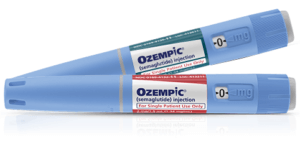
Other medications, including Actos (pioglitazone) at lower doses, and newer drug classes such as GLP-1 receptor agonists (Ozempic, Wegovy, semaglutide, Mounjaro, Zepbound, tirzepatide), have also demonstrated meaningful reductions in diabetes progression in clinical studies. These medications may additionally support heart health and blood sugar by improving weight, insulin sensitivity, or cardiovascular risk markers.
Medication decisions depend on individual health factors and must always be made in consultation with a healthcare provider.
Many patients who manage chronic conditions related to prediabetes (like high cholesterol, elevated blood pressure, or fatty liver) often work with their healthcare providers to find the right ongoing treatment plan. For people who need to fill long-term prescriptions, IsraelPharm provides transparent pricing and a secure and discrete home delivery option for most commonly prescribed medications, both brand-name and generic, all at much lower prices than standard U.S. retail.
Take away – lifestyle matters, so it pays to pay attention
Lifestyle changes remain one of the most powerful tools for addressing prediabetes. Weight loss, improved nutrition, and physical activity all reduce the risk of future complications.
Importantly, these efforts are not just about lowering glucose values. They are about protecting long-term health and reducing the likelihood of cardiovascular disease, liver disease, and kidney problems.
Prediabetes is not simply a blood sugar label. A complications-based approach provides clearer motivation and a better understanding of why early attention can make a meaningful difference over time.
Frequently asked questions about prediabetes
Can prediabetes go away on its own?
Prediabetes does not usually resolve without changes in lifestyle or thanks to medical intervention. Blood sugar regulation reflects underlying metabolic processes, which tend to worsen over time if left unaddressed. Studies show that lifestyle changes and, in some cases, medication can significantly reduce the risk of progression. This is why early recognition and follow-up with a healthcare provider are important.
Is prediabetes already causing damage?
Even before full-blown diabetes develops, prediabetes can be associated with subtle changes in cardiovascular, kidney, and liver health. These effects may not cause symptoms but can increase long-term risk. Addressing prediabetes early helps reduce the likelihood that these silent changes progress into more serious complications.
Why do some people with prediabetes still have normal fasting glucose levels when tested?
Some individuals primarily struggle with post-meal glucose control rather than fasting levels. In these cases, impaired glucose tolerance may be present despite normal fasting results. This highlights why relying on a single test can miss important risk signals.
Does everyone with prediabetes need medication?
Not everyone with prediabetes requires medication. Many people can reduce risk through lifestyle changes alone. Medication may be considered when risk is higher or when other metabolic conditions are present. These decisions should always be made with a healthcare provider.
How often should prediabetes be monitored?
Monitoring frequency varies depending on risk factors and test results. Many healthcare providers reassess glucose measures annually or more often when changes are being made. Regular follow-up helps track trends and supports long-term prevention efforts.