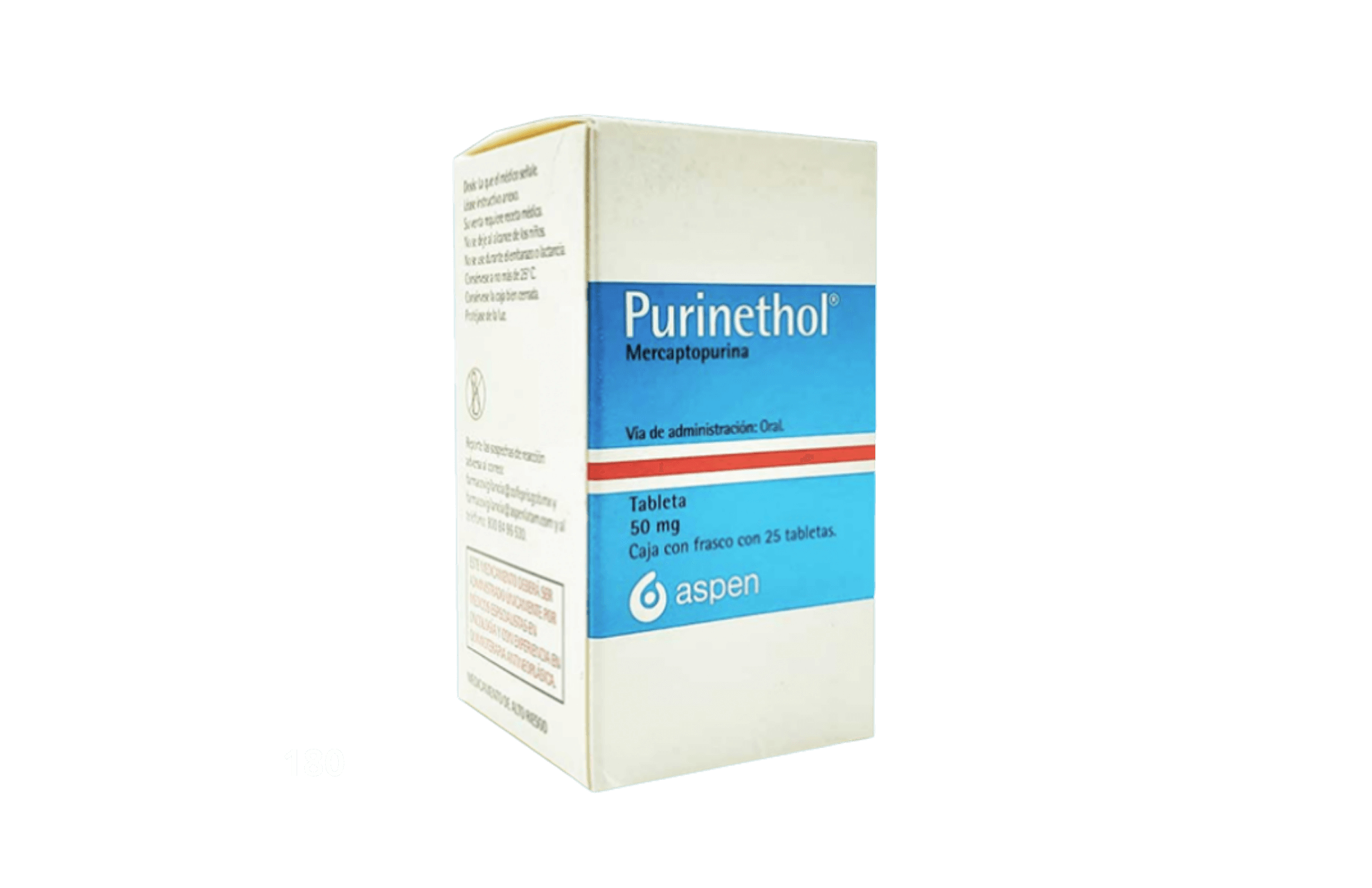
What is Purinethol?
Purinethol is an immunosuppressant and chemotherapy medication containing the active ingredient mercaptopurine. It is primarily used to treat specific types of cancer, particularly acute lymphocytic leukemia (ALL). The medication helps manage conditions where the body’s cells grow too quickly. It is also effective for certain autoimmune diseases. Purinethol requires a prescription and careful medical supervision. Regular monitoring helps ensure the treatment is both safe and effective for the patient.
How does Purinethol work?
Purinethol works by interfering with the production of DNA in rapidly dividing cells. As a purine antimetabolite, it mimics natural substances that cells need to create new genetic material. When cancer cells or overactive immune cells absorb Purinethol, it blocks their ability to multiply. This action slows the progression of leukemia. It also reduces the inflammation caused by autoimmune disorders like Crohn’s disease. This process helps restore normal function and control symptoms.
Who is Purinethol for?
Purinethol is prescribed for patients diagnosed with acute lymphocytic leukemia (ALL). It is a key part of many chemotherapy treatment plans for this condition. Doctors also prescribe it for individuals with severe inflammatory bowel disease. This includes Crohn’s disease and ulcerative colitis. It is often used when other treatments have not been effective enough. In some cases, it may be used off-label for other autoimmune conditions. This decision is made by a healthcare provider based on the patient’s needs.
Dosage and administration
Purinethol is taken orally as a tablet, and the dosage depends on the condition being treated. Your doctor determines the correct dose based on your weight and medical needs. The tablets are usually taken once a day. You should take them at the same time each day to maintain consistent levels in your body. It can be taken with or without food, but consistency is important. Follow your doctor’s instructions exactly. Do not change your dose without medical advice. Regular blood tests are necessary to monitor your body’s response.
Side effects
Purinethol may cause side effects, though not everyone experiences them. Common side effects include nausea, vomiting, and loss of appetite. Some people may also experience diarrhea, fatigue, or a skin rash. A more serious side effect is a lowered blood cell count. This can increase your risk of infection, bruising, or bleeding. It can also cause liver problems in some patients. You should report any persistent or severe side effects to your doctor immediately. They will monitor your health closely during treatment.
Why buy from IsraelPharm?
IsraelPharm offers a reliable and convenient way to purchase your essential medications like Purinethol. We are committed to providing affordable access to authentic, high-quality drugs sourced from trusted manufacturers. Our easy-to-use online platform simplifies the ordering process. We provide discreet packaging and direct shipping to your home. Our customer service team is available to assist you with any questions. We help you manage your treatment with confidence and ease. Choose IsraelPharm for a seamless and cost-effective pharmacy experience.
Purinethol may have side effects. Not everyone will experience them. Always consult your doctor.
Common Side Effects:
- Nausea or vomiting
- Loss of appetite
- Diarrhea
- Fatigue or weakness
- Skin rash
- Hair thinning
Serious Side Effects:
- Lowered blood cell counts (risk of infection, bleeding)
- Signs of liver problems (yellowing skin/eyes, dark urine)
- Unusual growths or lumps on the skin
- Severe stomach pain