

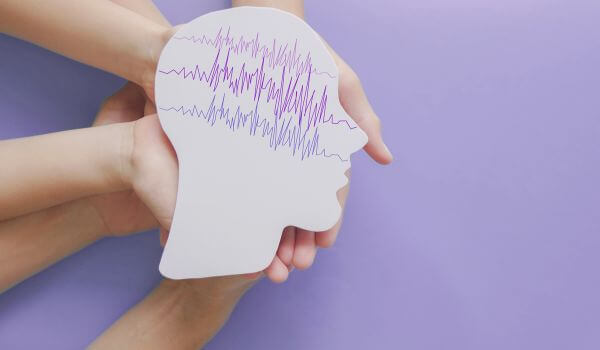
Epileptic seizures happen when the normal electrical activity in a person’s brain surges in a sudden, uncontrolled way. People who have epileptic seizures can experience different types of seizures ranging from brief “absences” to intense tonic-clonic seizures during which they may temporarily lose consciousness, jerk parts of their bodies uncontrollably, and clench their jaws, sometimes even biting their tongues.
There are several phases of a seizure, during which people may feel that they are drifting away from the current environment, have visual disturbances (auras), be unable to speak, and if it progresses into a full seizure, fall down, lose consciousness and only slowly regain control of their senses after several hours.
Managing seizures is not just about taking medication. It’s about understanding what can trigger a seizure (smells, memories, flashing lights), how best to manage the person’s body while they are unconscious and jerking, and how to support them mentally and physically when the seizure has passed. People who are subject to epileptic seizures need full-time support and monitoring, and doctors usually draw up a detailed plan with treatment strategies to reduce the frequency and severity of seizures.
There are no complete cures for epilepsy, so the basic strategy is to minimize the number of seizures and to limit any possible physical and psychological damage when seizures do occur. Family and friends should also learn how to help during episodes, which can be lifesaving.
Breaking down the myths about epileptic seizures
In times past, there was a social stigma attached to people who experienced seizures, and they may even have been regarded as being mentally defective, or even insane. Fortunately, progress in public education, and improvements in treatments, have somewhat reduced that negative image, but people who do experience seizures can still feel that they are something other than “normal”, which makes emotional support from healthcare providers, family and friends just as important as treatment and medications.
Step by step through an epileptic seizure
A seizure often follows a pattern. A person may first experience early signs such as an aura or a sense that something feels “off.” Awareness may fade or become impaired. Jerking or twitching movements can begin. In some cases, the person may fall and lose consciousness. Afterward, there may be confusion, tiredness, and difficulty speaking or thinking clearly. Recovery can take minutes or several hours depending on the type of seizure.
Different types of seizures
Tonic clonic seizures
These seizures involve stiffening of the body followed by rhythmic jerking movements. A person may lose consciousness. Breathing changes may occur. After the seizure, the person may feel tired or confused. These are often the seizure type most recognized by others.
Focal seizures
These begin in one specific part of the brain. A person may remain aware or awareness may be impaired. Movements or sensations may affect only one side of the body. Speech or thinking may be disrupted during the event.
Absence seizures
Absence seizures are very brief episodes where a person may appear to “stare off” or pause. They often last only a few seconds. Movements are minimal, such as blinking. Awareness returns quickly.
Recurrent seizures
When seizures continue to occur over time, the pattern may be shaped by triggers, sleep, illness, or stress. Recurrent seizures may indicate epilepsy and require long-term management.
What can trigger a seizure?
Common triggers include lack of sleep, illness, stress, bright flashing lights, alcohol, drug use, missed medication doses, and hormonal changes. Dehydration, caffeine, and irregular meals may also increase the chance of a seizure. Tracking patterns can help identify triggers and reduce seizure frequency.
What to do when a seizure occurs?
Be of immediate assistance
Stay with the person. Keep them safe by moving objects away. Turn them gently onto their side if possible. Do not restrain movement and do not put anything in their mouth.
Get professional help
Call emergency services if a seizure lasts more than 5 minutes, repeats, or if the person does not wake up. Seek care at an epilepsy center when seizures are hard to control.
Post-seizure treatment
Allow rest and recovery. Confusion is common. Assistance may include reassurance and monitoring breathing and awareness.
How to help a person live with epilepsy
Support includes learning seizure first aid, reducing known triggers, maintaining routines, and encouraging communication about needs and feelings. Caregivers should also care for their own well-being.
Medications to control and reduce epileptic seizures
Anti-seizure medications are the most common treatment and help many people reduce or stop seizures. If medications do not work, treatment options include surgery, neurostimulation devices, or dietary therapies such as the ketogenic or modified Atkins diet. Treatment choice depends on seizure type and response over time.
| Brand name | Key Benefits |
US Retail Price (per tablet) |
IsraelPharm Price |
| Keppra (Levetiracetam) | Works for a broad range of seizure types Fast to dose and easy to adjust Often well-tolerated physically |
1000 mg – $24.33 500 mg – $13.33 |
1000 mg – $3.13 500 mg – $1.35 |
| Lamictal (lamotrigine) | Helps control focal and generalized seizures
Has a stabilizing effect on mood Often weight-neutral and cognitively gentle |
200 mg – $15.00 100 mg – $13.50 |
200 mg – $2.20 100 mg – $2.20 |
| Topamax (topiramate) | Effective for generalized and focal seizures
Also used to treat migraines, so it may help people who have both Often associated with weight loss, which may be a benefit for some |
200 mg – $26.77 100 mg – $21.48 |
200 mg – $3.13 100 mg – $1.35 |
| Depalept (valproic acid) | One of the most comprehensive seizure-control medications
Works particularly well for generalized seizure disorders Also helpful in bipolar disorder and migraine prevention |
500 mg – $9.17 500 mg ER – $7.78 |
500 mg – $0.53 500 mg ER – $0.80 |
| Carbatrol (carbamazepine) | Particularly effective for focal seizures
Has a long history of predictable seizure control Also used to treat trigeminal neuralgia and some mood symptoms |
300 mg Slow Release – $2.25 |
300 mg Slow Release – $0.38 |
| Trileptal (oxcarbazepine) | Designed to be a gentler modern alternative to carbamazepine
Fewer drug interactions than carbamazepine Well-suited for focal seizures |
600 mg – $23.08 300 mg – $12.63 |
600 mg – $1.20 300 mg – $1.24 |
| Briviact (brivaracetam) | Very similar to levetiracetam, but may be better tolerated emotionally
Works for focal seizures Can be added on when other medications need reinforcement |
100 mg – $29.60 50 mg – $28.93 |
100 mg – $4.88 50 mg – $4.18 |
| Zonegran (zonisamide) | Works for focal seizures
May assist with weight loss in some patients Once-daily dosing is more convenient |
100 mg – $22.58 25 mg – $21.43 |
100 mg – $3.73 25 mg – $2.79 |
Prices are correct at the date of publication, and may be subject to change over time.
Bringing the Differences Into Focus
If there is one major takeaway, it is this:
These medications are not ranked from “mild to strong.”
They work differently, and the best choice depends on:
- Seizure type
- Personal side-effect tolerance
- Co-existing conditions like migraine or mood disorders
- Daily life patterns and what someone needs to feel functional and steady.
In practice, treatment isn’t about finding the most powerful drug—it’s about finding the one that supports the whole person, not just their seizures.
IsraelPharm is a reliable source of these and other approved medications that can be prescribed. We provide secure and discrete deliveries of branded as well as generic drugs that meet the stipulated standard for effectiveness and purity. You can read more about how these medications can help in our blog on Adjunctive therapy for partial-onset Epilepsy.
Frequently asked questions about epileptic seizures
What causes epileptic seizures?
Seizures can begin due to many factors. Some people have a genetic form of epilepsy. Others may develop epilepsy after an injury, infection, or illness affecting the brain. In some cases, the cause is unknown. The underlying issue changes how the brain’s electrical signals work. This shift can lead to sudden bursts of abnormal electrical activity, resulting in a seizure.
Can stress trigger seizures?
Stress can be a seizure trigger for many people. Emotional stress affects the body and brain. It can change hormones, muscle tension, and breathing patterns. These changes may lower the brain’s resistance to abnormal electrical activity. Stress does not cause epilepsy, but it can influence when seizures occur.
Are all seizures epilepsy?
No. Some seizures are “provoked” by illness, injury, or withdrawal from substances. These are not diagnosed as epilepsy because they have a clear temporary cause. Epilepsy is when a person has unprovoked recurrent seizures.
What is SUDEP?
SUDEP means Sudden Unexpected Death in Epilepsy. It is rare but more likely in people with uncontrolled seizures. Researchers believe SUDEP may involve breathing, heart rhythm, or brain function changes during or after a seizure. Reducing seizures is one of the most important ways to lower the risk.
Can epilepsy be cured?
There is no known cure at this time. Many people manage their seizures successfully with medication, surgery, or other treatments. Treatment goals focus on reducing seizure frequency and improving quality of life.