
Metabolic dysfunction–associated steatotic liver disease (MASLD), previously known as nonalcoholic fatty liver disease (NAFLD), is becoming one of the most common causes of chronic liver illness among adults over 40. It is strongly linked to obesity, type 2 diabetes, high blood pressure, and high cholesterol. When ignored, MASLD can progress to liver scarring, cirrhosis, and even liver cancer. The good news is that lifestyle changes, combined with targeted medications, can help control and sometimes reverse the disease.
What are the causes of metabolic dysfunction-associated steatotic liver disease (MASLD)?
MASLD occurs when too much fat accumulates in the liver, often as part of a broader metabolic imbalance. The most common triggers are:
- Obesity: Excess weight, especially around the abdomen, increases fat buildup in the liver.
- Alcohol consumption: Even moderate drinking can worsen liver stress when metabolic risk factors are present.
- Type 2 diabetes: Insulin resistance disrupts fat metabolism, promoting fatty deposits in liver cells.
- High cholesterol: Elevated triglycerides and LDL cholesterol further impair liver function.
These metabolic issues combine to cause inflammation and liver cell damage, setting the stage for long-term complications if untreated.
What are the main differences between MASLD and MASH (metabolic dysfunction-associated steatohepatitis)?
MASH is the more severe form of MASLD. While MASLD involves fat buildup without major inflammation, MASH means that the liver is actively inflamed and damaged. Over time, this inflammation can lead to fibrosis (the thickening and scarring of liver tissue) which can progress to cirrhosis. MASH is therefore the “danger zone” where early intervention becomes critical. The newly approved drug resmetirom is specifically designed for noncirrhotic MASH with moderate to advanced fibrosis.
Can MASLD be controlled by lifestyle changes?
 Yes, and for many adults, lifestyle intervention is the first and most effective line of defense. Even modest weight loss of around 5% to 10% of total body weight can reduce liver inflammation and, in some cases, reverse scarring.
Effective lifestyle measures include:
- Diet: The Mediterranean diet, rich in whole grains, vegetables, and healthy fats, has shown strong benefits for liver health. Reducing sugary drinks and processed foods helps control glucose and lipid levels.
- Exercise: Regular aerobic activity improves insulin resistance and lowers fat in the liver, even when weight loss is minimal. Combining aerobic and resistance training yields the best results.
Some individuals also turn to supplements such as the Liver Pack, which supports metabolic balance alongside medical management. Still, lifestyle modification remains the cornerstone of treatment for MASLD.
Does genetics play a part in fatty liver disease?
Genetics can strongly influence who develops MASLD and how quickly it progresses. Research shows that inherited variants in several genes, including PNPLA3, TM6SF2, and MBOAT7, affect how the liver processes and stores fat. Individuals with the PNPLA3 “G” allele are at the highest risk of progressing to MASH, fibrosis, and liver cancer.
Men are slightly more likely than women to develop severe forms, though after menopause, risk rises sharply in women. Age also plays a key role. After 40, the liver’s ability to regenerate declines, making early diagnosis even more important.
What medications can help control the progress of fatty liver disease?
While no single “fatty liver pill” exists, several classes of medications are showing real promise in managing MASLD and preventing its progression.
- Insulin sensitizers: Actos (pioglitazone) improves insulin resistance and has shown benefits in reducing liver inflammation in people with MASH. It’s often used off-label for this purpose.
- Cholesterol-lowering medications: Drugs like Lipitor, Tricor, and Liptruzet lower triglycerides and LDL cholesterol, easing strain on the liver.
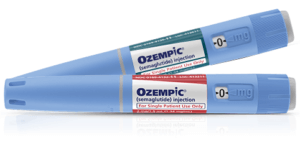
- GLP-1 receptor agonists: Injectable medications such as Ozempic and Mounjaro help reduce body fat, regulate glucose metabolism, and improve liver fat content. They are among the most promising agents for obesity-related liver disease.
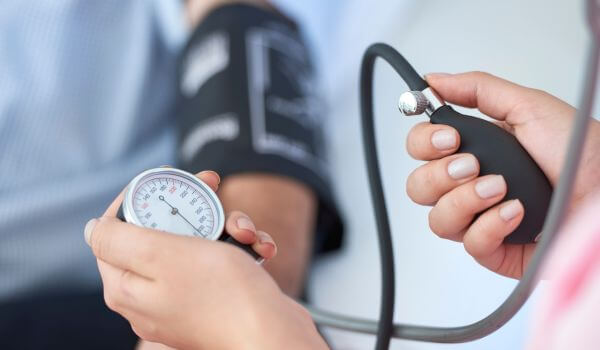
- Blood pressure control: Hypertension accelerates liver scarring, so keeping blood pressure in check with medications like Diovan, Diovan HCT, and Norvasc is key for overall metabolic health.
Combined treatment, targeting glucose (insulin and GLP-1), cholesterol, and blood pressure medications (statins), offers the best protection against liver inflammation and damage.
What happens if fatty liver disease is left uncontrolled?
Unchecked MASLD can progress silently for years, leading to irreversible liver damage. As inflammation worsens, fibrosis thickens and distorts liver architecture, resulting in cirrhosis. Once cirrhosis develops, the risk of liver failure and liver cancer increases sharply. These complications are major contributors to morbidity and mortality in older adults with metabolic disease. In addition, people with advanced MASLD face higher risks of heart disease and stroke due to overlapping metabolic dysfunctions.
For these reasons, doctors stress early intervention. Detecting and managing the disease before scarring begins can prevent most long-term complications.
Frequently asked questions about fatty liver disease
Is MASLD the same as fatty liver disease?
Yes, MASLD is the new medical term for what was previously called nonalcoholic fatty liver disease (NAFLD). The new name reflects the underlying metabolic dysfunction – factors like obesity, insulin resistance, and high cholesterol – rather than focusing on alcohol consumption. It better describes how metabolic issues drive fat accumulation in the liver.
Can losing weight reverse fatty liver?
Yes. Losing as little as 5–10% of body weight can reduce fat buildup, improve inflammation, and even reverse early liver scarring. The best approach combines a balanced diet, regular exercise, and medical supervision. People using GLP-1 medications such as Ozempic or Mounjaro often experience both weight loss and measurable liver improvement.
What foods are best for fatty liver?
The Mediterranean diet is widely recommended. It emphasizes vegetables, legumes, whole grains, nuts, olive oil, and fish while avoiding processed foods and added sugars. Coffee (in moderate amounts) may also have protective effects on the liver by reducing fibrosis progression.
Can alcohol cause MASLD?
While MASLD is primarily linked to metabolic dysfunction rather than drinking, alcohol can worsen liver damage in affected individuals. People who already have MASLD should minimize alcohol consumption to reduce the risk of inflammation and progression to cirrhosis.
Is fatty liver hereditary?
Partly, yes. Genetic variants such as PNPLA3, TM6SF2, and MBOAT7 increase the likelihood of developing fatty liver disease, particularly when combined with obesity or poor diet. However, lifestyle still plays the dominant role—maintaining a healthy weight and diet can offset much of the inherited risk.
What are the latest treatments for MASLD?
In addition to weight management and metabolic control, new drugs like resmetirom are approved for MASH with fibrosis. Researchers are also exploring therapies that target genetic pathways involved in liver fat metabolism. Pioglitazone, GLP-1 agonists, and cholesterol-lowering drugs are currently the mainstay of medical therapy for adults with MASLD.