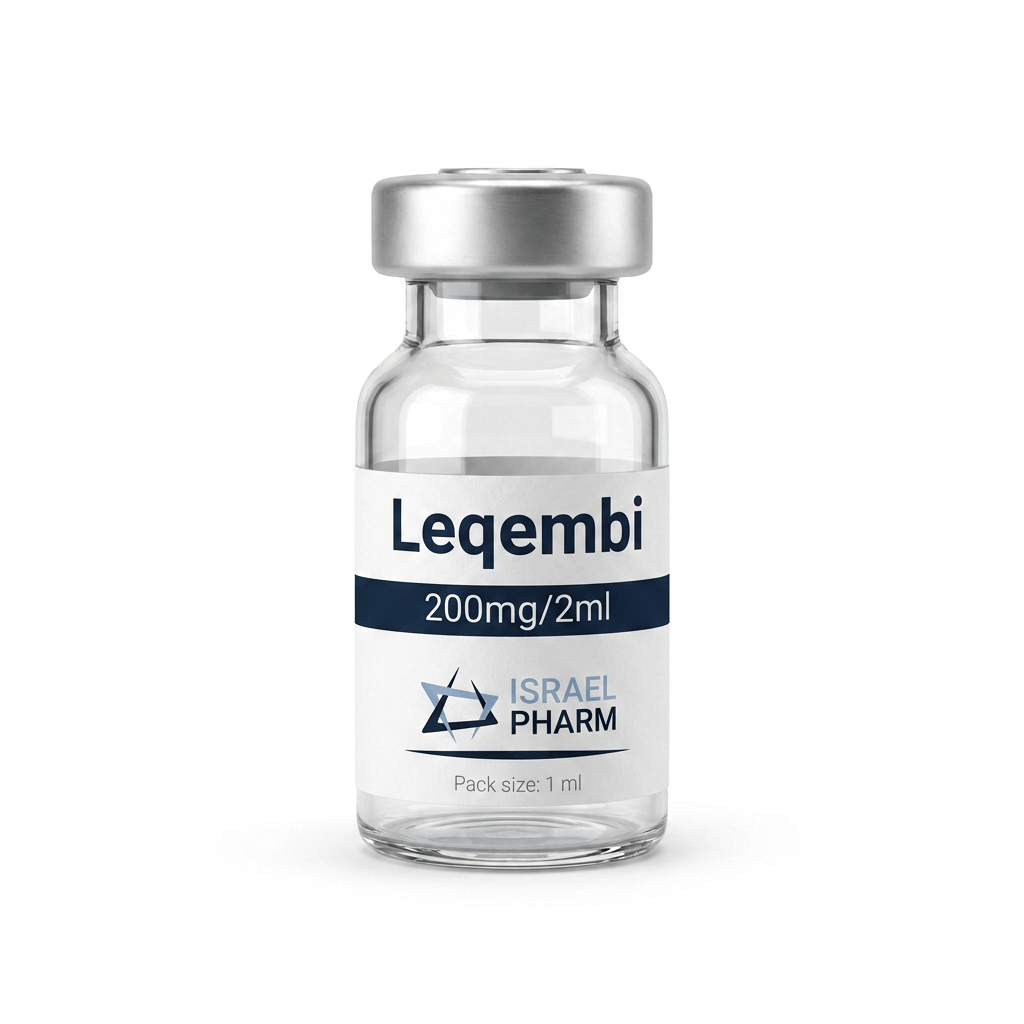
What is Leqembi?
Leqembi is an FDA-approved prescription medication for patients in the early stages of Alzheimer’s disease. It is specifically indicated for individuals experiencing mild cognitive impairment (MCI) or a mild dementia stage of the disease. Leqembi is not a cure for Alzheimer’s. However, it is one of the first treatments of its kind shown to slow the rate of cognitive and functional decline. The active ingredient, lecanemab, is a monoclonal antibody. This is a type of protein designed to target specific substances in the body. By addressing one of the underlying causes of the disease, Leqembi offers hope for preserving brain function for a longer period. It represents a significant advancement in Alzheimer’s therapy.
How does Leqembi work?
Leqembi works by targeting and removing a protein called amyloid-beta from the brain. In Alzheimer’s disease, this protein clumps together to form sticky plaques. These plaques disrupt communication between brain cells and lead to cell death. This process contributes directly to the cognitive and memory decline seen in patients. Leqembi is a monoclonal antibody that binds to these harmful amyloid aggregates. It helps to clear both soluble and insoluble forms of amyloid from the brain. This action helps slow the damage caused by the disease. Regular treatment can reduce the overall plaque burden. This helps to preserve cognitive function and slow the progression of symptoms over time.
Who is Leqembi for?
Leqembi is for patients who have been diagnosed with early Alzheimer’s disease. This includes individuals with mild cognitive impairment (MCI) or those in the mild dementia stage. A doctor must confirm the presence of amyloid plaques in the brain before starting treatment. This is usually done through a PET scan or by analyzing cerebrospinal fluid. The medication is intended for those who are starting to show clear symptoms but are not yet in the advanced stages of the disease. It is not suitable for preventing Alzheimer’s or for treating later-stage dementia. Patients and their caregivers should discuss whether Leqembi is an appropriate treatment option with their neurologist or specialist.
Dosage and administration
Leqembi dosage and administration are handled by a healthcare professional in a clinical setting. The medication is given as an intravenous (IV) infusion. This means it is slowly dripped into a vein, usually in your arm. The process typically takes about an hour to complete. Patients generally receive an infusion once every two weeks. Your doctor will monitor your health closely throughout the treatment period. This includes regular MRI scans of your brain. These scans are necessary to check for potential side effects like amyloid-related imaging abnormalities (ARIA). Always follow the schedule and instructions provided by your healthcare team.
Side effects
Leqembi may cause side effects, some of which can be serious. The most common side effects are related to amyloid-related imaging abnormalities, or ARIA. These are changes in the brain seen on MRI scans. ARIA can involve temporary swelling (ARIA-E) or small spots of bleeding (ARIA-H). Many people with ARIA have no symptoms. However, some may experience headache, confusion, dizziness, vision changes, or seizures. Other common side effects include infusion-related reactions. These can cause fever, chills, nausea, and flu-like symptoms. Headache and falls are also possible. Your doctor will monitor you for these side effects throughout your treatment.
Why buy from IsraelPharm?
Buying Leqembi from IsraelPharm provides a reliable and cost-effective option for your treatment needs. We are dedicated to sourcing medications from trusted manufacturers, ensuring you receive authentic and high-quality products. Our team of experienced pharmacists is available to answer your questions. We help you understand your medication and how to use it safely. We handle specialized shipping requirements, including cold chain logistics for sensitive drugs like Leqembi. By managing our operations efficiently, we can offer competitive pricing that helps reduce your financial burden. Trust IsraelPharm for professional service and access to the medications you need.
Leqembi can cause side effects. It’s important to be aware of them before starting treatment.
Most Common Side Effects:
- Infusion-related reactions (fever, flu-like symptoms, nausea, vomiting)
- Headache
- Cough
- Diarrhea
Serious Side Effects:
The most important serious side effect is Amyloid Related Imaging Abnormalities (ARIA). Your doctor will monitor for this with regular MRI scans.
- ARIA-E: Brain swelling or edema.
- ARIA-H: Brain bleeding or microhemorrhages.
- Symptoms of ARIA can include headache, confusion, dizziness, vision changes, or seizures. However, many cases have no symptoms.
- In rare cases, severe allergic reactions may occur.
Leqembi is primarily indicated for the treatment of Alzheimer’s disease in its early stages. This includes:
- Patients with Mild Cognitive Impairment (MCI) due to Alzheimer’s disease.
- Patients with mild dementia due to Alzheimer’s disease.
Treatment should only be started after a doctor has confirmed the presence of amyloid pathology in the brain.