
Navigating the changes that come with perimenopause and menopause can feel like learning a new language for your own body. One of the most common, yet least discussed, topics involves the connection between hormones and vaginal health. As our bodies transition, shifting hormone levels can lead to noticeable changes in vaginal comfort and function. Understanding what’s happening, and why, is the first step toward finding relief and feeling like yourself again. Support your vaginal health, and you’ll start to feel like the old you again.
The crucial link between hormones and vaginal health
The vaginal environment is a finely tuned ecosystem, and hormones, particularly estrogen, are its primary architects. Estrogen is responsible for maintaining the thickness, elasticity, and lubrication of the vaginal walls. It also helps support a healthy vaginal microbiome, the community of beneficial bacteria that produce lactic acid. This process keeps the vaginal pH acidic, which naturally protects against infections.
During perimenopause and menopause, estrogen levels decline significantly. This drop can disrupt the entire system, leading to a condition now known as Genitourinary Syndrome of Menopause, or GSM. It’s a term that better describes the full range of symptoms affecting the vagina, vulva, and urinary tract during this life stage.
What is Genitourinary Syndrome of Menopause (GSM)?
If you’ve noticed symptoms like vaginal dryness, itching, or a burning sensation, you are not alone. These are hallmark signs of GSM. As estrogen decreases, the vaginal tissues can become thinner, more fragile, and less lubricated. This is known as vaginal atrophy.
- Vaginal dryness and itching: Reduced natural lubrication can cause persistent discomfort.
- Pain during intercourse: Known as dyspareunia, this happens when thinning tissues and lack of moisture create friction and irritation.
- Urinary symptoms: You might experience an increased need to urinate, more frequent urinary tract infections (UTIs), or urinary incontinence.
These symptoms can significantly impact quality of life and sexual health, but many people hesitate to discuss them with their doctors. It’s important to remember that these are physiological changes, and effective treatments are available. You should always consult your physician for diagnosis and to discuss treatment options tailored to your health needs.
Hormone therapy options for vaginal symptoms
When it comes to addressing the root cause of GSM – estrogen loss – hormone replacement therapy (HRT) is often the most effective solution. There are two main approaches: local therapy that targets the vaginal area directly, and systemic therapy that treats the whole body.
Local estrogen therapy to support your vaginal health
For many, local estrogen therapy is the preferred treatment for isolated vaginal symptoms. It delivers a low dose of estrogen directly to the vaginal tissues, restoring moisture and elasticity without significant absorption into the bloodstream. This approach minimizes systemic exposure and is highly effective for relieving dryness and painful intercourse.
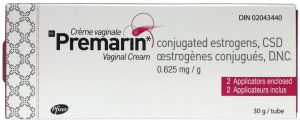
- Vaginal creams: Products like Premarin Vaginal Cream are applied directly into the vagina a few times a week.
- Vaginal inserts or tablets: A small tablet, such as Vagifem (estradiol), is placed in the vagina with an applicator.
Systemic hormone therapy
If you are also experiencing other menopausal symptoms like hot flashes, night sweats, or bone density loss, your doctor might suggest systemic HRT. These medications circulate throughout the body and can address a wider range of issues. While oral pills can improve some vaginal symptoms, studies often show that local therapies provide more direct and effective relief for GSM. Systemic options include:
- Oral tablets: Medications like Premarin (conjugated estrogens) or combination pills like Prempro (conjugated estrogens/medroxyprogesterone) are taken daily.
Deciding between local and systemic therapy is a conversation to have with your healthcare provider. They will help you weigh the benefits and risks based on your specific symptoms and overall health profile.
Lifestyle tips that support your vaginal health
Alongside medical treatments, simple lifestyle adjustments can provide additional comfort and support your vaginal health during menopause.
- Use moisturizers and lubricants: Over-the-counter vaginal moisturizers can be used regularly to maintain moisture, while lubricants are helpful for reducing friction during sex. Look for products that are water-based and free of glycerin, parabens, and fragrances.
- Choose gentle hygiene products: The vagina is self-cleaning. Avoid douching, which disrupts the natural microbiome. Wash the external vulva with warm water or a mild, pH-balanced soap.
- Wear breathable fabrics: Cotton underwear allows for better airflow and helps prevent moisture buildup, which can lead to irritation or infections.
- Stay hydrated: Drinking plenty of water helps your body with overall hydration, which supports tissue health and natural secretions.
When you and your doctor decide on a treatment plan, consistency is key. Sourcing medication should be straightforward and reliable. For those with a valid prescription, services like IsraelPharm offer a way to get brand-name medications delivered directly, supporting continuous care without the need for frequent pharmacy visits.
- Genitourinary Syndrome of Menopause (GSM): The North American Menopause Society (NAMS)
- Vaginal Dryness: American College of Obstetricians and Gynecologists (ACOG)
- Hormone Therapy for Menopause Symptoms: National Cancer Institute
- Estradiol (Vaginal Route): MedlinePlus
- Recover Your Libido, and Rediscover Your Sex Drive: IsraelPharm blog
- Menopause, Estrogen, and Vaginal Health Explained: IsraelPharm blog
Frequently Asked Questions
How can I tell if my discomfort is normal?
Occasional dryness or mild irritation can happen to anyone, but persistent itching, burning, or pain during daily activities is a signal that your body needs extra care. You should consult a healthcare provider if these symptoms last more than a few days or if you notice unusual discharge or bleeding. Getting a professional opinion helps you rule out infections and find the most effective treatment for your specific needs.
What causes vaginal dryness as we get older?
Natural shifts in the body lead to a decrease in the moisture and elasticity of the delicate tissues in the pelvic area. These changes often occur during menopause or as a side effect of certain medications used to treat chronic conditions like high blood pressure. Using a prescribed moisturizer or cream can help restore the natural barrier and significantly improve your daily comfort levels.
Should I avoid using soap in sensitive areas?
Standard soaps and body washes often contain harsh chemicals and fragrances that can disrupt the natural balance of your skin and lead to irritation. Health experts generally recommend using only warm water for cleaning the most sensitive parts of the body to prevent dryness. If you feel you need a cleanser, choose a very mild, fragrance-free option and use it only on the outer areas to stay protected.
Can my diet affect my vaginal health?
Drinking plenty of water and eating a balanced diet supports the health of every cell in your body, including those in the vaginal area. For people managing diabetes, keeping blood sugar levels stable is particularly important because high sugar can encourage the growth of unwanted yeast. Incorporating probiotic-rich foods like plain yogurt can also help maintain a healthy internal environment and reduce the frequency of infections.
How long does it take for treatments to work?
Most people begin to feel a noticeable difference within two to four weeks of starting a consistent treatment plan with a prescribed cream or gel. It takes time for the skin to absorb the active ingredients and begin the process of repairing and hydrating the delicate tissues. You should continue using the medication exactly as your doctor instructed, even if you start feeling better sooner than expected.
Is it safe to use lubricants every day?
Water-based lubricants and long-acting moisturizers are generally safe for regular use and can provide immediate relief from friction and dryness. You should look for products that are free from glycerin, parabens, and artificial scents to minimize the risk of a negative reaction. If you find yourself needing to use these products multiple times a day, it may be time to speak with a doctor about a more permanent treatment.
Will exercise make my irritation worse?
Staying active is wonderful for your overall health, but sweat and tight clothing can sometimes cause temporary chafing or discomfort in sensitive areas. You can prevent this by wearing breathable cotton fabrics and changing into dry clothes immediately after your workout is finished. Keeping the area dry and clean after physical activity is one of the simplest ways to avoid flares of irritation or redness.
| Treatment | How it works | Pros | Cons | Typical use |
|---|---|---|---|---|
| Vagifem (estradiol) | A small vaginal insert containing estradiol that restores estrogen directly to the vaginal tissue. | Low-dose, minimal systemic absorption, easy to use. | Only treats local vaginal and urinary symptoms. | For women with symptoms primarily related to GSM like dryness and painful intercourse. |
| Premarin Vaginal Cream | A cream containing conjugated estrogens that is applied directly into the vagina. | Effectively restores vaginal tissue thickness and lubrication. | Can be messier than inserts; only treats local symptoms. | For managing moderate to severe GSM symptoms, including painful sex. |
| Premarin (oral) | An oral tablet containing conjugated estrogens that treats menopausal symptoms systemically. | Addresses a wide range of symptoms, including hot flashes, night sweats, and bone loss prevention. | Higher systemic exposure; may not be as effective for vaginal symptoms as local therapy. | For women with moderate to severe vasomotor symptoms, with or without GSM. |
| Prempro (oral) | A combination oral tablet with both estrogens and progestin. | Provides comprehensive symptom relief and progestin to protect the uterus. | Increased systemic exposure and associated risks; not for women without a uterus. | For women with a uterus experiencing multiple menopausal symptoms. |
How to support your vaginal health through IsraelPharm
Once you and your healthcare provider have decided on the right treatment for your menopausal symptoms, managing your prescription should be simple and stress-free. For many, treatments for GSM are ongoing, and ensuring you have a consistent supply of medication like Vagifem or Premarin is an important part of your care plan.
IsraelPharm provides a reliable resource for accessing these specific brand-name medications. As a licensed international pharmacy, it specializes in making brand-name pharmaceuticals accessible to patients in the United States and worldwide. This ensures you receive the exact medication prescribed by your doctor, without having to worry about an inconsistent local supply.
The steps you should take to support your vaginal health are straightforward and designed for patient peace of mind. A valid prescription from a licensed physician is required to place an order, upholding the highest standards of safety and care. By sourcing your medication through a regulated and trustworthy platform, you can focus more on your well-being and less on the logistics of your prescription.
Further reading
- Genitourinary Syndrome of Menopause (GSM): The North American Menopause Society (NAMS)
- Vaginal Dryness: American College of Obstetricians and Gynecologists (ACOG)
- Hormone Therapy for Menopause Symptoms: National Cancer Institute
- Estradiol (Vaginal Route): MedlinePlus
- Recover Your Libido, and Rediscover Your Sex Drive: IsraelPharm blog
- Menopause, Estrogen, and Vaginal Health Explained: IsraelPharm blog
Frequently Asked Questions
How can I tell if my discomfort is normal?
Occasional dryness or mild irritation can happen to anyone, but persistent itching, burning, or pain during daily activities is a signal that your body needs extra care. You should consult a healthcare provider if these symptoms last more than a few days or if you notice unusual discharge or bleeding. Getting a professional opinion helps you rule out infections and find the most effective treatment for your specific needs.
What causes vaginal dryness as we get older?
Natural shifts in the body lead to a decrease in the moisture and elasticity of the delicate tissues in the pelvic area. These changes often occur during menopause or as a side effect of certain medications used to treat chronic conditions like high blood pressure. Using a prescribed moisturizer or cream can help restore the natural barrier and significantly improve your daily comfort levels.
Should I avoid using soap in sensitive areas?
Standard soaps and body washes often contain harsh chemicals and fragrances that can disrupt the natural balance of your skin and lead to irritation. Health experts generally recommend using only warm water for cleaning the most sensitive parts of the body to prevent dryness. If you feel you need a cleanser, choose a very mild, fragrance-free option and use it only on the outer areas to stay protected.
Can my diet affect my vaginal health?
Drinking plenty of water and eating a balanced diet supports the health of every cell in your body, including those in the vaginal area. For people managing diabetes, keeping blood sugar levels stable is particularly important because high sugar can encourage the growth of unwanted yeast. Incorporating probiotic-rich foods like plain yogurt can also help maintain a healthy internal environment and reduce the frequency of infections.
How long does it take for treatments to work?
Most people begin to feel a noticeable difference within two to four weeks of starting a consistent treatment plan with a prescribed cream or gel. It takes time for the skin to absorb the active ingredients and begin the process of repairing and hydrating the delicate tissues. You should continue using the medication exactly as your doctor instructed, even if you start feeling better sooner than expected.
Is it safe to use lubricants every day?
Water-based lubricants and long-acting moisturizers are generally safe for regular use and can provide immediate relief from friction and dryness. You should look for products that are free from glycerin, parabens, and artificial scents to minimize the risk of a negative reaction. If you find yourself needing to use these products multiple times a day, it may be time to speak with a doctor about a more permanent treatment.
Will exercise make my irritation worse?
Staying active is wonderful for your overall health, but sweat and tight clothing can sometimes cause temporary chafing or discomfort in sensitive areas. You can prevent this by wearing breathable cotton fabrics and changing into dry clothes immediately after your workout is finished. Keeping the area dry and clean after physical activity is one of the simplest ways to avoid flares of irritation or redness.