 I have to admit, until very recently, I had never heard of Pelvic Congestion Syndrome. My attention was drawn just this week to an article from the Mayo Clinic, one of my regular sources of information and updates about health. The more I read, the more I realized that the symptoms it described were things I’ve heard friends talk about for years. We just never had a name for it. It turns out this condition isn’t widely discussed, and much of the information available is quite new. So, I’m happy to share what I’ve learned about this often-overlooked area of women’s health.
What is pelvic congestion syndrome?
Pelvic Congestion Syndrome (PCS) is a medical condition that causes chronic pelvic pain. It happens when veins in the pelvic area have problems with blood flow, a situation known as pelvic venous insufficiency. The veins can widen, twist, and overfill with blood, similar to varicose veins in the legs. When blood pools in these pelvic veins, it can cause a persistent, dull, and aching pain. PCS affects women mostly between the ages of 20 and 45, especially those who have experienced more than one pregnancy. While it is not a life-threatening condition, the chronic pain from PCS can significantly affect your quality of life.
Symptoms and causes of PCS
Common symptoms of Pelvic Congestion Syndrome
The main symptom of Pelvic Congestion Syndrome is a pelvic pain that lasts for more than six months. This isn’t the sharp, temporary pain many associate with menstrual cramps. Instead, it’s often a dull, heavy, or aching sensation that can be felt on one or both sides of the pelvis. The pain often changes depending on your activity or time of day.
- It can feel worse at the end of the day after you’ve been sitting or standing for long periods.
- Pain often intensifies before and during a menstrual period.
- It can be more noticeable during and after sexual intercourse.
- Symptoms may worsen with each subsequent pregnancy.
- Lying down often provides some relief from the discomfort.
Other signs of PCS can include varicose veins appearing on the genitals or upper thighs, swelling in the legs, painful periods, and a frequent urge to urinate. The constant nature of the pain can also lead to feelings of fatigue, anxiety, or depression. It’s important to discuss all your symptoms with a healthcare provider, as they are key to reaching an accurate diagnosis. All medical treatments should be managed under the supervision of your physician.
Exploring the causes of Pelvic Congestion Syndrome
Researchers believe that PCS is caused by problems with the valves inside the pelvic veins. Normally, these valves act like one-way doors, helping blood flow up toward the heart and preventing it from flowing backward. In PCS, the veins become so wide that the valves can’t close properly. This malfunction allows blood to flow backward, a process called reflux, causing it to pool and create pressure and pain in the pelvis. This underlying issue is known as pelvic venous insufficiency.
Two main factors are thought to contribute to this problem. During pregnancy, blood vessels naturally expand to support the growing baby, which can sometimes lead to long-term changes in the vein walls. Additionally, the hormone estrogen, which affects blood vessel walls, is believed to play a role. This may explain why PCS is uncommon in women after menopause, when estrogen levels drop significantly.
Risk factors for PCS
Several factors can increase a person’s likelihood of developing Pelvic Congestion Syndrome. Understanding these can help you and your doctor determine if PCS might be the cause of your symptoms. The most significant risk factors include:
- Multiple pregnancies: Having given birth to two or more children is a primary risk factor.
- Hormonal factors: Conditions like polycystic metabolic ovarian syndrome (PMOS) and the use of estrogen therapy can contribute.
- Genetics: A family history of pelvic pain may suggest a predisposition.
- Anatomical issues: A prolapsed uterus or certain anatomical compression syndromes can put pressure on pelvic veins.
- Vein history: A personal history of varicose veins in the legs or vein inflammation (phlebitis) can be related.
How is pelvic congestion syndrome diagnosed?
Diagnosing Pelvic Congestion Syndrome can be a process of elimination, as other conditions can cause similar chronic pain. Your doctor will start with a thorough review of your medical history and a physical and pelvic exam to check for tenderness. From there, imaging tests are typically used to look at the veins in your pelvis and rule out other issues. Remember, your physician is the only one who can provide a diagnosis and guide your treatment plan.
- Ultrasound: This is often the first step to check for other causes of pain and can show whether veins are dilated or if blood is flowing backward.
- MRI or CT scan: These scans provide more detailed images of the pelvic veins, showing their shape and structure more clearly.
- Pelvic venogram: Considered the most definitive test, this X-ray procedure uses a contrast dye to map out blood flow and pinpoint exactly where veins are twisted, widened, or allowing reflux.
- Laparoscopy: In some cases, a minimally invasive surgical procedure may be used to visually inspect the pelvic organs and veins.
Treatment options for pelvic congestion syndrome
Once a diagnosis is made, treatment focuses on relieving the pain and addressing the underlying vein issues. Your provider may start with conservative approaches like compression stockings or physical therapy. However, for more direct relief, medications or medical procedures are often recommended. Any treatment course must be determined and monitored by a licensed physician.
Medications for symptom relief
Because estrogen is thought to play a role in PCS, medications that limit its production can often help reduce pain. These hormonal therapies are designed to manage symptoms over time. For any long-term treatment plan, ensuring you have a steady supply of your prescribed medication is important. A licensed international pharmacy, such as IsraelPharm, can be a resource for accessing specific branded medications needed for ongoing care. Common medications include:
- GnRH agonists: Medications like Zoladex (goserelin) work by reducing estrogen levels.
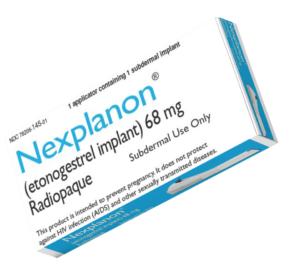
- Progestin-based treatments: These include Depo-Provera (medroxyprogesterone), Provera (medroxyprogesterone), and the Nexplanon (etonogestrel) implant.
Procedural treatments
When medication doesn’t provide enough relief, your doctor might suggest a procedure to treat the faulty veins directly. These are designed to block off the problematic veins, stopping the backward flow of blood and reducing the pressure and pain in the pelvis. These treatments carry risks and should be discussed thoroughly with your healthcare provider.
- Ovarian vein embolization: A minimally invasive procedure where a catheter is used to place tiny coils or a chemical sclerosant inside the faulty veins to close them off.
- Laparoscopy: A surgical approach to tie off the affected veins to prevent reflux.
- Hysterectomy: In rare and severe cases, surgical removal of the uterus, fallopian tubes, and ovaries may be considered if no future pregnancies are planned.
Comparing medication options for PCS
| Treatment | How it works | Pros | Cons | Typical use |
|---|---|---|---|---|
| Zoladex (goserelin) | A GnRH agonist that lowers estrogen levels, creating a temporary menopausal state. | Can be very effective at reducing pain. | Can cause menopausal side effects like hot flashes and bone density loss. | Used for short-term pain management to confirm the link between symptoms and hormones. |
| Nexplanon (etonogestrel) | A small, implantable rod that releases progestin to suppress ovulation and ovarian activity. | Long-lasting (up to 3 years) and convenient. | Can cause irregular bleeding, mood changes, and other hormonal side effects. | A long-term hormonal management option for women who are candidates for progestin therapy. |
| Depo-Provera / Provera (medroxyprogesterone) | A progestin hormone that prevents ovulation and reduces estrogen’s effect. Given as an injection or oral pill. | Effective at controlling symptoms. The injection is convenient for some. | Side effects can include weight gain, mood swings, and loss of bone density with long-term use. | Used for both short-term and long-term management of PCS pain. |
What to expect after treatment
Many people who receive treatment for PCS experience a significant reduction in their pelvic pain. However, the long-term outlook can vary, as there is not extensive research on how long the benefits last. In some cases, symptoms may return over time, and different treatments may need to be explored. It’s comforting to know that symptoms often improve significantly after menopause, likely due to the natural decline in estrogen levels. Maintaining regular contact with your healthcare provider is the best way to manage the condition effectively.
How to access treatment for PCS through IsraelPharm
For those prescribed an ongoing medication like Zoladex or Nexplanon for Pelvic Congestion Syndrome, securing a reliable supply is a key part of the treatment plan. IsraelPharm provides a straightforward way for patients to access these specific branded medications. This ensures that the exact product prescribed by your doctor is delivered directly to your home.
Patients sourcing their medication through IsraelPharm benefit from the pharmacy’s commitment to treatment continuity. For conditions requiring consistent dosing, this removes the stress of managing prescription gaps or searching for local stock. This access is vital for maintaining the effectiveness of a long-term treatment strategy.
As a licensed international pharmacy, IsraelPharm operates under strict regulatory standards. A valid prescription from a licensed physician is required for all prescription medications, ensuring that your doctor’s treatment plan is followed precisely. To learn more about obtaining your medication, you can visit the product pages on the IsraelPharm website.
Further reading
- An Overview of Pelvic Congestion Syndrome: Cleveland Clinic
- Pelvic Congestion Syndrome Details: Mayo Clinic
- From PCOS to PMOS: 10 Questions Answered: IsraelPharm
- Pelvic Congestion Syndrome: A Systematic Review: National Institutes of Health (NIH)
Frequently asked questions about Pelvic Congestion Syndrome
What is Pelvic Congestion Syndrome in simple terms?
Pelvic Congestion Syndrome is a condition that causes chronic pain in the lower abdomen or pelvis. Think of it like varicose veins, but instead of the legs, the affected veins are deep inside the pelvis. These veins become stretched out and twisted, making it hard for blood to flow properly. As blood pools in these veins, it creates pressure and a persistent, dull aching pain. This condition most often affects women who have had multiple pregnancies, and it can significantly impact daily comfort and quality of life.
How do medications like Zoladex help with Pelvic Congestion Syndrome?
Medications like Zoladex help manage Pelvic Congestion Syndrome by targeting hormones, specifically estrogen. Estrogen is believed to make blood vessel walls more flexible, which can contribute to the widening of pelvic veins. Zoladex is a GnRH agonist, which means it works by significantly lowering the amount of estrogen your body produces. This creates a temporary, reversible menopausal state. By reducing estrogen’s influence, these medications can help decrease vein dilation and alleviate the associated pelvic pain, serving as an effective tool for symptom management.
Are hormonal treatments for PCS safe?
Hormonal treatments like Zoladex, Nexplanon, or Depo-Provera are generally considered safe when prescribed and monitored by a healthcare provider. However, they do have potential side effects. Because they work by altering hormone levels, they can cause symptoms similar to menopause, such as hot flashes, mood swings, or changes in bone density with long-term use. Your doctor will discuss these risks with you and determine if this type of treatment is appropriate for your specific health profile and the management of your Pelvic Congestion Syndrome.
What is the typical dosing for PCS medications?
Dosing depends entirely on the specific medication prescribed for Pelvic Congestion Syndrome. For instance, Zoladex is typically administered as an implant injected under the skin every 28 days. Nexplanon is a single implant placed in the arm that lasts for up to three years. Depo-Provera is an injection usually given every three months, while Provera comes in pill form taken on a daily schedule. The correct medication and dosage for your situation will be determined by your physician based on your symptoms and overall health.
How can I source my medication for Pelvic Congestion Syndrome?
If you have a prescription for a medication to treat Pelvic Congestion Syndrome, you have several sourcing options. You can use a local US pharmacy, but for specific branded medications like Zoladex, it can be beneficial to explore a licensed international pharmacy like IsraelPharm. They can supply the exact brand-name product prescribed by your doctor, often providing access and supply continuity for long-term treatment plans. A valid prescription is always required for any prescription drug, ensuring your care remains under your doctor’s supervision.
Glossary
Embolization: A minimally invasive procedure that blocks a blood vessel to stop blood flow to a specific area.
Estrogen: A primary female sex hormone responsible for the development and regulation of the female reproductive system and secondary sex characteristics.
GnRH agonists: A class of medications that suppress the production of sex hormones, such as estrogen, by the ovaries.
Laparoscopy: A type of surgical procedure that allows a surgeon to access the inside of the abdomen and pelvis without making large incisions.
Pelvic venous insufficiency: A medical condition where veins in the pelvis struggle to circulate blood properly, often leading to blood pooling.
Prolapsed uterus: A condition in which the uterus slips down from its normal position in the pelvis and into the vagina.
Reflux: The backward flow of a fluid, such as blood in a vein, opposite to its normal direction.