For many years, managing type 2 diabetes (T2D) felt like a single-minded pursuit: get the blood sugar down. While crucial, this approach overlooked a more dangerous threat. People with type 2 diabetes are far more likely to experience serious cardiovascular problems, like heart attacks and strokes. The focus is now shifting towards a more comprehensive strategy. This new approach uses combined therapies for T2D – a combination of different medications not just to control sugar, but to actively protect the heart and kidneys by mimicking a natural gut hormone. This marks a major step forward in treatment.

The old guard: what is metformin?
For decades, Metformin has been the foundational, first-line treatment for type 2 diabetes. It primarily works by reducing the amount of glucose your liver produces. It also helps your body respond better to its own insulin. Its long track record of safety and effectiveness is why it remains a cornerstone of diabetes care. Most patients newly diagnosed with type 2 diabetes will start with metformin. All treatment decisions should be made in consultation with a qualified physician who can assess your individual health needs.
The new players in diabetes care
In recent years, two new classes of medication have changed the game for type 2 diabetes (T2D) management: SGLT2 inhibitors and GLP-1 receptor agonists (GLP-1 RAs). They represent a significant evolution from only focusing on blood sugar. Instead, they offer protective benefits for the cardiovascular system, which is a major concern for anyone with diabetes. These drugs work in entirely different ways from metformin and from each other.
SGLT2 inhibitors
- SGLT2 inhibitors, like Jardiance (empagliflozin), work in the kidneys. They act like a bouncer at a club, preventing glucose from being reabsorbed into the bloodstream.
- Instead, the excess sugar is expelled from the body through urine. This process not only lowers blood glucose levels but also has the added benefit of reducing blood pressure and body weight slightly.
- Crucially, large studies have shown these drugs dramatically reduce the risk of hospitalization for heart failure.
GLP-1-R agonists
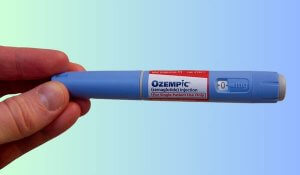
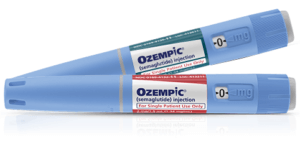
- GLP-1-R agonists, including Ozempic (semaglutide), and dual-action drugs like Mounjaro (tirzepatide), mimic a natural gut hormone called GLP-1.
- This hormone tells your pancreas to release insulin after you eat, slows down how quickly your stomach empties, and signals to your brain that you are full.
- The result is better blood sugar control and often significant weight loss. Their major cardiovascular benefit is a proven reduction in the risk of stroke and other major adverse cardiac events.
Your doctor can evaluate your medical history and determine which, if any, of these medication classes is appropriate for your treatment plan. This is a personalized decision based on your overall health profile.
Why combined therapy is the new frontier for cardiac health
The current thinking, supported by major diabetes associations in the US and Europe, is that many patients benefit from a combined therapy approach. This often involves taking metformin alongside an SGLT2 inhibitor, a GLP-1 RA, or both. The logic is simple: the drugs have different, complementary mechanisms of action that together provide more comprehensive protection. It’s like having a multi-layered defense system for your cardiovascular health.
Clinical trials have shown that these drug classes have slightly different, but equally important, strengths. SGLT2 inhibitors like Jardiance have shown outstanding results in preventing hospital stays for heart failure. GLP-1 RAs like Ozempic have demonstrated a clear ability to reduce the risk of cardiovascular events, most notably strokes. For patients with a high risk of cardiovascular disease, using these medications in combination can address multiple risk factors simultaneously, offering a powerful strategy for prevention.
A personalized approach to treatment
There is no one-size-fits-all answer in modern diabetes care. The choice between an SGLT2 inhibitor, GLP-1 RAs, or a combined therapy depends entirely on the individual patient’s profile. This is where a personalized medical approach becomes essential.
- For patients with heart failure: SGLT2 inhibitors are strongly recommended, regardless of whether the patient also has type 2 diabetes.
- For patients at high risk of stroke: GLP-1 RAs are often favored due to their proven benefits in reducing major cardiovascular events.
- For patients with chronic kidney disease (CKD): SGLT2 inhibitors are a frontline therapy to protect kidney function.
Because these are long-term treatments, ensuring a consistent and reliable supply of your prescribed medication is a key part of managing your condition effectively. For those prescribed branded drugs like Jardiance or Ozempic, sourcing can be a consideration. Licensed international pharmacies such as IsraelPharm offer a legitimate pathway to access these specific medications, always requiring a valid prescription from your doctor.
It’s also important to note that combining these powerful drugs can increase the risk of hypoglycemia (low blood sugar). Your physician will monitor you closely and help you recognize the signs to manage this potential side effect. Always follow your doctor’s guidance when starting or changing your medication regimen.
Comparing modern diabetes treatments
| Treatment | How it works | Pros | Cons | Typical use |
|---|---|---|---|---|
| Metformin | Reduces glucose production by the liver and improves insulin sensitivity. | Long history of use, low cost, weight-neutral. | Gastrointestinal side effects are common. | First-line therapy for most people with type 2 diabetes. |
| Jardiance (SGLT2 inhibitor) | Causes the kidneys to remove more glucose from the body through urine. | Reduces risk of heart failure hospitalization and cardiovascular death. Protects kidneys. | Can increase risk of genital yeast infections and urinary tract infections. | For T2DM patients, especially those with heart failure or kidney disease. |
| Ozempic (GLP-1 RA) | Mimics a hormone that stimulates insulin release, slows digestion, and reduces appetite. | Significant weight loss, reduces risk of stroke and other major cardiovascular events. | Nausea and other GI side effects are common, requires injection. | For T2DM patients, especially with heart disease or who need to lose weight. |
| Mounjaro (GIP/GLP-1 RA) | Activates two hormone receptors (GIP and GLP-1) to improve blood sugar control and promote weight loss. | Very effective for blood sugar control and weight loss. | Similar to GLP-1s: nausea, GI side effects, requires injection. | For T2DM patients needing significant glucose and weight reduction. |
How to access advanced diabetes treatments through IsraelPharm
Adopting a modern, combined therapy approach for type 2 diabetes is a decision made between you and your healthcare provider. This strategy, which leverages the distinct benefits of medications like Jardiance, Ozempic, and Mounjaro, is focused on long-term cardiovascular and renal health, not just daily blood sugar numbers.
IsraelPharm offers reliable access to these branded medications, which can be difficult to source consistently through other channels. For treatments that require an ongoing, fixed schedule, ensuring the continuity of your supply is a vital part of your health management. Patients can source the exact product prescribed by their doctor without concerns about substitutes.
As a licensed international pharmacy, IsraelPharm operates under strict regulatory oversight. A valid prescription from a licensed physician is required for all prescription medications, ensuring that your doctor remains at the center of your care. If your doctor determines that one of these advanced treatments is right for you, you can explore the medication pages on the IsraelPharm website for more information.
Further reading
- SGLT2 inhibitors: Jardiance.com
- GLP-1 receptor agonists: Ozempic.com
- Diabetes, Heart Disease, and Stroke: National Institute of Diabetes and Digestive and Kidney Diseases (NIDDK)
- Managing Type 2 Diabetes: IsraelPharm
- Information on Type 2 Diabetes: MedlinePlus
- Early use of tirzepatide for diabetes yields cardiac benefits: IsraelPharm
Frequently asked questions about combined therapy for T2D
What is type 2 diabetes and why is it serious?
Type 2 diabetes is a chronic condition where the body either doesn’t produce enough insulin or resists its effects, leading to high blood sugar levels. While high blood sugar is a problem, the main danger is its long-term impact on the body’s organs. It significantly increases the risk of serious complications. These include heart disease, stroke, chronic kidney disease, nerve damage, and vision loss. Managing diabetes is about preventing these life-altering problems, which is why therapies that protect the heart and kidneys are so important.
How does combined therapy with drugs like Jardiance and Ozempic work?
A combined therapy approach uses drugs that work in different ways to protect your health. For example, Jardiance (an SGLT2 inhibitor) makes the kidneys remove sugar through urine, which helps prevent heart failure. Ozempic (a GLP-1 receptor agonist) mimics a natural gut hormone to control blood sugar, promote weight loss, and reduce stroke risk. When used together, often with metformin as a base, they provide a multi-pronged defense. This strategy manages blood sugar while also addressing the distinct cardiovascular and renal risks associated with type 2 diabetes.
What are the most important side effects of combined therapies for T2D?
While generally safe and effective, combined therapy has potential side effects you should be aware of. The most significant risk is hypoglycemia, or low blood sugar, which is more likely when combining these medications. Your doctor will monitor you for this. Other common side effects depend on the drug class. SGLT2 inhibitors can cause genital yeast or urinary tract infections. GLP-1 RAs are often associated with gastrointestinal issues like nausea, especially when starting the medication. Always discuss potential side effects with your physician.
How is treatment with combined therapies for T2D personalized for each patient?
Treatment is personalized based on your specific health profile and risk factors, a key part of a combined therapy plan. If you have a history of heart failure, an SGLT2 inhibitor like Jardiance may be prioritized. If stroke risk or weight loss is the primary concern, a GLP-1 receptor agonist like Ozempic or Mounjaro might be a better fit. For those with kidney disease, SGLT2 inhibitors are a cornerstone of treatment. Your doctor will review your medical history to create the most effective and personalized treatment plan.
How can I source medications like Jardiance and Ozempic if my doctor prescribes them?
Once you have a valid prescription, you have several sourcing options. In addition to local US pharmacies, licensed international pharmacies like IsraelPharm provide a reliable channel for accessing branded medications. This can be particularly useful for ensuring a consistent, long-term supply for chronic conditions, which is crucial for effective management. IsraelPharm requires a prescription from your doctor, ensuring that your care remains under proper medical supervision while offering access to these specific treatments delivered to your home.
Glossary
ASCVD: Atherosclerotic cardiovascular disease, a buildup of plaque in the arteries that can lead to heart attack or stroke.
Cardiovascular outcomes: Health results related to the heart and blood vessels, such as heart attack, stroke, and death from heart disease.
Chronic kidney disease (CKD): A condition characterized by the gradual loss of kidney function over time, affecting the body’s ability to filter waste.
eGFR: Estimated glomerular filtration rate, a measure used to assess how well the kidneys are filtering waste from the blood.
GLP-1 RAs: A class of medications that mimic a natural gut hormone to stimulate insulin secretion, slow digestion, and reduce appetite.
Heart failure: A chronic condition where the heart doesn’t pump blood as well as it should, leading to fatigue and shortness of breath.
Hypoglycemia: A condition characterized by abnormally low blood glucose levels, which can cause dizziness, confusion, and other symptoms.
Meta-analysis: A statistical technique that combines the results of multiple scientific studies to develop a single, more precise conclusion.
SGLT2 inhibitors: A class of medications that lower blood sugar by causing the kidneys to remove more glucose from the body via urine.