GLP-1 risks primarily include manageable gastrointestinal side effects such as nausea, vomiting, and diarrhea, which typically resolve as the body adjusts to the medication. While rare but serious concerns like pancreatitis or gallbladder issues exist, most patients use these drugs safely under medical supervision to manage weight and blood sugar effectively.
Medically reviewed by IsraelPharm Clinical Team | Last updated: May 22, 2024
What GLP-1 medications actually do
GLP-1 receptor agonists are a class of medications that mimic a natural hormone in the body called glucagon-like peptide-1. This hormone is released from the gut after eating. It plays a key role in managing blood sugar and appetite. By mimicking this hormone, medications like Ozempic help the body process insulin more effectively.
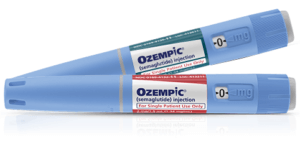
These drugs, including Ozempic (semaglutide) and Mounjaro (tirzepatide), work in several ways. They slow down how quickly food leaves the stomach, which helps you feel full longer. They also send signals to the brain to reduce appetite and food cravings. For people with type 2 diabetes, they also stimulate the pancreas to release insulin when blood sugar is high. Evidence from the New England Journal of Medicine suggests these mechanisms are highly effective for weight loss.
How common are GLP-1 side effects?
GLP-1 risks are most frequently experienced as digestive system changes, often referred to as gastrointestinal side effects. Because these drugs slow down the digestive process, many users experience some level of discomfort, especially when first starting treatment. You can expect these symptoms to be most prominent during the first few weeks of your prescription.
Common symptoms include:
- Nausea and mild queasiness.
- Vomiting or upset stomach.
- Diarrhea or loose stools.
- Constipation.
- Abdominal pain or cramping.
For most people, these effects are mild to moderate. They tend to decrease as the body adjusts to the medication over several weeks. Doctors typically start patients on a low dose and increase it gradually to help manage this adjustment period and improve the overall semaglutide safety profile. This gradual approach is a standard clinical practice recommended by the FDA.
What are the serious GLP-1 risks you should know?
Serious GLP-1 risks are rare but require careful medical screening before you start treatment. While mild gastrointestinal issues are common, more severe concerns are often misrepresented in popular media. Patients should review the context of these warnings. The benefits and risks of GLP-1 medications should always be discussed with a qualified physician who understands your medical history.
One concern is gastroparesis, or “stomach paralysis.” This is a severe form of the drug’s intended effect of slowing digestion. While cases have been reported, it is not a typical outcome for most patients. Those with pre-existing digestive motility issues may be at higher risk. Clinical data from MedlinePlus indicates that while the drug slows gastric emptying, permanent paralysis is extremely uncommon.
There is also a warning for thyroid C-cell tumors. This is based on studies in rodents. The risk in humans is thought to be low, but individuals with a personal or family history of medullary thyroid carcinoma (MTC) or Multiple Endocrine Neoplasia syndrome type 2 (MEN 2) should not use these drugs. Your doctor will ask about your family history to ensure you are not in a high-risk category for these specific GLP-1 risks.
Why does dosage titration matter for safety?
Dosage titration is the most effective way to minimize GLP-1 risks and ensure your body tolerates the medication. The treatment plan involves a process where the dose is started very low and increased slowly over months. This allows your gut to adapt to the slower movement of food and the hormonal changes. If you skip steps in this process, you are much more likely to experience severe nausea or vomiting.
Lifestyle adjustments can also help significantly. Eating smaller, more frequent meals can reduce nausea and fullness. Avoiding high-fat, greasy, or very sweet foods can also ease digestive symptoms. Staying well-hydrated by drinking plenty of water throughout the day is also recommended. You should listen to your body’s fullness cues, as overeating while on a GLP-1 can trigger immediate discomfort.
Who should avoid GLP-1 medications?
GLP-1 medications are not suitable for everyone, and certain medical conditions increase the likelihood of adverse events. A doctor will carefully review a patient’s medical history to assess risk. The safety of weight loss injections depends heavily on proper patient screening. This is why a valid prescription is always required for these medications.
Individuals with a personal or family history of specific conditions are at a higher risk. This includes those with a history of pancreatitis, MTC, or MEN 2. Patients who have had severe gastrointestinal diseases, such as gastroparesis or inflammatory bowel disease, may also be advised against using these medications. If you have a history of gallbladder disease, you should discuss this with your provider as weight loss drugs can sometimes trigger gallstones.
Is the long-term safety of GLP-1 drugs proven?
Long-term safety of GLP-1 drugs is supported by over 15 years of clinical use in patients with type 2 diabetes. While newer brands like Wegovy have gained recent fame, the underlying molecules have been studied extensively. The extensive clinical trials involved tens of thousands of participants. This research helps define the safety profile and identify who is most likely to benefit.
The health benefits often outweigh the GLP-1 risks for many patients. Reducing obesity and managing blood sugar can lower the risk of heart disease, stroke, and kidney failure. Your physician is the person to determine if a GLP-1 medication is right for you. They will weigh the potential benefits against the potential risks based on your unique health profile. Always follow your doctor’s instructions and never share your medication with others.
Important safety information
GLP-1 receptor agonists are a potent class of medications that require professional oversight to manage risks such as pancreatitis, gallbladder disease, and kidney impairment. You must inform your doctor of all existing medical conditions and other medications you are taking before starting therapy. Report side effects to your healthcare provider or to the FDA at 1-800-FDA-1088. For detailed information on specific adverse events, please refer to the dedicated side effects section below.
Glossary
- GLP-1 receptor agonist
- A class of drugs that mimics a natural hormone to help control blood sugar, appetite, and slow down digestion.
- Gastroparesis
- A medical condition characterized by delayed stomach emptying, where the stomach cannot empty itself of food in a normal way.
- Pancreatitis
- Inflammation of the pancreas, a gland located behind the stomach that produces enzymes for digestion and hormones like insulin.
- Titration
- The process of carefully adjusting the dose of a medication upwards or downwards to achieve the desired effect with minimal side effects.
- Bioequivalent
- A term used to describe two medications that have the same active ingredient and produce the same effect in the body.
How to access GLP-1 medications through IsraelPharm
IsraelPharm provides a trusted way to access brand-name medications like Ozempic, Wegovy, Rybelsus, and Mounjaro. Our licensed, pharmacist-led team is committed to making your prescribed treatment affordable and accessible. We offer price savings vs US retail costs, ensuring you can maintain your treatment plan without financial strain. Our service includes FDA-grade brand-name medications and secure online ordering for your peace of mind. We specialize in providing a reliable supply for fixed-schedule treatments, so you never have to worry about local stock shortages. Order your refill at IsraelPharm today.
Further reading
- Semaglutide Injection: MedlinePlus Drug Information
- FDA information on medications containing semaglutide
- Prescription Medications to Treat Overweight & Obesity – NIDDK
- GLP-1 agonists: Diabetes drugs and weight loss – Mayo Clinic
Frequently Asked Questions
What are the most common Ozempic side effects?
Gastrointestinal issues like nausea, vomiting, and diarrhea represent the most frequent complaints among patients starting this therapy because the drug naturally slows down the rate at which your stomach empties. Most people find that these uncomfortable effects gradually fade as their body becomes accustomed to the medication over several weeks of consistent use. To manage these symptoms effectively, doctors often recommend eating smaller portions and avoiding fatty foods that might further delay digestion and cause additional discomfort.
Are the Wegovy risks different from other GLP-1s?
Adverse event profiles for this weight management drug are remarkably similar to other medications in the GLP-1 receptor agonist class due to shared active ingredients. Because they share the same biological mechanisms as certain diabetes drugs, they carry the same warnings regarding rare pancreatitis and potential thyroid concerns. Your clinical risk profile depends much more on your personal health history and underlying conditions than on the specific brand name chosen for your treatment plan.
How is the long term safety of GLP-1 medications monitored?
Regulatory agencies like the FDA utilize robust post-market surveillance systems to track any rare or delayed complications that appear once the drug is used by the general population. This rigorous, ongoing data collection supplements the multi-year clinical trials conducted before the drug ever reaches the public market to ensure patient safety remains a priority. Doctors and patients contribute to this vital safety database by reporting any unexpected or severe reactions through official government channels.
Can I reduce the gastrointestinal side effects of GLP-1 drugs?
Adopting a slow titration schedule is the primary medical strategy used to help your digestive system adapt to the medication without experiencing significant distress. You can also minimize discomfort by eating smaller portions and choosing bland, low-fat foods during the first few months as your body adjusts to the new chemical changes. Staying hydrated and avoiding carbonated beverages can also prevent the bloating and gas often associated with these weekly subcutaneous injections.
Is pancreatitis a common risk with these injections?
Inflammation of the pancreas is considered a rare but serious potential complication that requires immediate medical evaluation if you experience severe, persistent abdominal pain. While clinical trials noted a very small number of cases, the absolute risk for most healthy individuals remains extremely low throughout the duration of their treatment. Your doctor will carefully assess your history of alcohol use and gallbladder health to determine your specific risk level before prescribing this medication.
Should I avoid grapefruit while taking GLP-1 medications?
Current medical guidelines do not typically list this citrus fruit as a major contraindication for the GLP-1 receptor agonist drug class because it does not affect the specific metabolic pathway. However, you should always double-check with your pharmacist because grapefruit can interfere with other common medications like statins or blood pressure pills you may be taking. Maintaining a consistent diet and discussing all supplements with your healthcare provider is the safest approach to your health.
Can GLP-1 medications cause severe dehydration?
Persistent vomiting or diarrhea caused by these drugs can lead to a significant loss of fluids and electrolytes if not managed properly. Dehydration can put stress on the kidneys, which is why it is vital to sip water throughout the day. If you find yourself unable to keep liquids down, you must contact your medical provider immediately to prevent complications.
This guide is for informational purposes only. Always follow your doctor’s instructions. Contact IsraelPharm at support@israelpharm.com or 1-866-456-3768.