 Hyperemesis gravidarum, or HG, is the medical name for severe morning sickness, and it can leave a pregnant woman unable to keep food or water down for weeks at a time. Metformin, a long-established diabetes medication, is now being studied as a way to prevent HG before pregnancy begins. Early findings have placed it among the most closely watched developments in pregnancy care.
When morning sickness becomes a problem
Morning sickness is a fairly common side effect of pregnancy, especially during the first trimester (12 weeks). Hyperemesis gravidarum is a term used when there is severe, persistent nausea and vomiting during pregnancy. It affects up to three percent of pregnant women and often requires medical care. The condition can keep going all day, for weeks or months, and sometimes until delivery. Many women lose more than 5 percent of their pre-pregnancy weight, and some are hospitalized more than once.
The most recognized symptoms include:
- Severe nausea that does not ease with food or rest.
- Vomiting more than three times a day.
- Losing more than 5 percent of pre-pregnancy weight.
- Dehydration, dizziness, and fainting.
- Passing very little urine, or urine that looks dark.
- Extreme tiredness and headaches.
In more advanced cases, women may develop low blood pressure, a rapid heart rate, confusion, or jaundice from liver strain. HG is treated as a high-risk pregnancy by most healthcare providers.
Why morning sickness becomes hyperemesis gravidarum
Researchers have spent decades trying to explain why some women become so severely ill. The leading answer points to a hormone called GDF15. GDF15 is present in everyone, regardless of sex or pregnancy, and it rises sharply in early pregnancy. A landmark study in Nature proposed that women unusually sensitive to GDF15 are the ones who develop HG when those levels surge.
Other hormones also play a role. Human chorionic gonadotropin, known as HCG, is produced rapidly in early pregnancy and peaks around week 10, which is when many women feel the worst. Estrogen, which also climbs, may add to the nausea.
Risk is not random. Women are more likely to develop hyperemesis gravidarum if they:
- Had HG in a previous pregnancy.
- Are carrying twins, triplets, or more.
- Are pregnant for the first time.
- Have a close family history of severe morning sickness.
- Have a history of motion sickness or migraines.
Doctors typically diagnose HG by reviewing symptoms and weight, ordering blood and urine tests for dehydration, and using ultrasound to rule out other causes. Talking with a healthcare provider early gives the best chance of staying ahead of complications.
How HG is treated today
Treatment depends on severity. Mild cases may improve with rest, small bland meals, and acupressure wristbands. Vitamin B6 and the antihistamine doxylamine are common starting points. When symptoms become harder to control, prescription anti-nausea medications such as promethazine, metoclopramide, and ondansetron are often used.
Severe cases sometimes need hospital care. Treatments at that stage include:
- Intravenous fluids to correct dehydration.
- Tube feeding through the nose or stomach when food cannot be kept down.
- Total parenteral nutrition, where nutrients are delivered through an IV that bypasses the digestive tract.
The choice should always be made with a pregnancy care provider who can weigh the benefits and risks for both mother and baby.
Why metformin entered the conversation 
Metformin has been around for a century. It was first synthesized in the 1920s and entered clinical use for type 2 diabetes in the 1950s. It is one of the most studied medications in modern medicine, with a long safety record and a low cost because it is no longer under patent.
Its connection to morning sickness comes from GDF15. Metformin is known to raise GDF15 levels in the blood. At first glance, that sounds like the opposite of what a woman with HG would want, but the thinking goes deeper.
Dr. Marlena Fejzo of the Keck School of Medicine at USC has driven much of this research. She lived through two HG pregnancies herself, the second of which she lost at 15 weeks. Her work proposes that taking metformin before pregnancy may gently raise a woman’s baseline GDF15. The body grows used to it, so when pregnancy then triggers a sharp natural rise, the response is less violent.
A 2025 study in the American Journal of Obstetrics and Gynecology found that taking metformin in the month before pregnancy was linked to an 82 percent reduction in severe nausea and vomiting and HG. For a condition that has felt unsolvable, that figure has drawn serious attention.
What the early human experience looks like
Dr. Fejzo has enrolled more than 30 women in an observational study, with a clinical trial in the planning stages. The early stories are striking.
One participant, a former marathon runner, lost 20 pounds in the first 20 weeks of her HG pregnancy and spent eight weeks on continuous IV fluids. After her child turned one, she started metformin in preparation for a second pregnancy. She has handled some gastrointestinal side effects but describes the trade-off as worthwhile.
Another woman with a strong family history of HG vomited up to 18 times a day during her first pregnancy. She took metformin for five months before conceiving again. By 23 weeks of her second pregnancy, she had vomited only a handful of times in total. These accounts are encouraging, but Dr. Fejzo herself emphasizes that more data is needed, and any decision should be made with a doctor.
The wider picture of metformin
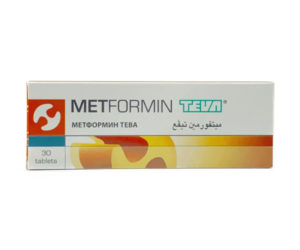 The interest in metformin for HG is part of a broader pattern. Dr. Tannaz Moin, an associate professor of medicine at UCLA, has called it a wonder drug. Beyond diabetes, researchers have studied it for:
- Reducing viral load in COVID-19.
- Improving fertility, particularly in women with polycystic ovary syndrome.
- Slowing the growth of certain tumors.
- Supporting weight management by reducing insulin resistance and appetite.
- Possible antiaging effects through better blood vessel and insulin function.
What this wide research base establishes is a deep, long-term understanding of the drug’s behavior in the human body – a foundation that gives the HG research credibility newer compounds lack.
Sourcing Metformin from a trusted source
Because Metformin is prescribed across so many conditions, supply and product consistency matter. Patients being treated with metformin under medical supervision benefit from working with a pharmacy that understands the medication thoroughly. IsraelPharm is a licensed international pharmacy that requires a valid prescription from a licensed physician for Metformin, and physician oversight of treatment is not affected by where the medication is sourced.
For ongoing use, IsraelPharm supplies the exact branded Metformin product specified on the prescription rather than substitutes, and maintains reliable continuity of supply for patients who need an uninterrupted supply before and during pregnancy.
How to access Metformin for severe morning sickness through IsraelPharm
Patients sourcing Metformin through IsraelPharm work with a licensed international pharmacy that has built its reputation on expertise and reliability. A valid prescription from a licensed physician is required, and IsraelPharm supplies the exact branded product specified on that prescription rather than swapping in alternatives.
For a medication that may be taken consistently for months before and during a planned pregnancy, continuity of supply is central. IsraelPharm supports patients on extended treatment programs with reliable, ongoing availability, removing the need to manage gaps between prescriptions or to track local sources. Metformin sourced through IsraelPharm also normally costs significantly less than from other US retail sources, which makes a big difference when it’s a multi-month course.
The next step is straightforward: discuss Metformin with a healthcare provider familiar with your pregnancy plans, and once a prescription is in hand, visit the IsraelPharm website to arrange supply.
Further reading on metformin and hyperemesis gravidarum
- Overview of hyperemesis gravidarum symptoms and treatment – Cleveland Clinic
- Study on metformin and severe nausea and vomiting in pregnancy – American Journal of Obstetrics and Gynecology
- Study identifying GDF15 as a key driver of pregnancy nausea – Nature
- Can Metformin be used for more than just diabetes? – IsraelPharm blog
- Patient resources – Hyperemesis Education and Research Foundation
Frequently asked questions about metformin for severe morning sickness
What is hyperemesis gravidarum and how is it different from morning sickness?
Hyperemesis gravidarum is the severe form of pregnancy nausea and vomiting. It goes well beyond ordinary morning sickness in both intensity and duration.
- Morning sickness affects up to 80 percent of pregnancies and usually fades by week 12.
- Hyperemesis gravidarum causes vomiting several times a day for weeks or months.
- It can lead to weight loss above 5 percent and serious dehydration.
- Many women need IV fluids or hospital care.
How does metformin work in the body?
Metformin lowers blood sugar by improving how the body responds to insulin. It also raises levels of a hormone called GDF15.
- It reduces glucose production in the liver.
- It improves insulin sensitivity in muscle and fat tissue.
- It increases GDF15, which researchers believe may explain its potential role in preventing severe morning sickness.
- It is taken by mouth, usually once or twice a day.
Is metformin safe for women planning a pregnancy?
Metformin has one of the longest safety records of any modern medication. It has been used for decades, including in women with conditions such as polycystic ovary syndrome who go on to conceive.
- The most common side effects are gastrointestinal, especially when starting the drug.
- Use during or before pregnancy must be guided by a physician.
- Each woman’s medical history shapes whether metformin is appropriate.
- Decisions should never be made without a healthcare provider.
What does the latest research say about metformin for hyperemesis gravidarum?
A 2025 study in the American Journal of Obstetrics and Gynecology found a strong link between pre-pregnancy metformin use and reduced severe nausea.
- Women who took metformin in the month before pregnancy had an 82 percent lower risk of severe nausea and HG.
- Researchers think the effect comes from desensitizing the body to GDF15.
- An observational study with more than 30 participants is underway.
- A formal clinical trial is being planned.
Where can metformin be sourced reliably for long-term use?
Metformin can be sourced through IsraelPharm, a licensed international pharmacy that supplies the exact branded product specified on a valid prescription.
- A valid prescription from a licensed physician is required for every order.
- Branded Metformin is usually priced significantly below typical US retail rates.
- Reliable continuity of supply supports extended treatment courses without gaps.
- Medications are delivered directly to the patient’s home address.
- Physician oversight of treatment is not affected by sourcing through an international pharmacy.
Glossary
- Dehydration — A condition in which the body loses more fluid than it takes in, affecting circulation, energy, and organ function.
- GDF15 — A hormone present in all people that rises sharply in early pregnancy and is closely linked to nausea and vomiting.
- Gestational trophoblastic disease — An uncommon group of pregnancy conditions involving abnormal cell growth inside the uterus that can affect hormone levels.
- Human chorionic gonadotropin — A hormone made in large amounts during early pregnancy that peaks around week 10 and contributes to nausea.
- Hyperemesis gravidarum — A severe pregnancy condition marked by severe morning sickness, persistent vomiting, weight loss, and dehydration that often requires medical treatment.
- Insulin resistance — A state in which the body’s cells respond poorly to insulin, leading to higher blood sugar and other metabolic effects.
- Metformin — An oral medication first introduced in the 1950s that lowers blood sugar and improves the body’s response to insulin.
- Observational study — A research design in which investigators watch outcomes in people without assigning who receives a treatment.
- Polycystic ovary syndrome — A common hormonal condition in women of reproductive age that affects ovulation, menstrual cycles, and insulin response.
- Total parenteral nutrition — A method of feeding that delivers all needed nutrients directly into the bloodstream when the digestive system cannot be used.
- Wernicke-Korsakoff syndrome — A serious neurological disorder caused by severe vitamin B1 deficiency, sometimes seen in prolonged hyperemesis gravidarum.