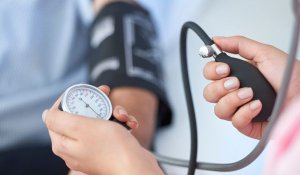
 Elevated blood pressure, also called hypertension, is a condition where the force of blood pushing against artery walls stays higher than it should be. Blood pressure naturally rises and falls during the day, but when elevated blood pressure persists over time, it can slowly damage the body.
This condition is common and often develops without clear warning signs. Because it rarely causes symptoms early on, many people do not know they have it. Over time, untreated high blood pressure can affect the heart, brain, kidneys, eyes, and blood vessels.
What high blood pressure means inside the body
Blood travels through a network of arteries that carry oxygen and nutrients. Healthy arteries are flexible and allow blood to flow smoothly. When pressure inside these vessels remains too high:
- Artery walls can become thick and stiff
- Blood flow becomes less efficient
- The heart must work harder to pump blood
- Damage can slowly build up over many years
This gradual strain is why high blood pressure is considered a long-term risk factor for serious disease.
Common causes of high blood pressure
In most people, elevated blood pressure develops over time without one single cause. This is called primary hypertension. Several factors often work together.
Age and family history
- Blood vessels naturally stiffen with age
- A family history of hypertension increases risk
Lifestyle patterns
- Diets high in sodium and processed foods
- Low intake of fruits, vegetables, and potassium-rich foods
- Excess body weight
- Low levels of physical activity
- Long-term stress
- Regular alcohol use in large amounts
- Tobacco use, which damages blood vessels
Medical causes of secondary hypertension
Sometimes high blood pressure develops because of another health condition. This is called secondary hypertension.
- Kidney disease
- Hormone disorders such as thyroid disease or adrenal problems
- Sleep apnea
- Some medications, including certain pain relievers and decongestants
How elevated blood pressure affects the body over time
Ongoing high pressure inside blood vessels can damage organs that depend on healthy circulation.
Heart
- Heart muscle thickening
- Heart failure
- Coronary artery disease
- Increased risk of heart attack
Brain
- Higher risk of stroke
- Reduced blood flow affecting memory and thinking
- Increased risk of vascular dementia
Kidneys
- Damage to small filtering vessels
- Reduced kidney function over time
- Possible kidney failure in severe cases
Eyes
- Damage to retinal blood vessels
- Vision changes
- Risk of vision loss
Blood vessels
- Narrowing and hardening of arteries
- Higher risk of aneurysm
- Poor circulation in legs and other areas
How doctors manage high blood pressure
Management usually involves a combination of lifestyle guidance and medication when needed. The goal is to lower long-term risk and protect organs from damage.
Lifestyle approaches often discussed in care plans
- Heart-healthy eating patterns with lower sodium intake
- Regular physical activity suited to individual ability
- Weight reduction when medically appropriate
- Limiting alcohol intake
- Stopping tobacco use
- Stress management techniques
Medication options doctors may prescribe
When lifestyle steps are not enough, doctors may prescribe medication. Several groups of medicines are commonly used as first-line treatment because they are well studied and effective.
- Thiazide diuretics help the body remove extra salt and fluid. Current first-line drug choices include hydrochlorothiazide (Hyzaar, Diovan HCT, and Monopril) as well as chlorthalidone (Edarbyclor).
- ACE inhibitors help relax blood vessels by blocking hormone signals that tighten them. Examples include Zestril and Vasodip.
- Angiotensin receptor blockers (ARBs) work in a similar way to ACE inhibitors but through a different pathway. Examples include Cozaar, Exforge, and Entresto.
- Calcium channel blockers help blood vessels stay relaxed and open. A popular example is Twynsta.
Other medicines such as beta blockers, additional diuretics, or combination tablets may be used depending on a person’s age, other medical conditions, and treatment response. Medication plans should always be supervised by a qualified healthcare professional.
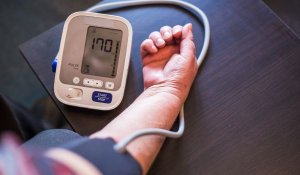
Why regular monitoring matters
Because high blood pressure often has no symptoms, regular measurement is the only way to know if it is present or controlled. Monitoring helps healthcare providers adjust care plans and reduce long-term risks.
Takeaway: High blood pressure is manageable with proper care
High blood pressure is common, serious, and often silent. With proper monitoring and medical guidance, risks can be lowered and long-term complications reduced. Ongoing communication with healthcare providers is an important part of protecting heart and overall health.
Frequently asked questions about elevated blood pressure
Does high blood pressure usually cause symptoms?
Most people with high blood pressure do not feel any different. This is why it is often called a silent condition. Symptoms such as headaches or dizziness are not reliable warning signs and often appear only when blood pressure becomes dangerously high. Regular medical checkups are the safest way to detect the condition early.
What is considered a normal blood pressure reading?
For most adults, a normal reading is below 120 over 80 millimeters of mercury. Readings between 120–129 systolic with lower diastolic values may be considered elevated. A healthcare provider determines what is appropriate for each person based on age and overall health.
What is the most common cause of high blood pressure?
The most common type is primary hypertension, which develops gradually over time. It is usually linked to aging, family history, diet, physical inactivity, and weight patterns. Often, several of these factors are present together rather than one single cause.
How long can elevated blood pressure go unnoticed?
High blood pressure can remain undetected for many years because it often causes no symptoms. During this time, damage may slowly occur in the heart, brain, kidneys, and blood vessels. This is why routine blood pressure checks are important even when someone feels well.
Can lifestyle changes really make a difference to blood pressure?
Yes. Healthy eating, regular activity, maintaining a healthy weight, and avoiding tobacco can all support better blood pressure control. These changes may reduce the amount of medication needed and lower long-term health risks when combined with medical care.
When is medication needed for high blood pressure?
Medication may be needed when blood pressure remains high despite lifestyle efforts or when readings are significantly elevated. Doctors choose medicines based on the person’s overall health and risk factors. Medication should always be taken under professional supervision.
Why is high blood pressure dangerous if there are no symptoms?
Even without symptoms, high blood pressure can damage vital organs over time. It increases the risk of heart attack, stroke, kidney disease, and vision problems. Early detection and proper management can significantly reduce these risks.
Can stress alone cause high blood pressure?
Stress can cause temporary rises in blood pressure because of hormone changes in the body. Long-term stress may contribute to unhealthy habits that raise blood pressure over time. Managing stress is often part of a broader care plan.
How often should blood pressure be checked?
Frequency depends on age, risk factors, and previous readings. Many adults benefit from at least yearly checks, while those with elevated readings may need more frequent monitoring as advised by their healthcare provider.