For decades, moderate drinking was praised for heart and brain protection, but science is rewriting that story. It’s hard to put it more bluntly than the World Health Organization did in its statement in January 2023, which said “No level of alcohol consumption is safe for health.”
Newer studies that are based on facts rather than myths are reaching the same conclusion!
It is time to rethink alcohol and health
For many years, alcohol sat in a special category in public health messaging. Unlike smoking, it was often framed as something that could be “good for you” in small amounts. A glass of wine with dinner was portrayed as heart‑friendly and even brain‑protective. According to Dr. JoAnn Manson of Harvard Medical School, this idea no longer holds up. As she put it, “We’ve been misled about alcohol and health.”
Recent findings published in BMJ Evidence‑Based Medicine have strengthened this shift in thinking. These analyses show that even low levels of drinking are linked to a higher risk of dementia. This evidence aligns closely with the World Health Organization’s 2023 position that no amount of alcohol can be considered safe for long‑term health.
The myths about moderate drinking
Much of what people believe about alcohol and health comes from older observational studies. These studies often reported that people who drank lightly lived longer and had fewer heart attacks or strokes than people who did not drink at all.
What was missed in those early studies were several important sources of bias:
- Groups labeled as “nondrinkers” often included people who had stopped drinking because of illness or medical advice.
- Moderate drinkers were more likely to have higher incomes, healthier diets, better access to healthcare, and more active lifestyles.
- These lifestyle advantages, rather than alcohol itself, likely explained the better outcomes.
When researchers adjusted for these differences, the apparent benefits of alcohol disappeared. What remained was a consistent pattern of harm, not protection. This applies not only to brain health, but also to heart disease, stroke, and overall lifespan.
The new evidence points directly toward a link between alcohol and dementia
The most compelling new data come from very large population studies that followed more than half a million people over time. These included:
- The UK Biobank that follows the lives of half a million volunteers to learn who falls ill and why
- The U.S. Million Veteran Program, a national research program looking at how genes, lifestyle, military experiences, and exposures affect health and wellness in U.S. veterans.
Participants were between 56 and 72 years old at the start of follow‑up, and nearly 15,000 cases of dementia were recorded. Researchers used a method called Mendelian randomization, which relies on genetic differences, to find realtionships that could be related to alcohol consumption. This approach helps clarify whether alcohol actually causes harm, rather than simply being associated with it.
The results were striking:
- Higher alcohol intake was linked to higher dementia risk.
- There was no sign that light or moderate drinking offered any protection.
- The relationship was steady and one‑directional, meaning risk increased as intake increased.
Some traditional studies still showed a U‑shaped curve, where moderate drinkers appeared healthier than nondrinkers. The new analyses explained this as reverse causation. People often begin to drink less as early cognitive decline develops, making it look as though lower drinking caused the problem, when in fact it followed it.
Alcohol’s biological impact on the brain
Beyond population statistics, laboratory and imaging studies help explain why alcohol harms the brain. Alcohol is directly toxic to nerve cells and promotes ongoing inflammation in brain tissue. Over time, this contributes to structural and functional damage.
Research has linked alcohol exposure to:
- Disruption of neurotransmitter balance
- Damage to white matter pathways
- Increased oxidative stress
These processes are closely tied to memory loss and reduced cognitive function. Alcohol also raises the risk of several conditions that indirectly worsen brain health, including high blood pressure, atrial fibrillation, heart failure, stroke, liver disease, and multiple cancers.
How much alcohol is too much
The newer studies do not identify a clear threshold below which alcohol becomes harmless. Even occasional drinking appears to carry measurable risk at the population level. This challenges the long‑standing belief in a “safe” daily drink of some “mild” form of alcohol – beer or wine, rather than hard spirits.
Current guidance increasingly reflects this reality:
- The World Health Organization states that no level of alcohol is safe.
- Canada’s updated guidelines suggest no more than two drinks per week.
- U.S. agencies are re‑examining older advice that framed moderate drinking as acceptable for heart health.
Risk rises more sharply beyond one drink per day for women and two drinks per day for men, but lower levels are not risk‑free.
Cognitive decline and reverse causation
“Reverse causation” sounds like a technical, academic phrase, but the idea behind it is actually very simple, and once understood, you’ll start to see it everywhere, especially when people are discussing health.
At its core, reverse causation is about getting the direction of cause and effect the wrong way around. Most of the time, when we hear a claim like this: “X causes Y”, we assume that X happens first, and Y happens later as a result.
For example:
- Smoking (X) causes lung cancer (Y)
- Lack of exercise (X) causes weight gain (Y)
- Too much sugar (X) causes diabetes (Y).
That’s the normal direction of causation: cause X produces effect Y.
Reverse causation happens when, in reality, the opposite is true – Y is actually causing X, or Y and X are linked, but Y came first. In other words, what looks like the cause is actually the consequence.
A very simple everyday example that we have heard in conversations with some customers: “People who take supplements are less healthy than those who don’t.” In fact, the statement is true, but the cause and effect have been switched. People take supplements because they feel less healthy, and are looking for a way to remedy that. Taking the supplement isn’t the cause, it’s the consequence.
Another health-linked example: “People who exercise less are more likely to develop serious illness.” At first glance, this seems obvious. Less exercise must lead to ill-health, right? But reverse causation looks at the question another way. Perhaps people stopped exercising because they were already feeling unwell.
One-sentence summary
Reverse causation is when we assume something caused a problem, when in fact the problem caused the behavior, or when the effect came before the supposed cause. Once you understand that, a lot of “obvious” health claims suddenly deserve a second look.
This concept matters greatly when interpreting studies about alcohol and dementia. Many earlier studies misread their results because people in the early stages of dementia often begin to drink less. When these individuals are grouped together with lifelong nondrinkers, it can falsely appear that moderate drinkers are healthier.
Genetic approaches such as Mendelian randomization help separate cause from consequence. By focusing on inherited traits linked to alcohol use across a lifetime, these analyses show that alcohol itself raises dementia risk, rather than protecting against it.
Global shifts in public health advice
Public health messaging around alcohol is changing worldwide. The shift mirrors earlier changes seen with tobacco, where initial uncertainty eventually gave way to clear warnings.
Recent developments include:
- Global recognition that alcohol contributes to cancer, heart disease, and cognitive decline.
- Lower recommended intake limits in several countries.
- Greater emphasis on prevention and early risk reduction.
Evidence shows that even small reductions in alcohol use can lower the risk of heart failure, cancer, and dementia over time.
What this means for patients and healthcare providers
For healthcare professionals, alcohol intake is now an important part of routine risk assessment, especially for adults over 50. Conversations are increasingly focused on correcting myths and highlighting safer ways to support long‑term brain and heart health.
For patients, gradual reduction and alcohol‑free days are commonly discussed strategies. It is also important to remember that alcohol can interact with many medications, including blood thinners, antidepressants, and diabetes treatments.
Simple habits that support heart and brain health
While alcohol reduction matters, it is only one part of a broader picture. Strong evidence supports several everyday habits that protect both cognition and circulation:
- Regular physical activity
- Mediterranean‑style eating patterns
- Good blood pressure control
- Consistent, restorative sleep
- Taking prescribed medications as directed
At IsraelPharm, healthy aging is supported through access to trusted medications commonly prescribed to manage cardiovascular and metabolic risks associated with aging. These include treatments such as:
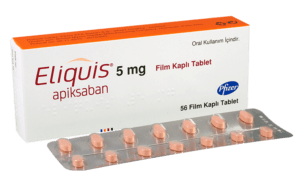
- Eliquis and Xarelto – used to reduce clotting risks and protect the heart
- Jardiance to support glucose control and provide a further level of heart safety.
- Aricept which is used to improve memory, especially in patients with early signs of dementia and Alzheimer’s.
Combined with lifestyle awareness, this approach helps protect long‑term health from multiple angles.
Takeaway thoughts
Alcohol does not protect the heart or the brain. The strongest modern evidence shows that it places strain on both. Reducing intake is one of the simplest steps available to support clearer thinking and healthier aging.
Science evolves, and health choices can evolve with it. Understanding the updated evidence allows people to make informed decisions without guilt or fear.
Frequently asked questions about alcohol and brain health
Does alcohol increase dementia risk at any level?
Large genetic and observational studies suggest that any amount of alcohol can increase dementia risk at the population level. While heavier drinking carries greater risk, no level has been shown to provide protection. Earlier ideas about safe or beneficial amounts were influenced by study design problems, including reverse causation and lifestyle differences.
Why did older studies suggest moderate drinking was healthy?
Many early studies compared moderate drinkers with groups that included people who had stopped drinking due to illness. Moderate drinkers also tended to have healthier lifestyles overall. When these factors were corrected, alcohol itself did not appear protective.
Are beer or wine “better” than other types of alcohol?
No strong evidence shows that wine is safer than beer or spirits for brain health. While wine contains antioxidants, these do not offset alcohol’s toxic effects on brain cells when consumed as a beverage.
Can reducing alcohol later in life still help?
Reducing alcohol at any age may lower future risk, particularly for heart disease and stroke, which strongly influence brain health. Although genetic risk reflects lifetime exposure, lifestyle changes still matter for overall health.
How does alcohol affect memory and thinking?
Alcohol interferes with neurotransmitters, increases inflammation, and damages brain structure over time. These effects can impair memory, attention, and processing speed, especially with long‑term use.
Should people stop drinking completely?
Decisions about alcohol are personal and should be discussed with a qualified healthcare provider. Current evidence supports the idea that less alcohol is safer, with zero being the lowest‑risk option for long‑term brain health.