What is Plan B?
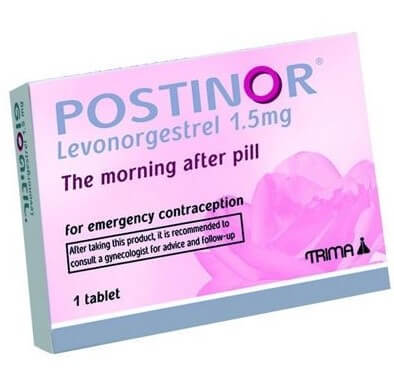
Plan B is an emergency contraceptive pill, commonly called the “morning-after pill.” Its purpose is to prevent pregnancy after unprotected sex or when primary birth control fails. The active ingredient is levonorgestrel, a synthetic hormone. This medication acts as a crucial backup to your regular contraception methods. It is not meant for routine use. Plan B provides a safe and effective way to reduce the risk of unintended pregnancy after a single event. It is available as a single-dose tablet for ease of use in a stressful situation.
How does Plan B work?
Plan B works primarily by preventing or delaying ovulation, which is the release of an egg from the ovary. Without an egg available, fertilization cannot occur. The medication may also work by preventing sperm from fertilizing the egg. It is important to understand that Plan B is not an abortion pill. It will not harm an existing pregnancy or terminate a fertilized egg that has already implanted in the uterus. Its effectiveness is highest when taken within 24 hours of unprotected intercourse. It must be taken no later than 72 hours (three days) after the event, as its effectiveness decreases over time.
Who is Plan B for?
Plan B is for individuals who need to prevent pregnancy after unprotected sexual intercourse. This includes situations where no birth control was used. It is also for cases where a primary method of contraception may have failed. For example, a condom might break or slip off during use. Someone may forget to take their daily birth control pills. A contraceptive patch could fall off or an injection could be missed. Plan B is also a necessary option for those who have experienced nonconsensual intercourse. It serves as an essential second chance to prevent an unplanned pregnancy.
Dosage and administration
Plan B is administered as a single oral tablet containing 1.5 mg of levonorgestrel. The tablet should be swallowed as soon as possible, but no more than 72 hours after unprotected intercourse. The sooner you take it, the more effective it will be. It can be taken with or without food. If you vomit within two hours of taking the pill, you should contact a doctor or pharmacist. They may advise you to take another dose to ensure its effectiveness. Always follow the instructions provided with the product for the best outcome.
Side effects
Plan B can cause side effects, though not everyone who takes it will experience them. Most symptoms are mild and resolve on their own within a day or two. If side effects are severe or persist, you should consult a healthcare professional. Some possible side effects include:
- Nausea or vomiting
- Lower abdominal pain or cramps
- Headache
- Tiredness or fatigue
- Dizziness
- Breast tenderness
- Irregular bleeding or spotting before your next period
Your next period may be earlier, later, or heavier than usual. If your period is more than a week late, you should take a pregnancy test.
Why buy from IsraelPharm?
Plan B can be purchased from IsraelPharm for convenient and discreet access to this essential medication. Having an emergency contraceptive on hand before you need it can provide significant peace of mind. We offer competitive pricing, allowing you to be prepared without a high cost. Our pharmacy sources genuine medications, so you can trust the quality and effectiveness of your purchase. We ship orders in discreet packaging directly to your home, protecting your privacy. This ensures you have a safe and reliable backup plan ready for when life is unpredictable.
Most people who use Plan B do not experience significant side effects. However, some temporary symptoms are possible. The most commonly reported side effects include:
- Nausea and vomiting
- Irregular bleeding or spotting until your next period
- Lower abdominal pain
- Tiredness or fatigue
- Headache
- Breast tenderness
- Diarrhea
- Dizziness
These side effects are usually mild and short-lived. If your period is more than a week late, or if you experience severe abdominal pain, you should see a doctor right away.
Plan B is indicated for emergency contraception to reduce the chance of pregnancy after a single episode of unprotected intercourse or contraceptive failure. Use may be necessary in the following situations:
- When no birth control was used during intercourse.
- If a barrier method like a condom broke or slipped.
- After missing two or more active birth control pills in a row.
- Following the failure of another contraceptive method.
- After an act of nonconsensual sexual intercourse.