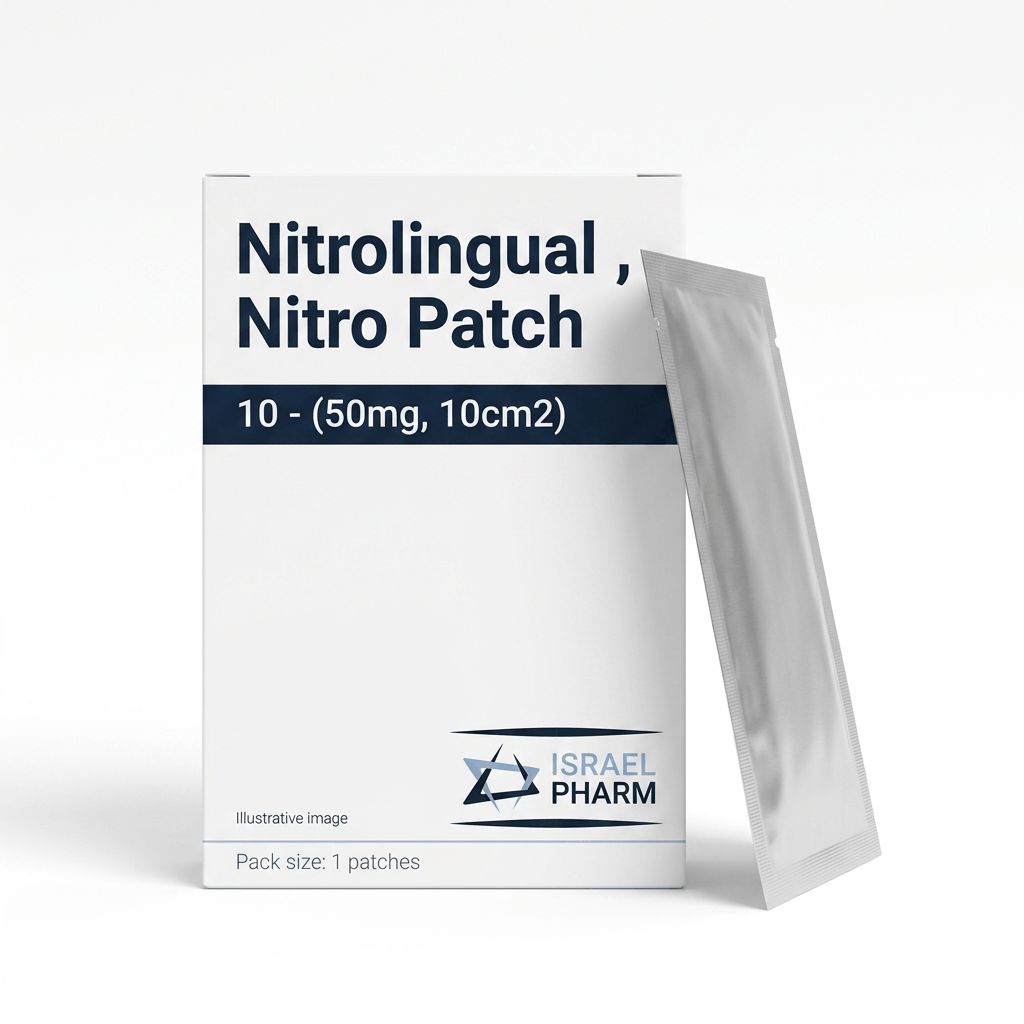
What is Nitrolingual?
Nitrolingual is a vasodilator medication used to treat and prevent attacks of angina. Angina is chest pain that occurs when the heart muscle does not get enough oxygen-rich blood. This medication contains the active ingredient glyceryl trinitrate, which works to relieve this pain. It is available in two forms. One is a lingual spray (Nitrolingual). The other is a transdermal patch (Nitro Patch). Each form serves a specific purpose in managing angina symptoms.
How does Nitrolingual work?
Nitrolingual works by relaxing and widening the blood vessels in your body. This process is known as vasodilation. By widening the arteries and veins, the medication reduces the strain on the heart. It allows more blood to flow to the heart muscle, improving oxygen supply. This action effectively reduces the heart’s workload. It also relieves the chest pain associated with an angina attack. The spray provides very rapid relief for acute attacks. The patch offers continuous, long-term prevention of angina episodes.
Who is Nitrolingual for?
Nitrolingual is for adults who have been diagnosed with coronary artery disease and experience angina. It is prescribed for patients who need immediate relief from sudden chest pain. It is also for those who require long-term management to prevent angina attacks from occurring. For example, some patients use the spray before physical activity to prevent chest pain. The patch is for patients who need steady, around-the-clock protection. A doctor must determine if this medication is appropriate for you.
Dosage and administration
Nitrolingual dosage and administration depend on the form of the medication and your doctor’s instructions. For the Nitrolingual spray, the typical dose is one or two sprays under the tongue at the start of an angina attack. This dose can be repeated every five minutes for a total of three doses. If pain continues, you should seek emergency medical help. For the Nitro Patch, one patch is usually applied once daily. It should be placed on a clean, dry, and hairless area of the upper body. Always rotate the patch site to avoid skin irritation. A daily patch-free period is often recommended.
Side effects
Nitrolingual may cause side effects, though not everyone will experience them. The most common side effect is a headache, especially when first starting the medication. Other potential side effects include dizziness, lightheadedness, nausea, and flushing of the skin. These symptoms often lessen as your body adjusts to the treatment. It is important to stand up slowly to prevent fainting. In rare cases, a severe allergic reaction may occur. Seek immediate medical attention for symptoms like facial swelling or severe rash.
Why buy from IsraelPharm?
IsraelPharm offers a safe, convenient, and affordable source for your essential medications, including Nitrolingual. We are committed to providing authentic, high-quality treatments sourced from reliable manufacturers. Our easy-to-use online platform allows you to order your prescriptions from the comfort of your home. We provide competitive pricing to help you save on your healthcare costs. With discreet and reliable shipping directly to your door, managing your heart condition has never been simpler. Trust IsraelPharm for your medication needs.
Possible Side Effects of Nitrolingual
Most users do not experience major side effects. However, some common side effects of Nitrolingual may include:
- Headaches
- Nausea or stomach discomfort
- Vomiting
- Dizziness or lightheadedness
- Flushing (warmth and redness of the skin)
These effects often decrease as your body adjusts to the medication. Contact your doctor if they persist.
Severe Allergic Reactions
Seek immediate medical help if you experience signs of a severe allergic reaction, such as swelling of the face or throat, difficulty breathing, wheezing, or a severe skin rash.
What is Nitrolingual prescribed for?
Nitrolingual and Nitro Patch are prescribed to manage angina pectoris, a type of chest pain, in two main ways:
- For the immediate relief of a sudden angina attack.
- For the long-term prevention of future angina attacks.