Introducing Menopause Hormone Therapy
Menopause hormone therapy (MHT) is a new term for what used to be called hormone replacement therapy or HRT. If you’ve never heard about menopause hormone therapy, it’s worth remembering that the change of name
Spend $99, get free U.S. shipping*
Tariff now required on U.S. shipments. Learn more »
Tel: 1-866-456-3768 Fax: 1-866-544-8993
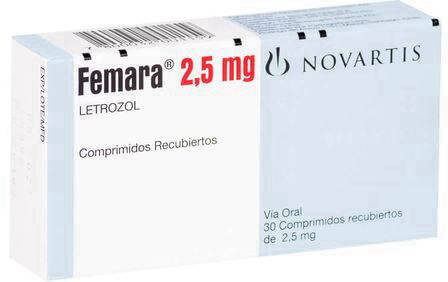
For visual reference only; actual product may vary
US Name:
Femara
Alternative Names:
Femara, Teva-Letrozole
Active Ingredients:
Letrozole
Brand Manufacturer:
Novartis
Manufacturer Location:
Switzerland
Click here to view Product Insert
For visual reference only; actual product may vary
Femara (Letrozole) is an oral aromatase inhibitor used to treat specific types of breast cancer in postmenopausal women. By reducing the body’s estrogen production, it effectively slows or stops the growth of hormone-sensitive cancer cells. It is also a common off-label choice for inducing ovulation in women with fertility challenges.
| Femara Brand | 2.5mg 30 Tablets |
-
|
Our price: $130.00 |
|
| Teva-Letrozole Brand | 2.5mg 30 Tablets |
-
|
Our price: $31.00 |
|
| Dex-Letrozole Generic | 2.5mg 30 Tablets |
-
|
Our price: $39.00 |
Femara is a brand-name prescription medication containing the active ingredient letrozole. It belongs to a class of drugs known as aromatase inhibitors. Doctors primarily prescribe Femara to treat hormone receptor-positive breast cancer in women who have gone through menopause. This type of cancer relies on the hormone estrogen to grow. Femara can be used as an initial treatment or after other treatments, like surgery or tamoxifen. Additionally, it is often used off-label to help stimulate ovulation in women who are trying to conceive but have certain fertility issues, such as polycystic ovary syndrome (PCOS).
Femara works by blocking an enzyme in the body called aromatase. This enzyme is responsible for converting other hormones (androgens) into estrogen in fatty tissues. By inhibiting aromatase, Femara significantly lowers the amount of estrogen circulating in a postmenopausal woman’s body. Since many breast cancers are hormone receptor-positive, their growth is fueled by estrogen. Reducing estrogen levels helps to slow down or even stop the growth and spread of these cancer cells. For infertility, this drop in estrogen tricks the brain into producing more follicle-stimulating hormone (FSH), which encourages the ovaries to release an egg.
Femara is primarily intended for postmenopausal women diagnosed with hormone-receptor-positive breast cancer. This includes women who require initial (adjuvant) treatment after surgery. It is also suitable for women who have completed five years of tamoxifen therapy (extended adjuvant treatment). Furthermore, Femara is prescribed for advanced or metastatic breast cancer that has progressed after other anti-estrogen treatments. An important secondary group includes premenopausal women with specific infertility issues, for whom Femara is used off-label to induce ovulation as part of a fertility treatment plan overseen by a specialist.
Femara dosage and administration should always be determined by a healthcare provider. The standard recommended dose is one 2.5 mg tablet taken orally once per day. It is best to take your tablet at the same time each day to maintain consistent levels of the drug in your body. The tablet can be taken with or without food. Swallow the tablet whole with a glass of water. For breast cancer treatment, you may need to take Femara for several months or even years. For fertility treatment, the dosage and timing are very specific to your menstrual cycle. Always follow your doctor’s instructions carefully and do not stop taking it without consulting them.
Femara is generally well-tolerated, but it can cause side effects in some people. The most common side effects are related to its estrogen-lowering effects. These include hot flashes, joint pain, muscle aches, fatigue, and headaches. Some people may also experience dizziness, increased sweating, or nausea. A more serious potential side effect is a decrease in bone mineral density, which can increase the risk of osteoporosis and fractures. Your doctor may monitor your bone health during treatment. Less common side effects can include high cholesterol, hair thinning, and mood changes. Most side effects are mild and may lessen over time. However, you should report any persistent or severe side effects to your doctor.
IsraelPharm offers a secure and affordable way to access authentic Femara. We are committed to patient safety and providing medications from trusted manufacturers like Novartis. Our streamlined online platform makes ordering your prescription simple and convenient. We provide transparent pricing and reliable international shipping directly to your home. Our customer care team is available to assist with any questions about your order. By choosing IsraelPharm, you prioritize both your health and your budget, receiving the same high-quality medication you would find locally but at a more accessible price point.
Most individuals using Femara do not experience severe side effects. The benefits of treatment usually outweigh the risks. However, some common side effects may occur:
More serious but less common side effects can include bone density loss (osteoporosis), severe dizziness, or signs of a blood clot. Contact your doctor if you experience persistent or bothersome symptoms.
Femara is primarily indicated for treating hormone receptor-positive breast cancer in postmenopausal women. It is also used off-label as a fertility treatment to induce ovulation.
Signs of breast cancer can include:
Femara is used to stimulate the ovaries to release an egg in women who do not ovulate regularly.

Femara works by significantly lowering estrogen levels in postmenopausal women. It blocks an enzyme called aromatase, which is needed to produce estrogen in the body's tissues. Since many breast cancers need estrogen to grow, reducing this hormone helps to slow down or completely stop the growth of cancer cells. This makes it an effective treatment for hormone receptor-positive breast cancer.
Femara is often used off-label to help women who have trouble ovulating. By lowering estrogen for a short time, Femara triggers the brain to release more follicle-stimulating hormone (FSH). This increase in FSH stimulates the ovaries, encouraging them to develop and release an egg. This process, known as ovulation induction, can increase the chances of pregnancy for women with conditions like PCOS.
The standard dose of Femara is one 2.5 mg tablet taken once a day. You should try to take your dose at the same time each day to keep the drug level in your body stable. Femara can be taken with or without food. Always swallow the tablet whole with a glass of water. Follow your doctor’s instructions exactly and do not change your dose without consulting them.
If you miss a dose of Femara, take it as soon as you remember. However, if it is almost time for your next scheduled dose, you should skip the missed dose and resume your regular schedule. Do not take two tablets at the same time to make up for a missed one. This can increase your risk of side effects. If you are unsure, contact your doctor or pharmacist.
Femara may cause weight gain in some people, though it is not one of the most common side effects. Changes in hormone levels can affect metabolism and fluid retention, which might lead to an increase in weight. If you notice significant weight gain while taking Femara, it is a good idea to discuss it with your doctor. They can help you manage it with diet and exercise.
The duration of Femara treatment depends on your specific medical condition. For early-stage breast cancer, treatment often lasts for five years, sometimes longer. In cases of advanced breast cancer, you might continue taking Femara as long as it remains effective. For fertility treatment, it is typically taken for only about five days during your menstrual cycle. Always follow your doctor's recommendation for your treatment duration.
Yes, Femara can potentially weaken your bones over time. By lowering estrogen levels, it can lead to a decrease in bone mineral density. This may increase your risk for developing osteoporosis and having fractures. Your doctor will likely monitor your bone health with bone density scans during your treatment. They may also recommend calcium and vitamin D supplements to help protect your bones.
Femara and Tamoxifen are both used for hormone-positive breast cancer but work differently. Femara is an aromatase inhibitor that stops estrogen production in postmenopausal women. Tamoxifen is a selective estrogen receptor modulator (SERM) that blocks estrogen's effect on cancer cells. Femara is only effective in postmenopausal women, while tamoxifen can be used in both premenopausal and postmenopausal women. Your doctor chooses the best option based on your specific situation.
Femara may cause dizziness or fatigue, and alcohol can worsen these effects. While moderate alcohol consumption is not strictly forbidden, it is wise to be cautious. Pay attention to how you feel and consider limiting your alcohol intake. If you feel dizzy or unwell, it is best to avoid alcohol completely. Always discuss your alcohol use with your healthcare provider for personalized advice.
The most frequently reported side effects of Femara include hot flashes, fatigue, and joint or muscle pain. These happen because the medication lowers estrogen levels in the body. Other common effects can include increased sweating, nausea, headache, and dizziness. Most of these side effects are mild and may improve as your body adjusts to the medication. Inform your doctor if any side effects persist or become bothersome.
Femara can cause hair thinning or hair loss in a small percentage of users. This side effect is due to the hormonal changes caused by the medication. For most people, the hair loss is not severe and may be more like thinning than complete baldness. The effect is usually temporary and may improve after your body gets used to the medication or after you complete your treatment. Talk to your doctor if you are concerned about hair loss.
Femara should be stored at room temperature, below 86°F (30°C). Keep the tablets in their original packaging to protect them from moisture and light. Store the medication in a dry place away from the reach of children and pets. Do not store it in a bathroom, as the humidity can damage the tablets. If the packaging is damaged, do not use the medication inside.
Send Your Prescription
No Hidden Fees
Generally 7-10 Business Days

IsraelPharm has been delivering lost cost prescriptions from Israel for over 15 years worldwide. Daily flights allow us to get your medications dispatched fast! Delivery to the USA is under 10 days and you can track and trace every order.
Menopause hormone therapy (MHT) is a new term for what used to be called hormone replacement therapy or HRT. If you’ve never heard about menopause hormone therapy, it’s worth remembering that the change of name

You’ve probably seen headlines questioning the safety of GLP-1 medicines – the cornerstone of the wave of the latest drugs that have revolutionized many areas of healthcare, primarily in control of type 2 diabetes and

People whose weight is higher than what is considered healthy for their height are described as having excessive body mass, clinically defined as being overweight or obese. Both of these can increase a person’s risk