What is Mounjaro?
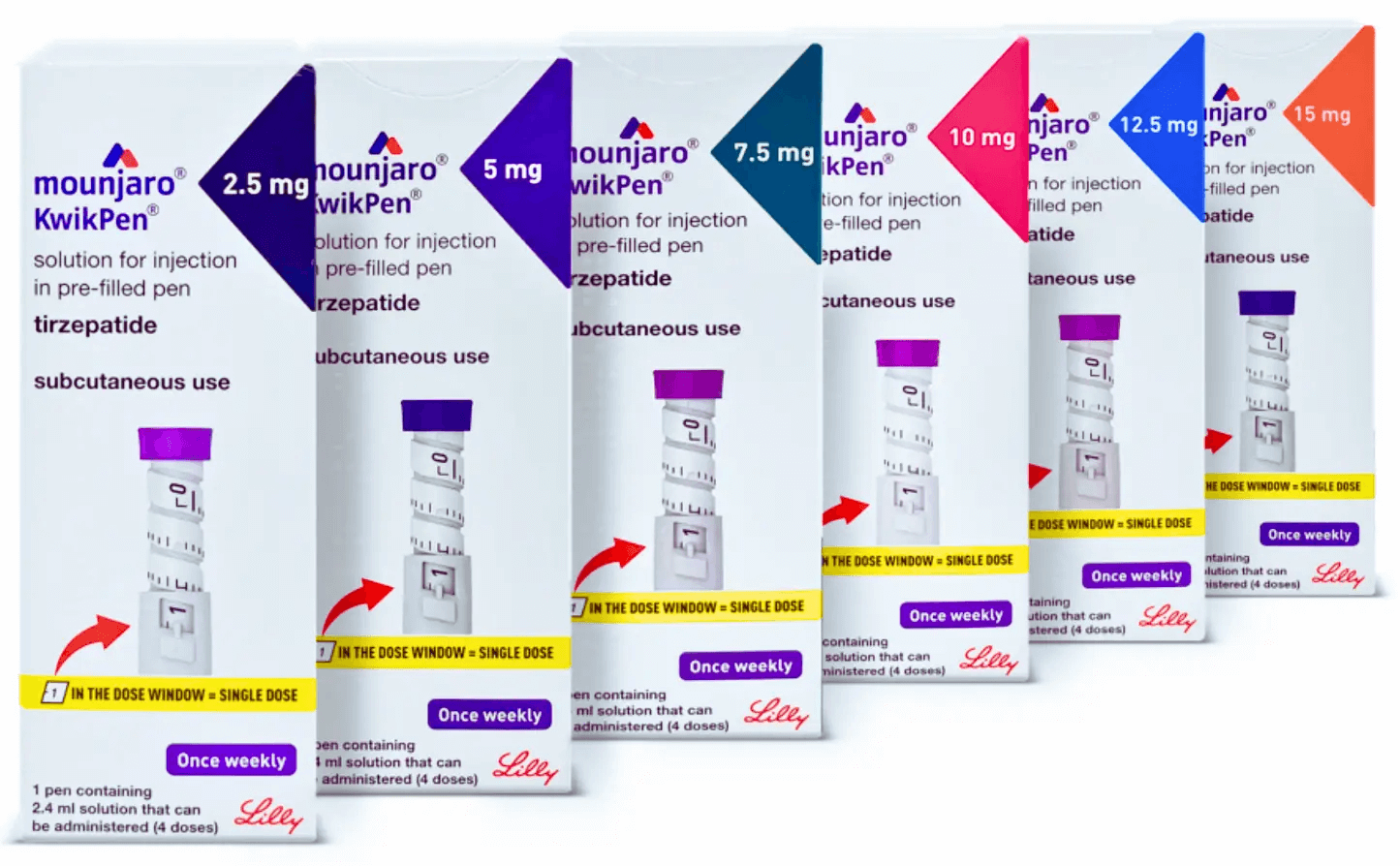
Mounjaro (tirzepatide) is an injectable prescription medicine for adults with type 2 diabetes used to improve blood sugar control. It is a first-in-class medication that activates both glucose-dependent insulinotropic polypeptide (GIP) and glucagon-like peptide-1 (GLP-1) receptors, making it a powerful tool for managing diabetes. Mounjaro is intended to be used alongside a healthy diet and regular exercise. While it is highly effective at managing blood sugar, it is not a cure for diabetes and is not intended for use in people with type 1 diabetes.
How does Mounjaro work?
Mounjaro works by activating two natural receptors in your body, GIP and GLP-1, to help regulate your blood sugar after you eat. When you consume food and your blood sugar rises, Mounjaro stimulates your pancreas to release insulin, which helps your body’s cells absorb sugar for energy. It also slows down the process of food leaving your stomach, which helps you feel full for a longer period and can reduce your appetite. This dual-action mechanism not only improves glycemic control but also often results in weight loss.
Who is Mounjaro for?
Mounjaro is primarily for adults with type 2 diabetes who need help managing their blood sugar levels. Your doctor may prescribe it as a standalone therapy or in combination with other diabetes medications. Additionally, due to its significant effect on weight, Mounjaro is sometimes prescribed off-label for chronic weight management. It may be suitable for adults who are obese (BMI of 30 or higher) or overweight (BMI of 27 or higher) and have at least one weight-related medical problem, such as high blood pressure, high cholesterol, or sleep apnea. A healthcare provider will determine if Mounjaro is an appropriate treatment for your specific condition.
Dosage and administration
Mounjaro is administered as a once-weekly injection under the skin of your stomach, thigh, or upper arm. It is important to follow your doctor’s prescribed dosage, as treatment typically starts with a low dose that is gradually increased over time to improve tolerance and reduce side effects. You should take your injection on the same day each week, at any time of day. Be sure to rotate your injection site with each dose to avoid skin irritation. If you miss a dose, you can take it within four days (96 hours) of the missed day; otherwise, skip it and resume your regular weekly schedule.
Side effects
The most common side effects of Mounjaro are related to the digestive system, including nausea, diarrhea, vomiting, and constipation. These issues are most frequent when starting the medication or increasing the dose and typically lessen over time. However, Mounjaro can also cause more serious side effects. It has a boxed warning for a risk of thyroid tumors, including a type of thyroid cancer called medullary thyroid carcinoma (MTC). You should not use Mounjaro if you or a family member has a history of MTC or Multiple Endocrine Neoplasia syndrome type 2 (MEN 2). Other serious risks include pancreatitis, gallbladder problems, low blood sugar (hypoglycemia), and changes in vision. Seek immediate medical attention if you experience severe abdominal pain, symptoms of an allergic reaction, or a lump in your neck.
Why buy from IsraelPharm?
IsraelPharm offers a convenient and affordable way to get your prescribed Mounjaro medication delivered directly to your door. We provide authentic, brand-name medications sourced from trusted suppliers, ensuring you receive the same quality treatment you would from a local pharmacy. By navigating global pharmaceutical markets, we can offer competitive prices that make managing your health more accessible. Our user-friendly online platform and dedicated customer support team make the process of ordering and refilling your prescriptions simple, secure, and stress-free, empowering you to take control of your health.
”’
Most individuals using Mounjaro do not experience severe side effects. However, like any medication, it has potential risks. The most frequently reported adverse effects include:
- Nausea
- Diarrhea
- Decreased appetite
- Vomiting
- Constipation
- Indigestion or stomach pain
These side effects often occur during dose escalation and tend to diminish over time.
Serious Side Effects
Seek immediate medical attention if you experience any of the following:
- Pancreatitis: Severe, persistent stomach pain that may radiate to your back, with or without vomiting.
- Gallbladder Problems: Symptoms like pain in your upper abdomen, fever, yellowing of the skin or eyes (jaundice), or clay-colored stools.
- Hypoglycemia (Low Blood Sugar): Increased risk when used with insulin or sulfonylureas. Symptoms include dizziness, sweating, confusion, and shakiness.
- Allergic Reactions: Swelling of the face, lips, tongue, or throat; difficulty breathing; or a severe rash.
- Vision Changes: Report any new or worsening changes in your vision to your doctor.
- Kidney Problems: Diarrhea, nausea, and vomiting can cause dehydration, which may worsen existing kidney issues.
Boxed Warning: Thyroid Tumors
Mounjaro may cause thyroid C-cell tumors, including a type of cancer called medullary thyroid carcinoma (MTC). Do not use Mounjaro if you have a personal or family history of MTC or if you have Multiple Endocrine Neoplasia syndrome type 2 (MEN 2). You should be vigilant for symptoms such as a lump in your neck, hoarseness, or trouble swallowing.
”’
Mounjaro (tirzepatide) is primarily indicated for the management of type 2 diabetes in adults. It is used to improve glycemic control in conjunction with diet and exercise.
- Type 2 Diabetes: Helps lower blood sugar (HbA1c) levels in adults.
- Weight Management: While not its primary FDA approval, it is also effective for weight loss and may be prescribed for chronic weight management in obese or overweight adults with related health conditions.



 Healthy Weight Pack