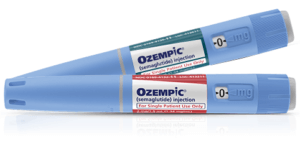

“Wegovy pill” is a term that’s gathering a lot of interest on social media platforms. It refers to a new FDA-approved oral semaglutide tablet doctors can prescribe for weight management. This gets attention because most people are aware of the tremendous changes that the introduction of GLP-1 medications such as Ozempic and Wegovy have made in the treatment of both type 2 diabetes and of obesity.
Novo Nordisk introduced Wegovy in June, 2021 as an FDA-approved weight-loss product delivering higher-dose semaglutide via weekly injections. At the end of 2025, FDA approval was given for a once-daily Wegovy pill option for chronic weight management. The new release is so recent that there’s not enough information around yet to prompt people to ask their healthcare provider for approval, so they are turning to the internet to find out more.
GLP-1 for weight loss
Evidence supports GLP-1 medicines as the most effective current option for sustained weight loss. In modern obesity trials, weight loss of around 15% is the average, and many people achieve as much as 25% loss measured relative to starting body weight.
Frequently asked questions about the Wegovy pill

Can you order Rybelsus online?
Rybelsus can be ordered online through licensed pharmacies that dispense prescription medicines properly. The key issue is legitimacy, not convenience.
IsraelPharm has been a trusted route for delivery of GLP-1 receptor agonist medications for many customers in the US from the very beginning, and has built supply routes that supported shipments throughout the periodic shortages that curtailed deliveries to U.S. consumers in 2024-25. Our prices are often positioned 30-40% lower than U.S. retail pharmacy levels. Our established direct delivery supply chain guarantees that the special requirements for sensitive medications will be handled professionally door-to-door.
Is Wegovy available as a pill?
Yes, Wegovy is available as a pill in the United States. Public announcements in late 2025 described the once-daily oral Wegovy tablet as having just been approved for chronic weight management.
Wegovy “injection” and Wegovy “pill” are different dosage forms under the same brand name. The effect is similar- weight management – but the dosing schedule and absorption are different.
FDA labeling for Wegovy tablets mandates a step-by-step increase of daily dose with escalation to full strength (14mg) once the person is stable. Once target weight has been achieved, there could be a gradual decrease to a maintenance dose. Specific dosing details should come from the prescribing healthcare provider, not social media blogs.
Why are people searching for information about the Wegovy pill?
People search for Wegovy pill because many want the weight-loss results associated with semaglutide without the hurdle of injections. Convenience and adherence are not minor issues. They often decide whether a person stays on therapy long enough to see meaningful change and stays on it to avoid any rebound.
Interest in the Wegovy pill is also driven by supply and pricing pressures. When weekly injections are in short supply or priced out of reach, interest shifts toward tablets as a functional alternative.
Confusion is common. Some products marketed online as “Wegovy pills” are not FDA-approved Wegovy tablets. Sourcing from a reliable and registered pharmacy, not from adverts, should be the gold standard.
What is Rybelsus?
Rybelsus is an oral semaglutide tablet originally prescribed for diabetes management. It is a daily tablet that delivers semaglutide through the digestive tract rather than through injection.
Rybelsus has also been widely discussed as a tool for treating obesity, because semaglutide reduces appetite. However, the originally approved doses of semaglutide in Rybelsus are lower than Wegovy’s dosing, which is optimized for obesity. That typically means patients achive lower weight loss on average.
Rybelsus remains important because it offers a non-injection option for people who don’t want to use pens and who still need semaglutide-based therapy under healthcare supervision.
Is Rybelsus the same as Wegovy or Ozempic?
Rybelsus, Wegovy, and Ozempic share semaglutide as their active ingredient, but they are not the same medication in practice. The product labeling, dosing, and approved use differ.
Wegovy products are approved specifically for weight management. Ozempic is approved for diabetes management. Rybelsus is an oral semaglutide product that has only been approved for diabetes management. It is included in discussions about weight loss because of the appetite-suppressing effects of semaglutide.
What’s the main difference between Rybelsus and Wegovy?
The main difference is mode of delivery. Wegovy injection delivers semaglutide through weekly injection. Wegovy pill and Rybelsus deliver semaglutide orally, but the approved doses and the evidence base for weight management are not identical.
So far, there hasn’t been a single head-to-head clinical trial to match Ryblesus against the new Wegovy pill. Separate PIONEER REAL world-wide trials (Rybelsus vs placebo) and SUSTAIN trials (Wegovy vs placebo) showed that while Wegovy consistently delivered better results, Rybelsus had better acceptance, with fewer people rejecting it completely, or dropping out of the trial.
Another difference is that Wegovy products are designed and labeled for weight management, while Rybelsus has historically been designed and labeled for diabetes. That difference influences dose strength, typical outcomes, and what insurers will cover.
Does Rybelsus work for weight loss?
Rybelsus can lead to weight loss, but it is usually modest at the doses that were developed for diabetes. Real-world studies of oral semaglutide at 14 mg show some people seeing less than 10% weight loss and a large subgroup seeing less than 5%.
Still, these results can still be meaningful, especially when combined with sustained lifestyle changes, but they are not typically the 15-20% numbers commonly associated with higher-dose obesity trials.
Expectations should be grounded on a doctor’s recommendation and targets, not in the general reputation of semaglutide as a category.
Who can Rybelsus be approved for?
Rybelsus is approved for adults with type 2 diabetes as part of a medical plan for glucose control. It is not positioned as a first-line, FDA-labeled obesity medicine in the way Wegovy products are.
That approval status matters because it influences insurance reimbursement, and how doctors assess benefit versus risk.
How do you take Rybelsus correctly?
Rybelsus requires strict timing because absorption is sensitive to the content of the stomach. The tablet is meant to be taken on an empty stomach with a small amount of water, followed by a waiting period before food, drink, or other medications.
When the timing instructions are ignored, blood levels can drop and effectiveness can fall. That can lead to the impression that Rybelsus is failing, when the real issue is absorption inconsistency. Product-specific directions are included in the patient information leaflet, and should always come with guidance from the prescribing doctor.
What are the most common side effects of oral semaglutide?
The most common side effects of oral semaglutide are gastrointestinal. They often show up during dose escalation and improve over time, but some people stop treatment because side effects remain disruptive.
- Nausea.
- Vomiting.
- Diarrhea.
- Constipation.
- Abdominal discomfort.
Semaglutide products also carry important warnings and precautions in labeling. A healthcare professional can help interpret these risks based on personal medical history.
Can you switch from Wegovy to Rybelsus?
Switching between semaglutide products is possible under doctor supervision, but it is not a simple swap. Differences in dose, absorption, and indication can change both results and tolerability.
In general, switching from an obesity-optimized semaglutide product to a lower-dose oral semaglutide product can reduce weight-loss effect, and weight regain may occur.
Switch decisions should be made only with a qualified healthcare professional, especially when there are other medical conditions in the background.
What are the benefits of oral Wegovy over injections?
Oral Wegovy offers the main benefit of avoiding injections while staying with an FDA-approved obesity treatment plan. Convenience can improve long-term adherence, and adherence is a major driver of outcomes. Oral therapy may also reduce a “start-stop” pattern that happens when people delay doses because of travel, discomfort with needles, or difficulty getting supplies.
The trade-off is that oral therapy still has absorption constraints and requires strict administration routines. For some people, that routine feels easier than injections. For others, it feels harder.