
Health trends are easiest to spot when the focus stays close to the present rather than far-off predictions. Looking ahead to 2026, several forces are already shaping how care is delivered, how medications are developed, and how people managing long-term and chronic conditions can find relief from the growing impact of excessive medication costs. These changes are being driven by late-stage drug trials, rising prescription costs, and a steady shift toward digital systems that prioritize access and convenience.
The development of new treatments for chronic medical conditions is a very slow and costly process. It’s not unusual for it to take ten years or more from the very first step, which is finding a possible solution to a known problem, to actually getting approval from the authorities, such as the FDA or other such national authorities, and then bringing the drug to market. This makes the prediction of events likely to occur in the future too much of a guessing game for anyone to state with confidence what will happen over a span of several years. But there is a way to be more assured when reporting on health trends, when the timeframe is narrowed down to the immediate future – say in the next 12 months.
One of the last steps in the stream of drug development is what’s called a “head to head” trial, that compares the new drug’s performance in comparison to the results that come from existing drugs that have already been approved. This stage of testing can only come after the laboratories have conducted smaller trials that test the new drug on its own for efficiency and safety.
A “head to head” is conducted on a large group of patients who are known to have the condition. The standard format is an open-label randomized clinical trial. The trial splits the pool of candidates in half, and because it’s an “open-label” trial, the scientists and clinicians have no knowledge of which group is receiving which drug. In this way, there can be no preconceived bias in favor of one or the other.
For people who are interested in spotting the likely trends in healthcare just over the horizon, keeping tabs on the announced results of stage 3 head-to-head trials is probably the best way of being informed of the most promising developments in the coming year. This overview summarizes the health trends that appear most relevant for 2026, without making predictions or promises, because there are still important steps that manufacturers must complete before new products reach pharmacy shelves.
At IsraelPharm, the focus on affordable, transparent medication delivered directly to the customer aligns with what many people will need most in 2026: clarity, reliability, and support.
Areas of greatest interest in 2026

Some specific areas where the most exciting changes are bearing immediate fruit are:
- Oral weight-loss drugs
- Using artificial intelligence to speed-up the whole process of development from idea to production
- Novel class (revolutionary) new treatments for:
- Depression
- Neurodegenerative conditions (ALS, Parkinson, Myasthenia gravis)
- Multi-respiratory vaccines (combines resistance to COVID-19, ‘flu, rhinovirus)
- Non-injectable (oral) epinephrine
- Logistics – shifting from on-store visits to direct delivery.
- Telehealth
Oral weight-loss treatments
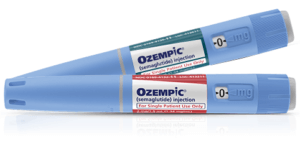
Interest in oral weight-loss medications reflects both rising obesity rates and sustained GLP-1 demand. Until now, the explosion in the use of self-injected medications like Ozempic, Wegovy, Mounjaro and Zepbound, has cornered public interest, but recent publications, such as the results of Eli Lilly’s ACHIEVE 3 head-to-head trial of orforglipron compared to oral semaglutide (Rybelsus) , are offering a new and simpler route for people who are looking for help in weight management.
Oral formulations remove the barrier of injections and may broaden access for people who are reluctant or unable to use injectable therapies. This category remains one of the most closely watched areas going into 2026.
Artificial intelligence in drug development
Digital health tools, particularly artificial intelligence, are reshaping how new treatments move from concept to approval. AI is being used to identify promising compounds, refine trial design, and analyze data more efficiently. While largely invisible to patients, these tools may influence how quickly new medications reach the market.
Novel class drugs
Several late-stage programs involve treatments that do not fit into existing categories. These include potential new therapies for depression, neurodegenerative disorders such as ALS and Parkinson’s disease, combined respiratory vaccines, and non-injectable emergency treatments like oral epinephrine. Each reflects a shift toward patient-friendly formats and broader usability.
Logistics
A quiet but important shift in healthcare logistics is underway, with medication access moving steadily from in-store pharmacy visits to online ordering and home delivery. For people managing ongoing prescriptions, digital fulfillment reduces friction by removing travel, wait times, and repeated in-person interactions. As expectations around convenience rise, reliable delivery systems are becoming a core part of how modern medication access is structured.
Telehealth and remote care
Telehealth is now part of routine care rather than a temporary solution. Remote consultations, digital follow-ups, and automated reminders are increasingly standard. People expect convenience and clarity across every step of care, including how prescriptions are filled and delivered. These expectations are driving adoption of streamlined digital workflows and remote monitoring tools.
The cost squeeze will continue in 2026
Prescription cost trends remain a defining issue. Drug prices climbed all through 2025, and there is no immediate relief in sight. Many people are becoming more aware of the gap between what Americans pay for medications and prices in other advanced economies.
This pressure is felt most strongly by those managing chronic conditions such as diabetes, cardiovascular disease, hormonal disorders, obesity, and age-related conditions. As costs rise, interest continues to grow in alternatives that move beyond traditional brick-and-mortar pharmacy models and into digital systems designed for transparency.
Customers are looking for reliable affordable medication alternatives more than ever. Now is the time to break out of the traditional mode, and step into the new era of international online medication procurement.
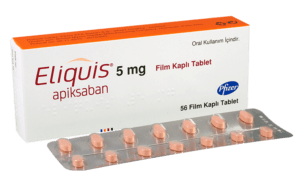
Our customers increasingly opt for our trusted pharmacy delivery service because we offer transparent pricing, especially for brand-name medications like Eliquis, Ozempic, Wegovy, Jardiance, and many others.
Chronic condition management dominates health trends in 2026
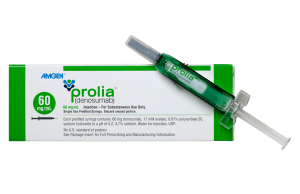
An aging population means continued growth in demand for long-term therapies. Management of metabolic health, cardiovascular conditions, bone density, and women’s health is becoming central to many care plans.
People managing ongoing conditions often need education, consistency, and predictable access to medications. Reliable home delivery and stable pricing play an increasing role in adherence and long-term planning, reinforcing the importance of affordable medication access.
Takeaway thoughts for the coming year
Looking toward 2026, several patterns stand out. Prescription budgets remain under pressure. Digital tools increasingly support long-term care plans. Expectations around convenience continue to rise.
Nearly 50,000 U.S. customers already use IsraelPharm’s home delivery services, that provide safety, complete privacy, cost relief and convenience. The one prediction we can make with confidence is that in 2026, the clearest trend will be towards continued growth in demand for reliable, transparent medication access.
Frequently asked questions about health trends in 2026
Why are health trends easier to predict in the short term?
Short-term health trends are often shaped by late-stage clinical trials and regulatory reviews that are already underway. When products reach Phase 3 testing, timelines become more predictable, making it easier to identify developments likely to affect care within the next year. This approach avoids speculation and focuses on observable progress.
What is driving demand for oral weight-loss medications?
Demand is driven by rising obesity rates and interest in treatments that are easier to use long term. Oral options remove the need for injections, which may improve acceptance and adherence. These therapies also align with broader trends toward convenience and patient-centered design.
How is telehealth changing healthcare delivery?
Telehealth has shifted from being a backup option to a primary entry point for care. Remote visits, digital follow-ups, and automated systems reduce wait times and simplify routine management. Before making decisions related to treatment access or medication changes, it is important to consult a qualified healthcare provider.
Why do prescription costs remain a concern in 2026?
Prescription prices continue to rise due to development costs, market dynamics, and limited pricing transparency. People managing chronic conditions feel this impact most, which is why interest in alternative supply models and international options continues to grow.
What role does home delivery play in chronic care?
Home delivery supports consistency and reduces logistical barriers for people on long-term therapies. Predictable access and transparent pricing can simplify medication management and planning over time.
How should people respond to emerging health trends?
Staying informed helps people understand how changes in healthcare may affect access and cost. Any decisions related to medications or treatment approaches should always be discussed with a qualified healthcare provider before taking action.