
 Type 2 diabetes (T2D) is one of the most prevalent chronic conditions in the general U.S. population, ranking alongside hypertension (high blood pressure), high cholesterol, and arthritis as one of the four most common chronic diseases.
At this point in time, diabetes cannot be completely cured. The four main components of the current approach that modern medicine has taken in diabetes are treatment, early diagnosis, prevention, and management. The first three components have been extensively dealt with in published articles (see A Smarter Way to Understand Prediabetes, Diabetes Doesn’t Always Start The Way You Expect) and are generally well understood by the public. Management of diabetes is the newest area and is evolving quickly, in part thanks to the rapid advances in the use of artificial intelligence in healthcare.
As well as short explanations of the first three areas, we will try in this article to go a bit deeper into what new developments are on the horizon in the area of management of T2D, because there are important things happening there and early understanding can help guide people into adoption of what would otherwise be unfamiliar or strange practices.
This article is for general education only and is not a substitute for medical advice. A qualified healthcare professional should always be consulted for personal care decisions.
How treatment of diabetes has evolved
Until the discovery of the role of insulin produced in the pancreas, diabetes was a mystery disease that was practically untreatable, and almost inevitably fatal.
Treatment has evolved from strict dietary restrictions in the early 20th century, that was never more than a palliative that reduced the worst symptoms and extended life expectancy by a few years at best. Advances in treatment to a modern, individualized approach using a range of sophisticated medications now provides almost complete control of symptoms and normal life expectancy.
The key milestones include the discovery of insulin (1921), the introduction in the ’50s of oral agents like sulfonylureas (Amaryl, Glipizide, or Daonil) and metformin (1957), and, since the 1990s, the development of GLP-1 agonists like tirzepatide and semaglutide. By the end of the second decade of this century, it could reasonably be said that diabetes had now become a fully treatable disease, and in a proportion of cases, could even be cured with sustained medications (see Could Tirzepatide be a “Cure” for Type 2 Diabetes.)
Although the new medications are not a universal cure for the condition, they have allowed a shift in focus onto early diagnosis, prevention, and disease management.
The importance of early diagnosis of type 2 diabetes
Catching signs of diabetes as early as possible is extremely important, because it is a “silent” disease that if untreated can seriously damage parts of the body long before external symptoms are noticed. In many cases that damage is irreversible, which means that even the best treatment cannot restore the body to a fully healthy state if started too late.
Diabetes prevention – a grey area
There is strong evidence that type 2 diabetes has a strong genetic component, with heritability estimates ranging from 25-70%. Genetics influences how the body produces and responds to insulin, with specific genetic triggers (genes like TCF7L2 and PPARG) having been identified as being involved.
While family history is a significant risk factor, the development of the disease involves a complex interplay of lifestyle factors like diet, weight, and activity levels. Lifestyle triggers like obesity and diet often determine if a genetic risk leads to T2D, and to the age of onset, severity and other related factors.
This comes down to the situation that “prevention” of diabetes is a grey area since people are stuck with the genes they inherited. At this stage, “diabetes prevention” is just a concept, not yet an achievable goal. Extensive studies, such as the Finnish Diabetes Prevention Study in 2001, evaluated diet and lifestyle in diabetes prevention. The result was that the incidence of diabetes in the intervention group after four years was 11%, compared to 23% in the control group. This is a relative risk reduction of 58%, but it can’t be taken as any proof that T2D can be prevented – only that the risk of diabetes can be lowered with proper lifestyle management..

The role of diabetes management
Management of the condition bundles the three other components into a coherent approach. Modern treatments work, but it’s better to start it as early as possible, and to be aware of underlying factors like genes and lifestyle so that the proper treatment, combined with adjustments to diet and exercise, can do its job.
How technology is changing diabetes care
Modern tools are reshaping how diabetes management is approached in everyday life. Instead of relying only on finger‑stick checks and fixed insulin schedules, many people now use digital devices that track glucose levels and adjust treatment more smoothly. These advances do not replace medical care, but they help healthcare teams see clearer patterns and make more informed decisions.

Smarter glucose monitoring and insulin delivery
New systems combine sensors and pumps to make glucose control more responsive. These tools can:
-
- Track glucose levels throughout the day and night.
- Show trends, not just single numbers.
- Adjust background insulin delivery based on those trends.
- Reduce the risk of low blood sugar episodes.
Some newer devices work in a “hybrid closed loop,” where most insulin changes happen automatically, while meals still require manual input.
Telemedicine and remote support
In‑person consults with healthcare professionals are still important for physical exams and complex concerns, but Virtual Care has become more common in diabetes follow‑up. Secure data sharing allows care teams to review glucose reports between visits. This approach can:
-
- Improve long‑term glucose control.
- Reduce unnecessary clinic trips.
- Lower the cost burden of long-term chronic medications.
- Support people who live far from specialty centers.
Precision medicine and future therapies
Researchers are studying how genes, lifestyle, and environment affect diabetes in different people. This idea, called precision medicine, may help match treatments more closely to individual needs. Other long‑term research includes cell‑based therapies that aim to replace insulin‑producing cells, though these approaches are still developing.
Artificial intelligence
A second, fast-moving area is Artificial Intelligence (AI) that learns from continuous glucose monitoring data to spot patterns and forecast risk. Research groups have tested machine-learning models that try to predict events like hypoglycemia ahead of time, using recent CGM readings rather than a single point-in-time value. The practical idea is simple: earlier warning can bring earlier discussion and smarter planning with a doctor, especially for people with recurring lows.
AI brings together several threads already shaping modern diabetes care. Data from continuous glucose monitors, insulin pumps, and telemedicine platforms can now be analyzed together rather than in isolation. This allows patterns to be spotted that may not be obvious during a routine visit. Over time, AI-supported systems may help care teams personalize decisions more precisely, blending technology, remote monitoring, and individual health data into a more connected and responsive model of diabetes management.
AI is already “inside” some diabetes devices, even when it is not labeled that way. Modern automated insulin delivery systems use sensor data plus an algorithm to adjust insulin in the background. The aim is to reduce highs and lows while still requiring human input for meals in many cases. The American Diabetes Association’s Standards of Care describes this as a core part of diabetes technology today, not a future concept.
AI is also being used to catch diabetes complications earlier, especially in eye care. Several systems analyze retinal images to detect diabetic retinopathy, which can threaten vision but is often preventable when found early. UK and US health bodies have reviewed or cleared AI tools that can grade retinal images quickly and consistently, which may help expand screening in settings where specialist review is limited. This is one of the clearest real-world wins for AI in diabetes-related care.
Regulators are also starting to clear “AI-enabled” tools that support insulin use outside of traditional pump systems. For example, the FDA has cleared or expanded indications for automated glycemic control technology for adults with type 2 diabetes, reflecting a broader shift beyond type 1 diabetes alone. The message here is not that AI replaces clinical judgment, but that more diabetes tech is being regulated as medical technology with defined indications and safety expectations.
One important reality check: AI can introduce new safety and fairness issues if it is poorly designed or poorly integrated into real life. Reports have highlighted that missed alerts from phone-connected diabetes devices can lead to serious harm, and broader discussions in healthcare warn that biased data can produce biased outputs. In plain terms, “smart” tools still need careful oversight, clear testing, and dependable workflows—especially for diverse populations.
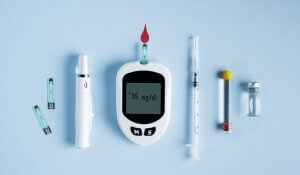
Frequently asked questions about technology in diabetes management
How do continuous glucose monitors improve diabetes management?
Continuous glucose monitors provide regular readings throughout the day and night, rather than isolated checks. This steady flow of information helps healthcare providers spot patterns such as overnight lows or after‑meal spikes. With clearer data, treatment plans can be adjusted more accurately. Many people also feel more confident when they can see trends in real time. These devices support, but do not replace, professional medical guidance.
Can telemedicine fully replace in‑person diabetes appointments?
Telemedicine is helpful for reviewing glucose data, discussing progress, and adjusting plans when physical exams are not required. It saves travel time and can make care more consistent. However, some parts of diabetes care still need face‑to‑face visits. Physical exams, lab work, and evaluation of new symptoms are examples where in‑person assessment is important. Most care plans work best when virtual visits and clinic appointments are used together.