 Chronic kidney disease is managed through a combination of blood pressure control, blood sugar regulation, and newer targeted therapies like Kerendia (finerenone) and SGLT2 inhibitors. These treatments work together to slow the progression of kidney damage and reduce the risk of cardiovascular complications in long-term patients.
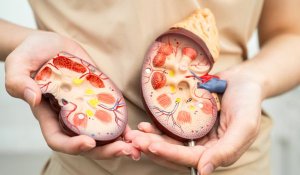
Managing chronic kidney disease (CKD) can feel like a complex puzzle, especially when you are looking for ways to slow its progression. I have spoken with many people who feel a sense of quiet anxiety about their lab results each month. While there isn’t a medical reversal for CKD, there are effective treatments that help manage symptoms and prevent the disease from worsening. You can take proactive steps to protect your health by understanding how different medications interact with your kidneys.
How does chronic kidney disease relate to other health conditions?
Chronic kidney disease often arises from other health issues like diabetes, hypertension, and high cholesterol. What is interesting, and sometimes frustrating, is that CKD can also make these conditions worse. While few medications directly stop or reverse kidney damage, many treatments for these underlying conditions also offer significant benefits for your kidneys. Your healthcare provider will always guide your treatment choices, considering your kidney function and potassium levels. Evidence indicates that managing these comorbidities is the most efficient way to preserve long-term kidney health (NIH, 2023).
The relationship between the kidneys and the rest of the body is bidirectional. For instance, when the kidneys fail to filter blood efficiently, the body may retain excess sodium and water, which increases blood volume and puts immense strain on the heart. This interconnectedness means that a treatment plan for CKD is rarely focused on the kidneys alone; it is a comprehensive strategy to protect the entire cardiovascular and metabolic system.
Hypertension
Our kidneys play a big role in keeping our blood pressure in check. When blood pressure is consistently high, it can damage the tiny filtering units in our kidneys, called glomeruli. This damage makes the kidneys less effective at filtering waste and removing extra fluid. This cycle can push blood pressure even higher. Medications like angiotensin receptor blockers (ARBs), such as Diovan, Edarbi, and Cozaar, help control blood pressure. They work with the body’s natural renin-angiotensin-aldosterone system (RAAS) to relax blood vessels.
By inhibiting the action of angiotensin II, these medications prevent the blood vessels from narrowing. This reduction in systemic vascular resistance means the heart doesn’t have to pump as hard, and the delicate vasculature within the kidney is spared from high-pressure “shearing” forces. Lowering the pressure inside the glomerulus is one of the most effective ways to reduce proteinuria (protein in the urine), which is a primary clinical marker of kidney stress.
Diabetes
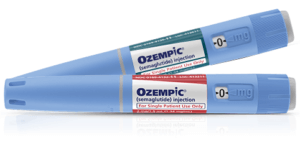
Type 2 diabetes can lead to high blood sugar levels, which harm the delicate nephrons within the kidneys. Many people with diabetes also develop hypertension. Medications for diabetes, such as GLP-1 receptor agonists like Ozempic and Mounjaro, or SGLT2 inhibitors like Farxiga and Jardiance, show additional benefits for patients with early kidney disease. These treatments can improve outcomes for those also managing heart and blood vessel conditions.
In diabetic kidney disease (diabetic nephropathy), high glucose levels lead to the production of reactive oxygen species and inflammatory cytokines. These substances cause the kidney tissues to thicken and eventually scar (fibrosis). Newer medications help mitigate this by improving glycemic control while simultaneously offering “organ-protective” effects that go beyond just lowering A1c levels. For example, GLP-1 agonists have been shown to reduce inflammation markers that contribute to renal decline.
Cholesterol
High cholesterol can directly contribute to kidney damage. When cholesterol plaques build up, they can narrow the renal arteries and reduce blood flow. This can also increase the risk of cardiovascular events, which are common among people with CKD. Statins, such as Lipitor, help lower LDL cholesterol levels and can slow down the formation of these plaques. Research suggests that keeping cholesterol in check protects the vascular system that feeds the kidneys (American Heart Association, 2024).
Furthermore, lipid management is vital because CKD patients are at a disproportionately high risk for atherosclerotic cardiovascular disease. When the renal arteries become narrowed by plaque (renal artery stenosis), the kidneys receive less oxygenated blood, which can trigger the release of hormones that further elevate blood pressure. Statins help stabilize existing plaques, preventing them from rupturing and causing sudden blockages that could lead to acute-on-chronic kidney injury.
What makes Kerendia a different approach to kidney protection?
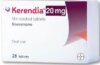
Kerendia (finerenone) is a non-steroidal mineralocorticoid receptor antagonist (MRA) approved by the FDA for chronic kidney disease in adults with type 2 diabetes. Its mechanism of action is distinct because it targets the overactivation of a specific hormone receptor. This receptor contributes to inflammation and scarring in the kidneys and heart. Unlike older steroidal MRAs, Kerendia is designed to be highly selective. This means it primarily blocks the receptor with a lower risk of certain side effects like high potassium levels.
The mineralocorticoid receptor (MR) is often overactivated in patients with CKD and diabetes, even when they are already taking ACE inhibitors or ARBs. This “aldosterone escape” can lead to progressive tissue damage. Kerendia works by binding to these receptors more potently and specifically than older drugs like spironolactone. By doing so, it halts the biological pathways that lead to permanent scarring of the kidney’s structural framework.
- Slows CKD progression: Kerendia helps preserve kidney function over the long term by reducing the rate of eGFR (estimated glomerular filtration rate) decline.
- Reduces cardiovascular risk: It lowers the risk of heart attack, stroke, or heart failure, which are the leading causes of mortality in CKD patients.
- Improved safety profile: Its selective action aims for effective treatment with fewer side effects compared to older MRAs, though monitoring for hyperkalemia remains necessary.
- Targeted Anti-fibrotic Action: Unlike diuretics, which primarily manage fluid, Kerendia focuses on the cellular level to prevent the transformation of healthy tissue into non-functional scar tissue.
How to access chronic kidney disease treatments through IsraelPharm
Managing the long-term progression of chronic kidney disease requires consistent access to FDA-grade, brand-name medications. At IsraelPharm, we simplify your renal care by providing a secure online ordering platform for essential treatments like Kerendia and Jardiance. As a licensed pharmacy, we ensure you receive high-quality medications with the added benefit of significant price savings compared to US retail costs.
Experience the convenience of free home delivery and a seamless prescription transfer process designed to prevent any interruptions in your treatment plan. Our professional pharmacists are dedicated to supporting your journey in managing chronic kidney disease with reliability and transparency. Order today.
Why are SGLT2 inhibitors used for kidney health?
SGLT2 inhibitors like Jardiance and Farxiga were originally developed for diabetes but have become a mainstay in kidney care. These drugs work by prompting the kidneys to remove excess sugar through urine. Studies suggest this process reduces the internal pressure within the kidney’s filters. This mechanical relief helps prevent the scarring that leads to kidney failure. Many patients find that these medications provide a dual benefit by managing both their blood sugar and their long-term renal risk (Mayo Clinic, 2023).
The physiological mechanism involves the “tubuloglomerular feedback” system. By increasing the delivery of sodium to a specific part of the kidney called the macula densa, SGLT2 inhibitors cause the afferent arteriole (the blood vessel entering the filter) to constrict. This reduces “hyperfiltration,” a state where the kidney is working too hard and damaging itself. This shift in hemodynamics is one of the most significant breakthroughs in nephrology in the last two decades, as it provides protection regardless of whether the patient has diabetes.
In addition to pressure management, SGLT2 inhibitors have been shown to reduce the oxygen demand of the kidney cells. When the kidneys are stressed, they often struggle with oxygen deprivation; by reducing the workload of glucose reabsorption, these medications allow the kidney tissue to function more efficiently with less metabolic strain.
Comparing treatments for chronic kidney disease
When managing CKD, treatment often involves addressing the underlying causes and protecting kidney function. Here is a look at different classes of medications that play a role:
| Treatment Class | Examples (Brand/Generic) | Primary Action | Relevance to CKD |
|---|---|---|---|
| MRAs | Kerendia (finerenone) | Blocks inflammation receptors. | Slows progression in type 2 diabetes. |
| SGLT2 Inhibitors | Farxiga, Jardiance | Increases glucose excretion. | Reduces pressure on kidney filters. |
| GLP-1 Agonists | Ozempic, Mounjaro | Improves blood sugar control. | Indirectly supports kidney health. |
| ARBs | Diovan, Cozaar, Edarbi | Relaxes blood vessels. | Key for managing hypertension. |
| Statins | Lipitor (atorvastatin) | Lowers LDL cholesterol. | Reduces cardiovascular risk. |
Important safety information
Chronic kidney disease medications, including MRAs and ARBs, carry risks such as electrolyte imbalances or changes in blood pressure. Most of these treatments require regular blood work to monitor your potassium levels and kidney function. You should always take these medications exactly as your doctor prescribes to avoid complications. Report side effects to your healthcare provider or to the FDA at 1-800-FDA-1088. Detailed side effects for each drug class are listed in the sections below.
Hyperkalemia (high potassium) is a particular concern for patients taking Kerendia or ARBs. Because the kidneys are responsible for excreting excess potassium, and these medications can further limit that excretion, patients must be diligent about their lab schedules. Symptoms of high potassium can be subtle, such as muscle weakness or palpitations, but the condition can be life-threatening if left unmanaged. Your doctor may recommend a low-potassium diet or adjust your dosage based on your monthly blood panels.
Additionally, SGLT2 inhibitors can sometimes lead to an increased risk of urinary tract infections or yeast infections because they increase the amount of sugar in the urine. Staying hydrated is essential when taking these medications, as they have a mild diuretic effect. If you experience sudden dizziness or a sharp drop in blood pressure, it is important to contact your medical team immediately to ensure your hydration levels and dosages are balanced correctly.
Frequently Asked Questions
Can I reverse chronic kidney disease with medication?
Structural damage to these vital organs is permanent, meaning medical science currently lacks a way to fully restore lost function. However, modern treatments like SGLT2 inhibitors and ACE inhibitors are remarkably effective at stabilizing your remaining health and preventing further deterioration. By consistently following a prescribed regimen and managing underlying conditions like high blood pressure, you can successfully delay the progression toward failure and maintain a high quality of life for many years to come.
How does Kerendia differ from other blood pressure drugs?
This specific medication focuses on blocking mineralocorticoid receptor overactivation, which directly addresses the underlying inflammation and scarring that often leads to organ failure. While traditional antihypertensives primarily work by relaxing blood vessels or removing excess fluid to lower systemic pressure, this drug provides a targeted layer of protection for the heart and kidneys. It serves as a specialized therapeutic tool designed to prevent long-term tissue damage rather than functioning as a standard first-line treatment for hypertension.
Is it safe to take Ozempic with kidney disease?
Clinical evidence suggests that GLP-1 receptor agonists are generally appropriate and beneficial for patients navigating various stages of renal impairment. These injections work by regulating blood sugar levels and promoting weight loss, which significantly lessens the metabolic burden and inflammatory stress placed upon your delicate filtering systems. Your healthcare provider will carefully evaluate your estimated glomerular filtration rate to determine the safest dosage and will monitor your labs regularly to ensure the medication remains effective.
Should I avoid certain foods while taking CKD medications?
Managing your nutritional intake is essential because certain drugs can cause your body to retain dangerous levels of minerals like potassium or phosphorus. You must be particularly cautious with salt substitutes and high-potassium fruits if you are prescribed medications such as Kerendia or Losartan, as these can impact your heart rhythm. Working closely with a specialized renal dietitian will help you develop a personalized meal plan that complements your specific prescriptions while supporting your overall kidney health.
Why are SGLT2 inhibitors prescribed for non-diabetic kidney patients?
Research demonstrates that these medications provide significant protective benefits by reducing the internal pressure and workload within the kidney’s filtering units regardless of a person’s blood sugar status. By changing how the organ handles sodium and fluids, the drugs effectively slow the scarring process and decrease the likelihood of requiring dialysis in the future. This broad therapeutic utility has transformed these once-exclusive diabetes treatments into a foundational therapy for many different types of chronic kidney disease patients.
When should I contact my doctor about my kidney medication?
Immediate medical consultation is necessary if you notice concerning symptoms like an irregular heartbeat, profound muscle weakness, or sudden swelling in your lower extremities. These physical changes can indicate that your electrolyte levels are imbalanced or that your renal function has shifted unexpectedly since your last laboratory screening. Maintaining an open line of communication with your care team ensures that any side effects are addressed quickly and that your treatment plan is adjusted for safety.
How do ARBs protect the kidneys from high blood pressure?
These medications function by blocking a specific hormone that normally causes blood vessels to constrict, thereby allowing the vessels within the kidneys to remain relaxed and open. This physiological change reduces the high-pressure environment that typically damages the delicate filters, preventing the leakage of protein into the urine and the formation of scar tissue. Consequently, the kidneys can perform their essential filtering duties much more efficiently without being subjected to the mechanical stress that leads to long-term organ decline.
Further reading
- Chronic kidney disease: Symptoms, causes, and treatment — NIDDK
- Understanding your lab values — National Kidney Foundation
- FDA approval for Kerendia (finerenone) — U.S. FDA
If you are exploring new options for treating chronic kidney disease, IsraelPharm provides affordable access to essential medications like Kerendia and Jardiance. Consult with our pharmacists today to ensure your treatment plan is supported by a reliable supply of brand-name renal care medications.
Glossary
angiotensin receptor blockers (ARBs): A class of medications that relax blood vessels by blocking the action of a hormone called angiotensin II, lowering blood pressure.
eGFR: Estimated glomerular filtration rate, a measure of how well the kidneys are filtering blood, used to assess kidney function.
glomeruli: Tiny filtering units within the kidneys that remove waste products and excess fluid from the blood.
GLP-1 receptor agonists: A class of medications that help manage blood sugar levels and can offer additional benefits for kidney and heart health.
Kerendia: A brand-name medication (finerenone) used to treat chronic kidney disease in adults with type 2 diabetes by targeting specific hormone receptors.
mineralocorticoid receptor antagonist (MRA): A type of medication that blocks specific hormone receptors involved in inflammation and scarring in the kidneys and heart.
nephrons: The microscopic structural and functional units of the kidney that filter blood and produce urine.
proteinuria: The presence of an abnormal amount of protein in the urine, indicating kidney damage.
renin-angiotensin-aldosterone system (RAAS): A hormone system that regulates blood pressure and fluid balance in the body.
SGLT2 inhibitors: A class of medications that help the kidneys remove excess sugar from the body through urine, also benefiting kidney and heart health.
This guide is for informational purposes. Always follow your doctor’s instructions. Contact IsraelPharm at support@israelpharm.com or 1-866-456-3768.