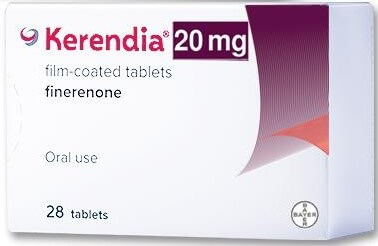
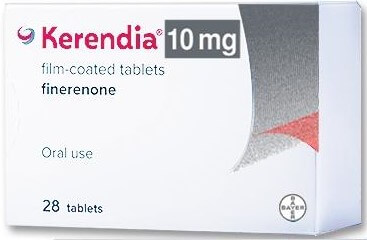
What is Kerendia?
Kerendia is a prescription medication used to treat adults who have chronic kidney disease associated with type 2 diabetes. It works to slow the decline of kidney function and reduce serious health risks. These risks include end-stage kidney disease, heart attacks, and hospitalization for heart failure. Kerendia is not a cure for kidney disease. However, it is an important part of a complete treatment plan. This plan should also include diet, exercise, and other medications to manage diabetes.
For more information, view our blog
New Options for Treating Chronic Kidney Disease
How does Kerendia work?
Kerendia works by selectively blocking overactivated mineralocorticoid receptors (MRs) in the body. In people with type 2 diabetes and kidney disease, these receptors can become overactive. This overactivity leads to inflammation and fibrosis (scarring) in the kidneys and heart. By blocking these receptors, Kerendia helps reduce this harmful inflammation and scarring. This action slows the progression of kidney damage. It also protects the cardiovascular system from related complications. It is a nonsteroidal MRA, offering a targeted approach to treatment.
Who is Kerendia for?
Kerendia is for adults diagnosed with both type 2 diabetes and chronic kidney disease. Doctors typically prescribe it for patients with moderate to severe kidney damage. This often corresponds to stage 3 or 4 kidney disease. An eGFR blood test helps determine the stage. Patients in this category are at high risk for their kidney disease worsening. They also face a greater chance of cardiovascular events. Kerendia is used to manage these risks as part of a comprehensive care strategy.
Usual dosage of Kerendia and administration
Kerendia dosage is determined by a doctor based on specific health factors. The main factors are your kidney function (eGFR) and your blood potassium level. Your doctor will order blood tests before you start treatment. They will also monitor these levels during your treatment. The tablets are typically taken once daily. You can take Kerendia with or without food. It is important to swallow the tablet whole with a glass of water. Do not stop taking Kerendia or change your dose without consulting your healthcare provider.
Reported side effects of Kerendia
Kerendia can cause side effects, though not everyone experiences them. The most common side effects are high potassium levels (hyperkalemia), low blood pressure (hypotension), and low sodium levels (hyponatremia). Your doctor will monitor for these with blood tests. Less common effects may include itching or a mild skin rash. Severe allergic reactions are rare but possible. Seek immediate medical attention if you experience swelling of the face, lips, or throat, or have trouble breathing after taking Kerendia.
Why buy Kerendia from IsraelPharm?
IsraelPharm offers a reliable and convenient way to purchase Kerendia online. We are committed to providing authentic, brand-name medications sourced from trusted manufacturers. Our platform simplifies the process of ordering your prescriptions from home. We provide competitive pricing and discreet, direct-to-door shipping. Our customer service team is available to assist with your order. We ensure that you receive your medication safely and efficiently, helping you manage your health with confidence and ease.
Kerendia may cause side effects. Consult your doctor for medical advice about side effects.
Common Side Effects:
- Hyperkalemia: High levels of potassium in the blood.
- Hypotension: Low blood pressure.
- Hyponatremia: Low levels of sodium in the blood.
Less Common Side Effects:
- Itching or skin rash
- Mild allergic reactions
Seek immediate medical help for symptoms of a severe allergic reaction. These include swelling of the face, lips, or throat, or difficulty breathing.
Kerendia is indicated for adults to reduce specific risks associated with chronic kidney disease (CKD) and type 2 diabetes.
- Slowing the progression of kidney disease
- Reducing the risk of end-stage kidney disease (ESKD)
- Lowering the risk of cardiovascular death
- Reducing the risk of heart attack (myocardial infarction)
- Lowering the risk of hospitalization for heart failure