 For years, I used to write a few days off my calendar each month. It wasn’t for a vacation, but for the predictable, debilitating headache I knew was coming. If you also find your life interrupted by a migraine that seems to follow your menstrual cycle, you’re not just imagining the connection. These episodes are often a specific condition, and understanding the role of hormones is the first step toward managing these hormone-related headaches and reclaiming those days.
What causes hormone-related headaches?
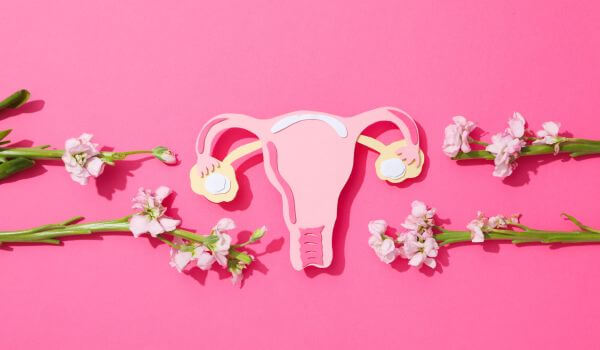
The key players in these types of headaches are the hormones estrogen and progesterone. They regulate the menstrual cycle, but they also influence headache-related chemicals in the brain. The main trigger for a menstrual migraine is not the level of estrogen itself, but the sharp drop in estrogen that occurs right before your period begins. This is often called an “estrogen withdrawal” headache.
- Estrogen’s role: During your cycle, estrogen levels rise and fall. The steep decline just before menstruation can make your brain more sensitive to pain triggers.
- Prostaglandins: Around the same time, the lining of the uterus releases substances called prostaglandins. While they are responsible for cramps, they can also contribute to headache pain and intensity.
Symptoms that set menstrual migraines apart
While they share features with other migraines, hormone-related headaches often have their own painful signature. Many people find them to be more severe and less responsive to typical pain relievers. You and your doctor should always discuss your specific symptoms and treatment plan.
- Pain is often a severe throbbing or pulsing, typically on one side of the head.
- A heightened sensitivity to light, sounds, or smells is very common.
- Nausea and vomiting can accompany the headache, making it difficult to keep medication down.
Finding the right treatment approach
Figuring out a plan to manage hormone-related headaches is a partnership between you and your healthcare provider. The goal is to find a solution that fits your cycle, your symptoms, and your life. Treatment generally falls into two categories: acute, for stopping a headache in its tracks, and preventive, for stopping it before it even starts. Your treatment plan is a medical decision that should always be made with your physician’s guidance.
Acute treatments for when a migraine strikes
When you feel a migraine beginning, the goal is immediate relief. Several types of medication are effective. Over-the-counter options like Naprosyn (naproxen), a nonsteroidal anti-inflammatory drug (NSAID), can be effective if taken early. For more severe pain, doctors often prescribe triptans, such as Imitrex (sumatriptan) or Maxalt (rizatriptan). These drugs work by blocking pain signals in the brain and can provide relief within a couple of hours. In cases of severe nausea, anti-nausea medications like Phenergan (promethazine) may also be prescribed. All treatment decisions should be made in consultation with your doctor.
Preventive strategies for regular cycles
 If your menstrual cycle is predictable, your doctor may suggest a “mini-prevention” strategy. This involves taking medication for a few days before and during your period to prevent the headache from starting. Another approach is to stabilize your hormone levels. Hormone replacement therapy (HRT) options like Estrogel Topical Gel (estradiol) or combination products like Duavee (conjugated estrogens/bazedoxifene) can help by delivering a steady supply of estrogen, preventing the sharp drop that triggers migraines. This approach can be life-changing, but it requires a consistent and reliable supply of medication. Sourcing long-term treatments through a licensed international pharmacy like IsraelPharm can be a helpful way to ensure you have what you need each month. As always, your doctor will help you determine if this is the right path for you.
Comparing treatments for hormone-related headaches
| Treatment | How it works | Pros | Cons | Typical use |
|---|---|---|---|---|
| Hormonal (Estrogel, Duavee) | Stabilizes estrogen levels to prevent the pre-period drop that triggers migraines. | Prevents headaches before they start; can be very effective for predictable cycles. | Requires consistent use; may have hormonal side effects. Not suitable for everyone. | Used preventively, often applied as a gel or taken as a pill leading up to and during the menstrual period. |
| Triptans (Imitrex, Maxalt) | Block pain pathways in the brain to stop a migraine after it has started. | Fast-acting and effective for moderate to severe pain; can also relieve nausea. | Can cause side effects like dizziness or fatigue. Not preventive. | Taken at the first sign of a migraine to stop the attack and relieve symptoms. |
| NSAIDs (Naprosyn) | Reduce inflammation and pain by blocking prostaglandin production. | Readily available; can be effective for mild to moderate pain. | Can cause stomach upset; may not be strong enough for severe migraines. | Can be used for acute relief or as a “mini-prevention” taken for a few days around the period. |
| Anti-nausea (Phenergan) | Helps control the nausea and vomiting that often accompany severe migraines. | Improves comfort and can help patients keep other medications down. | Can cause drowsiness; does not treat the head pain itself. | Taken alongside other migraine treatments to manage secondary symptoms. |
How to access menstrual migraines treatment through IsraelPharm
Once you and your doctor have decided on a treatment plan for your menstrual migraines, securing a reliable and affordable supply of your medication is the next step. For branded medications like Estrogel, Imitrex, or Duavee, IsraelPharm provides a trustworthy option for access.
As a licensed international pharmacy, IsraelPharm is able to stock branded medications that may be difficult to source consistently through other channels. This ensures you receive the exact product your doctor prescribed. This access and continuity are crucial for long-term preventive strategies that depend on an uninterrupted supply.
The process is straightforward and respects the importance of your doctor’s role in your care. A valid prescription from a licensed physician is required for all prescription medications, ensuring your treatment remains under appropriate medical supervision. IsraelPharm is a licensed international pharmacy, and all prescriptions are dispensed by a licensed pharmacist, providing a legitimate and reliable source for your medication needs.
Further reading
- Hormones and headaches: What’s the connection?: Mayo Clinic
- Menstrual Migraine: American Migraine Foundation
- Migraine overview: MedlinePlus
- June is Migraine and Headache Awareness Month: IsraelPharm blog
- Using Imitrex to Reduce Pain in Migraines: IsraelPharm blog
Frequently asked questions
How does Estrogel help prevent menstrual migraines?
Estrogel helps prevent menstrual migraines by providing a steady, supplemental dose of estradiol, a form of estrogen. It’s applied to the skin, where it’s absorbed into the bloodstream. This helps to offset the natural, sharp drop in your body’s estrogen levels that occurs just before your period. By stabilizing estrogen levels, Estrogel can prevent the “estrogen withdrawal” trigger that initiates many hormone-related headaches, stopping the migraine before it starts.
When should I take an acute medication like Imitrex for a hormone-related headache?
You should take an acute medication like Imitrex at the very first sign that a hormone-related headache is starting. Triptans like Imitrex are most effective when taken early in the attack, before the pain becomes severe and inflammation pathways are fully activated. Waiting until the headache is intense can make it harder for the medication to work. Your doctor will provide specific instructions on dosage and timing based on your symptoms.
What are the common side effects of triptans?
Common side effects of triptans, such as Imitrex or Maxalt, are generally temporary and mild. They can include feelings of tingling, warmth, flushing, or tightness in the chest or neck. Some people may also experience dizziness, fatigue, or muscle weakness. It is important to discuss your medical history with your doctor before starting a triptan, as they are not suitable for people with certain cardiovascular conditions. Always report any concerning side effects to your healthcare provider.
Can I use hormone replacement therapy for menstrual migraines if I’m not in menopause?
Yes, in some cases, doctors may prescribe low-dose hormone therapy specifically to manage menstrual migraines in premenopausal women. This is different from the higher-dose hormone replacement therapy (HRT) used to manage menopausal symptoms. The goal is to stabilize the estrogen fluctuations during the menstrual cycle. Using a product like an estrogen gel or patch for a few days around your period can prevent the trigger drop. This is a specific medical strategy that requires a doctor’s evaluation and prescription.
How do I know if my headaches are hormone-related?
The most important clue for identifying hormone-related headaches is timing. If you consistently experience headaches or migraines in the two days leading up to your period or within the first three days after it starts, hormones are likely a key factor. Keeping a headache diary for two to three months can reveal this pattern clearly. Track your cycle days, headache occurrences, pain levels, and any other symptoms to share with your doctor for a clear diagnosis.
How can I get my menstrual migraine medication through IsraelPharm?
To get your prescribed menstrual migraine medication, like Estrogel or Imitrex, you need a valid prescription from your doctor. You can then visit the IsraelPharm website, where you can search for your medication. The ordering process involves creating an account, uploading a copy of your prescription, and providing your shipping details. Since IsraelPharm is a licensed pharmacy, they will verify your prescription before a pharmacist dispenses your medication and ships it to you.
Glossary
Estrogen: A primary female sex hormone that plays a key role in regulating the menstrual cycle and can influence brain chemistry.
Hormone Replacement Therapy (HRT): A medical treatment that involves taking hormones to prevent or treat conditions caused by hormone fluctuations or deficiencies.
Nonsteroidal Anti-inflammatory Drug (NSAID): A class of pain-relieving medication that reduces inflammation, pain, and fever, such as naproxen or ibuprofen.
Perimenopause: The transitional period before menopause when hormone levels begin to fluctuate, often leading to changes in menstrual cycles.
Progesterone: A female hormone that works with estrogen to regulate the menstrual cycle and support pregnancy.
Prostaglandins: Hormone-like substances that are involved in pain and inflammation, released by the uterine lining during menstruation.
Triptans: A class of prescription drugs specifically designed to treat acute migraines by narrowing blood vessels and blocking pain pathways.