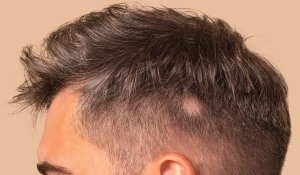
 Experiencing hair loss can be an unsettling event, and it is important to understand the symptoms and causes before undertaking treatment. It’s common, especially in men, to consider hair thinning as pattern baldness associated with aging, the clinical term for which is androgenetic alopecia. However, it is essential to distinguish between conditions like common hair thinning and alopecia areata. Recognizing the distinguishing signs of each condition is crucial, as their origins and treatment paths are distinctly different. A correct choice between treatments for severe alopecia ensures you receive the most appropriate and effective care for your specific type of hair loss.
When facing hair loss, especially conditions like alopecia areata or male-pattern baldness, finding effective treatments for severe alopecia can feel like a journey. Over the years, new treatments have emerged that offer hope, not just in slowing down hair loss but in many cases, promoting regrowth. It’s a field that’s constantly evolving, bringing more options to those navigating this challenging experience.
The evolution of alopecia areata treatment
Alopecia areata (AA) is an autoimmune condition where the immune system mistakenly attacks hair follicles, leading to hair loss. This can range from small patches to complete hair loss on the scalp (alopecia totalis) or even the entire body (alopecia universalis). It’s a condition that often comes with alternating periods of hair loss and remission, and for many, it can be a lifelong journey.
For a long time, treatment options for AA were limited and often involved off-label uses of medications like corticosteroids or immunotherapies. While these could offer some benefits, they often had limited efficacy and high recurrence rates, especially for those with severe forms of the condition. The good news is that recent advancements have brought more targeted and effective treatments to the forefront.
One of the most exciting developments has been the introduction of Janus kinase (JAK) inhibitors, often referred to as JAKi. These medications work by targeting specific pathways in the immune system that contribute to the autoimmune attack on hair follicles. By inhibiting these pathways, JAK inhibitors can help to reduce inflammation and allow hair follicles to resume their normal growth cycle.
Let’s take a closer look at some of the key treatments available today, including the newer JAK inhibitors and other options for hair loss.
Comparing treatments for hair loss
Understanding the different treatments available can help you and your doctor make informed decisions. Here’s a comparison of common approaches:
| Treatment Type | Examples | How it Works | Key Benefits | Considerations |
|---|---|---|---|---|
| JAK Inhibitors (Oral) | Litfulo (ritlecitinib), Olumiant (baricitinib), Jakafi (ruxolitinib), Xeljanz (tofacitinib), Rinvoq (upadacitinib) | Block specific immune system pathways (Janus kinase) that attack hair follicles, reducing inflammation and promoting hair growth. | Highly effective for severe alopecia areata, including alopecia totalis and alopecia universalis. Some are FDA-approved for adults and adolescents. | Potential side effects include infections, blood clots, and changes in blood counts. Requires regular monitoring by a healthcare professional. |
| Topical Immunotherapies | Diphenylcyclopropenone (DPCP), Dinitrochlorobenzene (DNCB) | Induce an allergic reaction on the scalp to distract the immune system from attacking hair follicles. | Can be effective for patchy alopecia areata. | Requires frequent application, can cause skin irritation, and is often an off-label treatment. |
| Corticosteroids (Injections/Oral) | Intralesional corticosteroid injections (e.g., triamcinolone), oral prednisone (Prelone) | Reduce inflammation and suppress the immune system. | Injections can be effective for small, patchy hair loss. Oral steroids may be used for widespread, rapid hair loss. | Injections can be painful and cause skin thinning. Oral steroids have systemic side effects with long-term use (e.g., weight gain, mood changes). |
| Topical Minoxidil | Rogaine (minoxidil) | Promotes hair growth by widening blood vessels and increasing blood flow to hair follicles. | Over-the-counter option for male-pattern baldness and some forms of alopecia areata. Generally well-tolerated. | Requires continuous use to maintain results. May cause scalp irritation. Less effective for extensive hair loss. |
| Oral Finasteride | Propecia (finasteride) | Blocks the conversion of testosterone to dihydrotestosterone (DHT), a hormone linked to male-pattern baldness. | Effective for male-pattern baldness, slowing progression and promoting regrowth. | Only for men. Potential side effects include sexual dysfunction. Requires continuous use. |
| Dietary Supplements | Phyllotex (vitamins, minerals like zinc and iron) | Provides essential nutrients that support healthy hair growth. | Can complement other treatments and address nutritional deficiencies that might contribute to hair loss. | Not a standalone treatment for severe alopecia. Efficacy varies depending on individual needs and deficiencies. |
It’s important to remember that the best treatment approach depends on the type and severity of your hair loss, as well as your overall health. Always consult with a healthcare professional to discuss which option is right for you. While some treatments like Phyllotex offer supportive nutrition, for conditions like severe alopecia areata, targeted medications are often necessary.
Why patients source JAK inhibitors through IsraelPharm
When managing a chronic condition like alopecia areata, securing a consistent and affordable supply of your medication is crucial. IsraelPharm understands this need, especially for newer treatments like Litfulo. We offer a reliable pathway to access your prescribed medications, usually at prices significantly below typical US retail costs, ensuring that financial barriers don’t stand in the way of your health.
Our commitment to your well-being extends beyond just pricing. We are licensed by the Israeli Ministry of Health and have been operating since 2007, building a reputation for trust and reliability, reflected in our public Trustpilot rating. We ship internationally, including to the US, UK, EU, and AU, providing a vital resource for patients seeking consistent supply, even during shortages in other regions.
At IsraelPharm, we streamline the process. You upload your valid prescription, and our team handles the rest, from sourcing your medication from licensed Israeli wholesalers to dispensing and shipping it directly to you with tracked international delivery. Our licensed pharmacists are available by phone and email to answer your questions, providing personalized support throughout your treatment journey.
IsraelPharm dispenses only against a valid prescription issued by a licensed prescriber. We do not provide medical advice; consult your prescriber for clinical decisions.
Further reading
- Information on alopecia areata and available treatments: National Institute of Arthritis and Musculoskeletal and Skin Diseases (NIAMS).
- FDA approval of Litfulo for severe alopecia areata: U.S. Food and Drug Administration (FDA).
- Understanding how JAK inhibitors work in autoimmune diseases: PubMed.
- Clinical trials and efficacy of baricitinib (Olumiant) for alopecia areata: New England Journal of Medicine.
- Treating alopecia areata and male-pattern hair loss: IsraelPharm blog.
- Phyllotex® for male pattern baldness: IsraelPharm blog.
Frequently Asked Questions
How long does it take for JAKis to show results?
Clinical trial data suggests that significant hair regrowth typically becomes visible after twenty-four to forty-eight weeks of consistent daily administration. Because human hair grows in very slow natural cycles, you must remain remarkably patient and steady with your prescribed dosing even if changes are not immediately apparent. Your healthcare provider will likely schedule a formal follow-up appointment at the six-month mark to thoroughly evaluate your progress and determine if the current treatment plan remains effective.
Can I stop taking alopecia medication once my hair grows back?
Discontinuing treatment often leads to a rapid recurrence of hair loss because the underlying autoimmune response has not been permanently cured. Most prescription treatments for severe alopecia are intended for long-term maintenance to prevent the immune system from attacking the follicles once again. You should only adjust your specific dosage or stop the medication entirely under the direct supervision and guidance of your dermatologist to ensure your scalp health remains stable over time.
Does insurance usually cover new JAK inhibitors for hair loss?
Coverage for modern treatments varies significantly between providers, as many insurance companies still incorrectly classify alopecia areata therapies as purely elective or cosmetic procedures. This lack of comprehensive coverage frequently results in high out-of-pocket expenses for patients living within the United States. Consequently, many individuals choose to source their branded medications from reputable, licensed international pharmacies to find significantly more affordable pricing and consistent access to these necessary daily medications.
Are there specific side effects I should watch for with Litfulo?
Commonly reported adverse reactions include persistent headaches, acne breakouts, skin rashes, and a slightly increased risk of developing various upper respiratory tract infections. Because this medication modulates the immune system’s activity, you must carefully monitor your body for signs of fever, unusual bruising, or persistent fatigue. It is essential to report any new or worsening symptoms to your primary healthcare provider immediately for a professional evaluation to ensure your ongoing safety during treatment.
Can teenagers use treatments for severe alopecia?
The FDA recently authorized Litfulo as the first and only JAK inhibitor specifically approved for patients as young as twelve years of age. This regulatory milestone provides a vital medical option for adolescents who are struggling with the significant emotional and social impacts of severe autoimmune hair loss. A qualified pediatric dermatologist must carefully oversee the entire treatment process to ensure the medication dosage is appropriate for the child’s specific age, weight, and overall health profile.
Should I avoid certain vaccines while taking JAK inhibitors?
Live attenuated vaccines must be avoided during your treatment course because the medication suppresses the immune system’s ability to respond safely to these specific types of pathogens. It is highly recommended to complete any required or upcoming vaccinations at least several weeks before starting your new therapy for severe alopecia. You should also consult your doctor regarding the appropriate timing of annual flu shots or other non-live vaccines to maintain your health while on this medication.
How does Litfulo differ from older hair loss treatments?
Targeting Janus kinase 3 and the TEC family of kinases allows this medication to address the specific inflammatory pathways that drive autoimmune hair loss. Older options like minoxidil primarily focus on increasing local blood flow, while traditional steroids provide a very broad and non-specific suppression of the entire immune system. This modern, targeted approach generally results in much better clinical outcomes for patients suffering from extensive hair loss compared to those older, less precise medicinal interventions.
Glossary
- Alopecia areata (AA): An autoimmune condition causing patchy hair loss.
- Alopecia totalis: Complete hair loss on the scalp.
- Alopecia universalis: Complete hair loss on the entire body.
- Androgenetic alopecia (AGA): Also known as male-pattern baldness, a common form of hair loss linked to genetics and hormones.
- Autoimmune disorder: A condition where the body’s immune system mistakenly attacks its own healthy tissues.
- Dihydrotestosterone (DHT): A hormone linked to hair loss in androgenetic alopecia.
- Hair follicles: Small organs in the skin that produce hair.
- Immunomodulatory: Agents that modify or regulate the immune system.
- Janus kinase (JAK): A family of enzymes involved in cell signaling, which can contribute to inflammation in autoimmune conditions.
- JAK inhibitors (JAKi): A class of drugs that block the activity of Janus kinase enzymes, used to treat various autoimmune and inflammatory conditions, including severe alopecia areata.
- Off-label treatment: Prescribing a medication for a condition or in a way not specifically approved by regulatory bodies, but where there is evidence of benefit.