 For so many women, their own health takes a back seat – not because they ignore it, but rather because life is loud. Work, family, caregiving, aging parents, hormones, sleep, stress. Life is like a three-ring circus, and women are the jugglers, mistress of ceremonies, clowns, and sometimes, the performing seals, all at the same time. Women’s Health Week comes around once each year in mid-May, and it’s a good reminder to stop treating preventative healthcare like a “someday” task. Take a breather from your duties to others, and pay a bit of attention to yourself
A practical checklist of women’s health topics worth paying attention to now.
Women’s preventive healthcare works best when it is treated as ordinary maintenance, not as something that only matters after symptoms appear. That is the simple idea behind Women’s Health week: pause long enough to check what might need attention before a small concern becomes a bigger one.
Good preventive care for women can include several practical areas:
- Health screenings that help detect conditions earlier.
- Vaccines that reduce the risk of preventable infections.
- Counseling about diet, movement, sleep, stress, sexual health, and substance use.
- Routine checks for blood pressure, cholesterol, blood sugar, and other risk markers.
None of this means every woman needs every test every year. Preventive care is more like a map than a checklist. The right route depends on age, personal health history, family risk, symptoms, medications, and the recommendations of a qualified healthcare provider.
Key points to remember when thinking about women’s preventative healthcare
Prevention is not about panic. It is about knowing what to watch for and having a plan. Many conditions are easier to manage when they are noticed early, including high blood pressure, diabetes, osteoporosis, cervical changes, and some cancers.
The main points are simple:
- Preventive care is personal, not one-size-fits-all.
- Age matters, but family history and personal risk can matter just as much.
- Small symptoms still deserve to be mentioned during a wellness visit.
- Screening schedules can change, so old assumptions may not be current.
- A healthcare provider can help match the right tests to the right person.
That last point matters. Articles can explain the landscape, but medical decisions belong in a proper conversation with a trusted healthcare provider.
The screenings women should ask their doctor about
Mammogram guidelines have changed in recent years. The U.S. Preventive Services Task Force recommends breast cancer screening every other year for women aged 40 to 74 who are at average risk. Women with higher risk, such as certain family histories or known genetic risk, may need a different plan.
Cervical cancer screening is another major part of preventive care. Screening can include a Pap test, an HPV test, or both, depending on age and risk. Current women’s preventive services guidance recommends cervical cancer screening from age 21 to 65 for average-risk women, with the exact test and interval based on age and available testing.
Other screening conversations commonly include:
- Colon cancer screening, which often begins at age 45 for average-risk adults.
- Blood pressure checks, because high blood pressure can be silent.
- Cholesterol testing, especially when heart or metabolic risk is present.
- Blood sugar testing, particularly when weight, pregnancy history, family history, or other risk factors apply.
- Bone density screening, especially after menopause or when fracture risk is higher.
These are not “extra” concerns. They are part of the basic framework that helps women stay ahead of preventable or manageable health problems.
What women are talking about now when it comes to preventative healthcare
The conversation around women’s health has widened. It is no longer only about pregnancy, periods, or annual exams. Women are talking more openly about heart disease, menopause, osteoporosis, burnout, sexual health, and the cost of staying well.
Heart health deserves particular attention because symptoms in women can be easy to miss. Chest pressure can happen, but some women also report fatigue, nausea, shortness of breath, back discomfort, jaw discomfort, or symptoms that are mistaken for stress or indigestion. Any concerning or sudden symptoms should be assessed urgently by a qualified healthcare professional.
Menopause health is another area where many women are asking better questions. Hot flashes often get the headline, but they are not the whole story. Perimenopause and menopause can also affect:
- Sleep.
- Mood.
- Bladder comfort.
- Sexual comfort.
- Skin and vaginal tissue.
- Muscle and joint comfort.
Bone health, especially osteoporosis, also belongs in the conversation long before a fracture happens. Estrogen changes after menopause can speed up bone loss, but bone health is shaped by years of nutrition, movement, vitamin D status, fall risk, smoking history, alcohol intake, medications, and family history.
Mental health and burnout are also part of prevention. A person can have normal lab results and still be worn down by poor sleep, chronic stress, caregiving pressure, grief, or depression. Preventive care should leave room for emotional health, not only numbers on a report.
Weight, blood sugar, and metabolic health are best discussed without shame. The goal is not a perfect body. The goal is lower risk, better energy, better function, and better long-term health.
When menopause deserves real consideration
 Menopause is not a disease, but some symptoms deserve real care. For example, vaginal dryness, irritation, and discomfort after menopause are common, and women may not always bring them up unless a provider asks. Depending on a woman’s medical history, a doctor may discuss local estrogen options with appropriate guidance and prescription requirements where applicable.
Menopause deserves more than a shrug when symptoms affect sleep, mood, comfort, intimacy, urinary symptoms, or day-to-day quality of life. A healthcare provider can review medical history, cancer history, clotting risk, heart risk, medications, and personal goals before discussing possible treatment choices.
Vaginal dryness after menopause is a common example. For some women, moisturizers and lubricants are enough. For others, a doctor may discuss prescription local estrogen options such as Vagifem, depending on symptoms and medical history. Vagifem is a topical estradiol cream used for vaginal symptoms of menopause, including dryness and irritation.
Some women also ask about drops in desire and energy, as well as hormonal changes, after menopause. When appropriate, a doctor may consider recommending products such as AndroFeme, a testosterone cream developed for women with hypoactive sexual desire disorder after menopause. This is not a general menopause treatment and should only be considered under proper medical supervision.
Non-prescription support may also come up. The Women’s Hormone Support Pack is a supplement pack designed to support women through hormonal fluctuations, including PMS, perimenopause, and menopause. Because supplements can interact with medicines and may not suit everybody, a doctor or pharmacist should review use before starting.
Bone health is not just an older woman issue
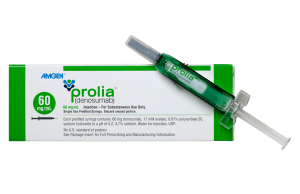
“Bone health often becomes more urgent after menopause, but the foundation starts earlier: strength training, enough calcium and vitamin D, fall prevention, and screening when appropriate. For women diagnosed with osteoporosis, providers may discuss prescription options, including treatments such as Prolia for eligible patients.
Bone is living tissue. It is constantly being broken down and rebuilt. After menopause, lower estrogen levels can speed up bone loss, which can raise the risk of osteoporosis and fractures. That is why bone health belongs in preventive care, not only in fracture care.
Helpful conversations may include:
- Whether bone density screening is appropriate.
- Whether calcium intake is adequate from food or supplements.
- Whether vitamin D levels need assessment.
- Whether strength training and balance work are safe and realistic.
- Whether fall risks at home need to be reduced.
- Whether any current medicines can weaken bone over time.
For women diagnosed with osteoporosis and considered at high risk for fracture, healthcare providers may discuss prescription treatments such as Prolia. Prolia is denosumab, a prescription injection used to treat osteoporosis and reduce fracture risk in eligible patients. It is administered by a healthcare professional every six months, and follow-up is important.
A practical Women’s Health Week checklist
A checklist can make preventive care feel less vague. It does not need to be completed in one week. It can simply help organize the next conversation with a healthcare provider.
- Schedule a yearly wellness visit if one is due.
- Ask which screenings are due this year.
- Check blood pressure.
- Review cholesterol and blood sugar testing needs.
- Review all prescription medicines, over-the-counter medicines, and supplements.
- Ask about menopause symptoms if relevant.
- Ask whether bone density screening makes sense.
- Update vaccines according to age, risk, and medical guidance.
- Keep a written list of symptoms, including the “small” ones.
- Discuss options for access if cost is affecting your choices. Medication cost can also be a part of the general conversation. When symptoms are ongoing, a treatment that is medically appropriate but unaffordable may not be considered as a viable solution. Safe access, continuity of supply, and treatment costs all matter.
This is not meant to turn health into homework. It is meant to reduce the chance that important issues get pushed aside because daily life is already full.
What to ask a doctor about preventative healthcare
A good wellness visit is not only about the exam. It is also a chance to ask direct questions and leave with a clearer plan. Some useful questions include:
- Which screenings am I due for, based on age and health history?
- Is blood work needed for cholesterol, blood sugar, thyroid function, iron, vitamin D, or other concerns?
- Is osteoporosis screening appropriate now or later?
- Are menopause symptoms within the expected range, or are treatment options worth discussing?
- Could any current medicines be affecting sleep, weight, mood, sexual comfort, or bone health?
- Are there safer or lower-cost ways to access prescribed medication consistently?
Those questions can open the door to better care without turning the visit into a lecture. They also help patients and clinicians focus on the issues most likely to affect future health.
How IsraelPharm can fit into the decision process of women’s preventative healthcare
For US patients who already have a prescription or are discussing one with a doctor, IsraelPharm can be a practical source for a wide range of branded and generic products. It is a licensed international pharmacy, and its service model can help patients compare options when local retail pricing is making access difficult to manage.
For women’s preventive health, this may be relevant when a doctor recommends ongoing medication for menopause symptoms, vaginal discomfort, osteoporosis, or related concerns. Products such as Vagifem, AndroFeme, and Prolia may fit into those deliberations when they are medically appropriate and they are available from us with the appropriate prescription controls.
Patient-relevant advantages can include:
- Potential prescription savings compared with US retail prices.
- Access to branded medications that may be costly or harder to source locally.
- Direct and discrete delivery, which can be helpful for ongoing treatment.
- Pharmacy oversight and regulated dispensing processes.
- More continuity for chronic conditions that need steady refills.
- No need to keep searching for short-term coupons or discount programs.
Medication access should still begin with the right diagnosis and an appropriate prescription. IsraelPharm can support the access side of care, but it does not replace a patient’s own healthcare provider.
Take away thoughts – Preventative healthcare is about empowerment, not fear.
Women’s Health Week is not about doing everything at once. It is about choosing the next right step. One appointment, one screening, one honest conversation, one refill made easier. That counts.
The larger message is steady and practical. Women’s preventive health is not a luxury, and it is not a once-a-year slogan. It is a way of protecting future comfort, strength, independence, and confidence. The next step may be a mammogram, a blood pressure check, a menopause conversation, a bone density test, or a review of medication costs. Whatever the starting point, the value is in making preventive care visible again.
Frequently asked questions about women’s preventive healthcare
What is Women’s Health Week?
Women’s Health Week is an annual US health observance focused on helping women prioritize physical, mental, and emotional well-being. It begins on Mother’s Day each May and highlights practical steps such as preventive visits, screenings, vaccines, and conversations about symptoms that may otherwise be ignored. The main value of Women’s Health Week is not that every health task must happen at once. It is that women’s preventive health gets a clear reminder point on the calendar.
What preventive screenings should women get for women’s preventive health?
Preventive screenings for women’s preventive health commonly include blood pressure checks, cholesterol testing, diabetes screening, breast cancer screening, cervical cancer screening, colon cancer screening, and bone density testing when appropriate. The exact timing depends on age, symptoms, family history, pregnancy history, medications, and personal risk. Some women may need earlier or more frequent testing, while others may follow standard intervals. A qualified healthcare provider can match screening choices to the person’s actual risk profile.
When should women start getting mammograms under current mammogram guidelines?
Current USPSTF mammogram guidelines recommend screening every other year for women aged 40 to 74 who are at average risk for breast cancer. Women with higher risk, such as a strong family history or certain genetic risks, may need a different screening plan. Some medical groups recommend different timing, which can make the topic confusing. That is why a personal risk discussion matters, especially before age 40 when risk factors are already known.
What health checks are important for menopause health?
Menopause health can involve more than hot flashes. Important checks may include blood pressure, cholesterol, blood sugar, bone density, sleep quality, mood, urinary symptoms, sexual comfort, and medication review. Vaginal dryness, irritation, and discomfort after menopause are also worth discussing because they can affect daily comfort and relationships. A clinician can assess whether lifestyle steps, non-prescription products, local estrogen treatment, or other options are appropriate for the person’s medical history.
How can women protect bone health after menopause?
Bone health after menopause can be supported by strength training, balance work, enough calcium, adequate vitamin D, fall prevention, and screening when fracture risk is present. Estrogen decline after menopause can speed bone loss, so osteoporosis prevention is a practical part of women’s preventive health. Women diagnosed with osteoporosis may be offered prescription treatments, including Prolia for eligible patients at higher fracture risk. Treatment choices should be made with a healthcare provider who can review risks and follow-up needs.
Is vaginal dryness after menopause common?
Vaginal dryness after menopause is common and can happen because lower estrogen levels affect vaginal tissue. Symptoms may include dryness, irritation, burning, discomfort with sex, or urinary discomfort. Some women do not mention these symptoms because they feel embarrassed or assume nothing can be done. A healthcare provider can review possible causes and treatment choices. In some cases, local estrogen products such as Vagifem may be discussed when appropriate for the person’s history.
What should women ask a doctor at a women’s wellness visit?
At a women’s wellness visit, useful questions can focus on screenings, vaccines, heart risk, bone health, menopause symptoms, mental health, medication effects, and family history. The visit is also a good time to ask whether symptoms that seem minor should be tracked or evaluated. Women’s preventive health works best when the appointment produces a clear plan rather than a vague “everything looks fine.” A written list can help keep important questions from being forgotten.
Can prescription savings improve women’s preventive healthcare?
Prescription savings can affect women’s preventive health because ongoing treatment only works when it is practical to continue. Cost can influence whether a patient fills a prescription, delays a refill, or stops treatment without telling a clinician. For prescribed products related to menopause health, bone health, or other chronic needs, licensed pharmacy access may help some patients maintain continuity. IsraelPharm may be one possible source for certain branded medications, with pharmacy oversight and direct delivery.
Further reading about preventative healthcare
- National Women’s Health Week – Office on Women’s Health
- National Women’s Health Week – U.S. Food and Drug Administration (FDA)
- Women’s preventive services guidelines – Health Resources and Services Administration (HRSA)
- Is Prolia an option to treat osteoporosis in early menopause? – IsraelPharm blog
Glossary
- Bone density: Bone density measures how much mineral content is present in bone and helps estimate fracture risk.
- Cervical cancer screening: Cervical cancer screening checks for HPV or abnormal cervical cells that can sometimes become cancer.
- Cholesterol: Cholesterol is a fatty substance in blood that can affect heart and blood vessel health.
- Denosumab: Denosumab is the generic name for Prolia, a medicine that slows bone breakdown.
- Diabetes: Diabetes is a condition in which blood sugar remains too high because insulin function is impaired.
- Estradiol: Estradiol is a form of estrogen used in some hormone treatments, including local vaginal therapy.
- Estrogen: Estrogen is a major female sex hormone that affects reproductive tissue, bones, skin, and other systems.
- HPV: HPV is human papillomavirus, a common virus linked to most cases of cervical cancer.
- Hypoactive sexual desire disorder: Hypoactive sexual desire disorder is persistent low sexual desire that causes personal distress.
- Local estrogen: Local estrogen is hormone treatment applied near vaginal tissue to target symptoms in that area.
- Mammogram: A mammogram is a breast X-ray used to look for early signs of breast cancer.
- Menopause: Menopause is the life stage when menstrual periods have stopped for twelve consecutive months.
- Metabolic health: Metabolic health refers to how the body manages blood sugar, cholesterol, blood pressure, and weight-related risks.
- Osteoporosis: Osteoporosis is a condition where bones become weaker and more likely to break.
- Pap test: A Pap test checks cervical cells for changes that may become cancer if untreated.
- Preventative healthcare: Being proactive and anticipating risks, rather than reactive and treating conditions.
- Perimenopause: Perimenopause is the transition before menopause when hormone levels fluctuate and symptoms may begin.
- Testosterone: Testosterone is an androgen hormone present in women and men, affecting sexual function and other body systems.
- USPSTF: USPSTF stands for U.S. Preventive Services Task Force, an independent panel that issues prevention recommendations.
- Vaginal dryness: Vaginal dryness is reduced moisture in vaginal tissue, often linked to lower estrogen after menopause.
- Vitamin D: Vitamin D is a nutrient that helps the body absorb calcium and maintain bone health.