GLP-1 medications like Ozempic and Mounjaro are gaining popularity among older adults not only for managing diabetes but also for their potential anti-aging effects. But alongside the benefits, there are real risks, especially for those over 65. Understanding both sides is key to making informed decisions that support healthy aging.
GLP-1 drugs revolutionized the world for diabetics and overweight people
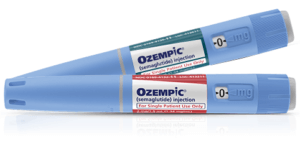
GLP-1 agonists like Ozempic and Mounjaro have reshaped the way we treat diabetes and weight management. Instead of relying on multiple daily pills or injections, many patients now benefit from a simple weekly shot. This not only improves compliance but also fits easily into most lifestyles. Another major appeal is how these drugs help with weight loss. GLP-1 medications reduce appetite, helping users eat less without feeling deprived. This has been especially helpful for people struggling with obesity and related metabolic conditions. For older adults, losing excess weight can mean better heart health and less strain on the joints. But weight loss isn’t always purely positive. It comes with trade-offs, especially when it happens too fast or without careful management.
Multiple benefits that GLP-1 agonists bring, for cardiac function, kidneys and cognitive ability
Older adults face higher risks of cardiovascular disease, kidney problems, and cognitive decline. GLP-1 medications appear to offer some protection in all three areas. Large studies have shown that these drugs help improve blood flow, reduce the chance of strokes, and support heart function. GLP-1s may also protect the kidneys by reducing inflammation and improving renal filtration. This is crucial for people over 65, who are more likely to face declining kidney function. Fewer complications, better hydration control, and lowered risks of end-stage kidney disease are all reasons these medications are seen as helpful for aging bodies.
The most exciting, emerging area of research is in brain health. While it’s still early days, some studies suggest that GLP-1 medications could reduce the risk of Alzheimer’s and other dementias. This could happen through improved blood flow, anti-inflammatory effects, or even direct action on brain cells. It’s too soon to call them a cure, but the signs are promising.
Recognising the risks of GLP-1
While the benefits are real, so are the risks, especially for older adults. One of the biggest concerns is muscle loss. As people age, they naturally lose muscle mass. Adding rapid weight loss through GLP-1 medications can speed up that process, leading to a condition called sarcopenia. This can make someone more frail and increase the chance of falls or injuries. Another risk is reduced bone density.
Thinner people tend to have weaker bones, and losing weight can lower the load that bones carry, reducing their strength. This makes breaks and fractures more likely, especially in people over 70.
GLP-1s can also cause low blood pressure and dehydration. Older adults often take medications for high blood pressure, and if they lose weight while on those meds, their pressure can drop too low, causing dizziness or fainting. Because these drugs reduce appetite, people may eat and drink less, leading to dehydration, which stresses the kidneys and further increases fall risk.
Aging can’t be stopped but it can be slowed
While no pill can stop aging, some steps can help slow down its effects. That includes managing bone health and keeping the brain sharp. Weight-bearing exercises and a protein-rich diet are important to maintain muscle and bone strength. Calcium and vitamin D are also essential, especially after age 70.
Cognitive health is another key area. Supplements like Zoomind are designed to support memory and learning. Combined with regular exercise, mental challenges like puzzles or reading, and a healthy diet, these can help delay or reduce the effects of aging on the brain.
Lifestyle also matters. Making smart choices, like eating whole foods, avoiding excess alcohol, and staying physically active, can make a major difference. GLP-1 drugs may offer extra help, but they work best when paired with these everyday habits.

Getting affordable and reliable access to the right drugs
There’s growing demand for GLP-1 medications worldwide, and that sometimes leads to shortages or rising prices. For older adults on a fixed income, access can become a serious barrier. That’s why finding a reliable, affordable source matters. IsraelPharm is an established online pharmacy that ships FDA-approved brand and generic medications, including Ozempic, Mounjaro, Wegovy, Metformin, and Zepbound, directly to patients.
IsraelPharm is a trusted option for those looking to avoid disruptions, maintain consistent supply, and save money without sacrificing quality. Whether managing diabetes or using these drugs as part of a broader healthy aging strategy, it’s important to choose sources that are fully licensed and transparent about where their products come from.
Making the right choices
For older adults considering GLP-1 medications, it’s not just about what’s possible, it’s about what’s safe and right. Always talk to a qualified doctor or pharmacist who understands the complexities of aging. They can guide the decision-making process, help adjust doses, and monitor any emerging side effects.
Only source medications from pharmacies that are licensed and trusted. IsraelPharm has built a reputation for quality, reliability, and affordability, making it a smart choice for older adults looking for ongoing access to these new therapies. Most importantly, make sure that treatment choices fit into an overall plan that supports health, independence, and quality of life.
Frequently Asked Questions
Are GLP-1 medications safe for older adults?
Yes, there are positive anti-aging effects but they must be used with caution under a doctor’s supervision. Older adults can benefit from GLP-1s, especially for heart, kidney, and brain health. However, they could also be more likely to experience side effects like dehydration, muscle loss, or dizziness. It’s essential that any older person taking these medications works closely with a doctor who can monitor their condition regularly.
Can GLP-1 medications cause muscle loss?
Yes. One of the lesser-known risks of GLP-1 medications is the loss of muscle mass. As people age, muscle naturally declines, and rapid weight loss can worsen that process. For older adults, this can lead to frailty or increased fall risk. Staying active and eating enough protein can help reduce the danger.
Do GLP-1 drugs reduce bone strength?
They can. As weight drops, bones may lose density and become more fragile. This is especially important for older people, who already face higher risks of osteoporosis. Ensuring proper intake of calcium and vitamin D, along with weight-bearing exercises, is key to protecting bone health while on these medications.
What happens to blood pressure when taking GLP-1s?
Many people experience lower blood pressure while taking GLP-1s, which can be a benefit, but also a risk. For those already on blood pressure medications, the combined effect may lead to hypotension (blood pressure that’s too low), resulting in dizziness or fainting. Regular checkups can catch this early.
Is there a way to buy GLP-1 medications affordably?
Yes. GLP-1 medications can be expensive and hard to find in some areas. Ordering through a trusted international pharmacy like IsraelPharm can lower costs and ensure consistent supply. They offer brand-name and generic options with delivery direct to the US and other countries.