
The Crisis of Rising Drug Prices in the US
There’s a lot of talk on Capitol Hill about the need to address high drug prices and the spiraling cost of medications in the US. This is a subject that pops up quite regularly, perhaps in

Spend $99, get free U.S. shipping*
Tel: 1-866-456-3768 Fax: 1-866-544-8993
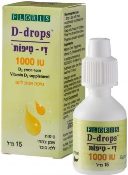
For visual reference only; actual product may vary
US Name:
Vitamin D
Alternative Names:
Vitamin D
Active Ingredients:
Vitamin D
Brand Manufacturer:
Florish
Manufacturer Location:
Israel
Click here to view Product Insert
For visual reference only; actual product may vary
Vitamin D is a vital nutrient essential for strong bones, a healthy immune system, and proper calcium absorption. Our high-quality supplements help you maintain optimal levels to support your overall wellness and prevent deficiency.
| Vitamin D Drops Generic | 400 IU 15ml Bottle |
-
|
Our price: $21.00 |
|
| Vitamin D Drops Generic | 1000 IU 15ml Bottle |
-
|
Our price: $27.00 |
|
| Vitamin D Tabs Generic | 400 IU 90 Tablets |
-
|
Our price: $29.00 |
Vitamin D is a crucial nutrient that functions like a hormone in the body. It is a fat-soluble vitamin that helps the body absorb and retain calcium and phosphorus. Both are critical for building and maintaining strong bones. Your body can produce vitamin D naturally when your skin is exposed to sunlight. However, many people do not get enough sun to produce adequate amounts. Factors like season, location, and skin pigmentation affect production. As a result, dietary supplements are often necessary to prevent deficiency and support overall health. It plays a vital role in many bodily processes beyond just bone health.
Vitamin D works primarily by facilitating the absorption of calcium in the gut. Without enough of this vitamin, your body can only absorb about 10% to 15% of dietary calcium. With sufficient vitamin D, this absorption increases to 30% to 40%. It also helps to maintain proper calcium and phosphate levels in the blood. This regulation is essential for normal bone mineralization and growth. Additionally, this vitamin plays an important role in modulating the immune system. It helps to regulate the production of certain immune cells. This function can help the body fight off infections and reduce inflammation. It communicates with cells throughout the body to support various functions.
Vitamin D is for individuals who have a diagnosed deficiency or are at a high risk of developing one. This often includes older adults, as their skin is less efficient at producing vitamin D. People with limited sun exposure are also common candidates. This includes those who are office-bound, live in northern latitudes, or wear full-coverage clothing. Individuals with darker skin tones may need more sun exposure to produce the same amount of vitamin D. Certain medical conditions affecting fat absorption can also lead to lower levels. Anyone concerned about their levels should consult a doctor.
Vitamin D dosage and administration should be personalized by a healthcare provider. Your specific needs depend on your age, body weight, blood levels, and health status. Supplements are typically taken orally as a tablet, capsule, or liquid drops. It is usually recommended to take it once daily. Because it is fat-soluble, absorption may be better when taken with a meal that contains fat. Your doctor may recommend a specific daily dose or a high dose taken weekly. Always follow the instructions provided by your doctor or on the product label. Do not exceed the recommended dose without medical advice to avoid toxicity.
Vitamin D can cause side effects, though they are uncommon at recommended doses. Most side effects are the result of taking excessively high amounts for a long time. This can lead to a toxic buildup of calcium in the blood, a condition known as hypercalcemia. Symptoms of hypercalcemia can include nausea, vomiting, loss of appetite, and constipation. You might also experience weakness, confusion, or a feeling of fatigue. In more severe cases, it can cause kidney problems and bone pain. It is crucial to stick to the dosage prescribed by your healthcare provider to avoid these potential risks.
Buying Vitamin D from IsraelPharm ensures you receive a high-quality product from a reliable and trusted source. We are dedicated to providing our customers with safe, effective, and affordable health supplements and medications. Our easy-to-navigate website makes the ordering process simple and secure. We provide clear, accurate information about our products so you can make informed decisions about your health. With fast shipping and a commitment to customer satisfaction, IsraelPharm is a convenient choice for your wellness needs. Our knowledgeable customer support team is always available to help you with your order.
Taking too much Vitamin D can lead to toxicity (hypervitaminosis D). Seek advice from a doctor if you experience any of the following:
Vitamin D supplements are primarily used for:
Vitamin D is essential for several critical bodily functions. Its most important role is helping the body absorb calcium, which is necessary for building and maintaining strong, healthy bones and teeth. It also supports the immune system, helping your body fight off infections. Additionally, it plays a part in muscle function and can influence mood and overall well-being. Your doctor may recommend it to address a deficiency.
Vitamin D supplements begin to raise blood levels of the vitamin within a few days or weeks. However, it may take several months of consistent supplementation to correct a significant deficiency and restore optimal levels in the body. The exact timeline depends on the starting level, the dosage taken, and individual factors like age and health status. You may notice improvements in symptoms like fatigue or mood sooner.
Vitamin D is often taken as a daily supplement to maintain adequate levels. Daily dosing is a common and effective strategy for preventing and treating deficiency. The appropriate daily dose varies widely among individuals. It depends on factors like age, diet, sun exposure, and current blood levels. Always follow the dosage recommended by your healthcare provider, as taking too much can be harmful over time.
Vitamin D deficiency symptoms can be subtle but may include fatigue, bone pain, muscle weakness, or frequent infections. Some people experience mood changes, like depression. In children, a severe deficiency can cause rickets, which leads to soft, weak bones and skeletal deformities. In adults, it can contribute to osteomalacia (softening of the bones) or osteoporosis (brittle bones). Many people have no obvious symptoms at all.
Vitamin D can be produced by the body when skin is exposed to UVB rays from the sun. However, many factors limit production, including season, cloud cover, sunscreen use, and skin tone. It can be difficult to get enough sun exposure consistently and safely. Overexposure to the sun also increases the risk of skin cancer. For this reason, many people require supplements to reach optimal levels.
Vitamin D is not naturally present in many foods. Fatty fish like salmon, mackerel, and sardines are some of the best natural sources. Some foods are fortified with it, meaning the vitamin has been added. These often include milk, certain breakfast cereals, orange juice, and plant-based milk alternatives like soy or almond milk. However, it can be challenging to get enough from diet alone, which is why supplements are common.
Vitamin D can interact with certain medications. Some steroids, like prednisone, can lower your vitamin D levels. The weight-loss drug orlistat and the cholesterol-lowering drug cholestyramine can reduce the absorption of vitamin D. Conversely, some diuretics used for high blood pressure can increase calcium levels, which could be risky when combined with high doses of this vitamin. Always inform your doctor about all supplements you take.
Vitamin D toxicity, or hypervitaminosis D, can occur if you take excessively high doses for an extended period. It leads to a buildup of calcium in your blood, a condition called hypercalcemia. Symptoms include nausea, weakness, frequent urination, and confusion. Over time, this can lead to bone pain and kidney problems, such as the formation of calcium stones. Always adhere to the dose prescribed by your doctor.
Vitamin D can be taken at any time of day that is convenient for you. The most important thing is to take it consistently. Some studies suggest that it may interfere with sleep if taken late at night, as it can potentially affect melatonin production. Therefore, many people prefer to take it in the morning or with their first meal. Taking it with a source of fat can improve its absorption.
Vitamin D is crucial for a child's growth and bone development. Many pediatricians recommend supplements for children, especially for breastfed infants, as breast milk is often low in this vitamin. The American Academy of Pediatrics recommends that all infants and children receive a minimum daily amount. The specific dosage will depend on the child’s age, diet, and risk factors. Always consult a pediatrician before giving any supplement to a child.
Vitamin D supplements should be stored in a cool, dry place away from direct sunlight and heat. The original container is typically best for storage. Keeping them in a medicine cabinet in a bathroom is generally not recommended, as heat and humidity can degrade the supplement's potency over time. Ensure the bottle is tightly sealed and kept out of reach of children and pets for safety.
Vitamin D is a fat-soluble vitamin, which means it dissolves in fat and is absorbed better when consumed with a meal or snack that contains some fat. While you can take it without food, taking it with a source of healthy fats like avocado, nuts, seeds, or olive oil can enhance its absorption into your bloodstream. This helps you get the most benefit from your supplement.
Vitamin D3, also known as cholecalciferol, is one of the two main forms of Vitamin D. The other is D2 (ergocalciferol). Vitamin D3 is the type that your skin produces in response to sunlight and is also found in animal-based foods. Most experts believe D3 is more effective at raising and maintaining blood levels of the vitamin compared to D2. Many over-the-counter supplements use the D3 form for this reason.
Vitamin D itself does not typically cause constipation when taken at recommended doses. However, constipation can be a symptom of taking excessively high amounts of the supplement. This is because very high levels lead to hypercalcemia (too much calcium in the blood), which can disrupt digestive function and cause constipation. If you experience this, you should consult your doctor to check your dosage and calcium levels.
Vitamin D does not directly provide energy in the way that calories or caffeine do. However, a common symptom of being deficient in this vitamin is fatigue or a feeling of low energy. By correcting a deficiency, Vitamin D supplements can help alleviate this fatigue, leading to an improvement in perceived energy levels and overall well-being. This effect is a result of restoring normal bodily function rather than a direct stimulating effect.
Send Your Prescription
No Hidden Fees
Typically Under 10 days

IsraelPharm has been delivering lost cost prescriptions from Israel for over 15 years worldwide. Daily flights allow us to get your medications dispatched fast! Delivery to the USA is under 10 days and you can track and trace every order.

There’s a lot of talk on Capitol Hill about the need to address high drug prices and the spiraling cost of medications in the US. This is a subject that pops up quite regularly, perhaps in

A recent article from CNN Politics discusses the measures Medicare is taking to reduce the cost of medications that financially burden the agency. The title of the CNN Politics article tells just about all you