

Fast Delivery

Ships from Israel

Secure Payment

Genuine Brands

Pharmacist Oversight

Proudly Israeli

Free Shipping on orders over $99*

Daily from 9am-8pm EST.

IsraelPharm
Hataasia 16
Bet Shemesh Israel, 9906105
Hataasia 16
Bet Shemesh Israel, 9906105
Spend $99, get free U.S. shipping*
Tel: 1-866-456-3768 Fax: 1-866-544-8993
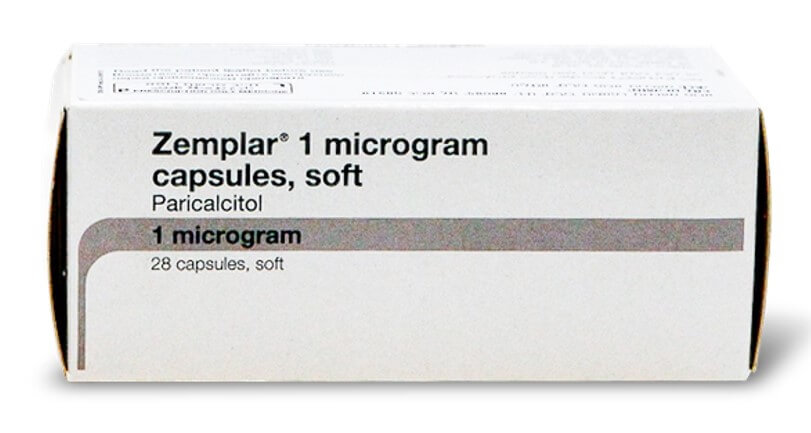
For visual reference only; actual product may vary
US Name:
Zemplar
Alternative Names:
Zemplar
Active Ingredients:
Paricalcitol
Brand Manufacturer:
Abbvie
Manufacturer Location:
UK
Click here to view Product Insert
Click here to view Product Insert
For visual reference only; actual product may vary
Zemplar (paricalcitol) is a prescription medication used to treat secondary hyperparathyroidism in patients with chronic kidney disease. As a synthetic vitamin D analog, it helps lower high parathyroid hormone levels, reducing the risk of serious bone and mineral complications.
| Zemplar Brand | 1mcg 28 Capsules |
-
|
Our price: $233.00 |
Zemplar is a prescription medication containing paricalcitol, a synthetic form of active vitamin D. Zemplar is primarily used to treat and prevent a condition called secondary hyperparathyroidism. This condition occurs in patients who have chronic kidney disease. The kidneys are unable to produce enough active vitamin D. This leads to an imbalance of hormones. Eventually, this can cause serious bone and mineral problems if left untreated. Zemplar helps restore balance and protect your bones.
Zemplar works by directly targeting the parathyroid glands in your neck. These glands control the level of parathyroid hormone (PTH) in your blood. In chronic kidney disease, these glands become overactive and produce too much PTH. Zemplar signals these glands to reduce their hormone production. This action helps to lower PTH levels. As a result, it helps manage calcium and phosphorus levels in the body. This prevents the bones from losing calcium and becoming weak.
Zemplar is intended for adults and children aged 10 and older with chronic kidney disease. Specifically, it is for patients in later stages (3, 4, and 5) who have developed secondary hyperparathyroidism. This includes patients who are on dialysis. A doctor will confirm the diagnosis through blood tests that measure PTH, calcium, and phosphorus levels. You should only use Zemplar under the supervision of a healthcare provider who can monitor your condition and response to the treatment.
Zemplar dosage is carefully calculated by your doctor based on your body weight and PTH levels. It is available as an oral capsule. You can take the capsule with or without food. The pill should be swallowed whole with a glass of water. Do not crush, chew, or open the capsule. Your doctor will tell you how often to take it, which could be daily or a few times a week. It is critical to follow the prescribed dosage instructions exactly to ensure the medication works safely and effectively.
Zemplar may cause side effects, though not everyone experiences them. The most common side effects are related to changes in calcium levels. These include nausea, vomiting, dry mouth, and constipation. Some people might also experience chills, fever, or flu-like symptoms. More serious side effects can occur if your blood calcium levels get too high. Symptoms include confusion, weakness, irregular heartbeat, or appetite loss. Contact your doctor immediately if you experience severe symptoms or signs of an allergic reaction.
IsraelPharm offers a safe and affordable way to purchase your essential medications like Zemplar. We are a trusted source for brand-name drugs directly from authorized distributors. Our licensed pharmacists are available to answer your questions and provide support. We prioritize your health by ensuring every medication we dispense is authentic and effective. With competitive pricing, discreet packaging, and reliable international shipping, managing your health has never been easier. We are committed to providing excellent care and service.
Your doctor has determined that the benefit of Zemplar is greater than the risk of side effects. Many people using this medication do not have serious unwanted effects.
Some patients may experience side effects such as:
You should contact your doctor right away if you experience any serious side effects. An overdose can cause high blood calcium (hypercalcemia). Signs of this include confusion, severe constipation, or muscle weakness. Other serious effects can include:
Zemplar is indicated for the treatment and prevention of high levels of parathyroid hormone (secondary hyperparathyroidism) in patients with chronic kidney disease.
This condition occurs when the kidneys fail to produce enough active vitamin D, leading to hormone imbalances. If untreated, it can cause symptoms like:
Untreated hyperparathyroidism can also lead to significant bone abnormalities and an increased risk of fractures.
Zemplar begins to lower parathyroid hormone (PTH) levels within the first few weeks of treatment. Most patients see a significant reduction in their PTH levels after two to three months of consistent use. Your doctor will monitor your blood through regular tests to track your progress and adjust the dosage as needed to achieve optimal results for your condition.
Zemplar may interact with certain other medications, so you must tell your doctor about everything you take. Drugs such as ketoconazole, some diuretics (water pills), and medications containing phosphate or vitamin D can interfere with Zemplar. Your doctor will help manage your prescriptions to ensure there are no harmful interactions while you are undergoing treatment.
If you miss a dose of Zemplar, you should take it as soon as you remember. However, if it is almost time for your next scheduled dose, it is best to skip the missed one. Do not take a double dose of Zemplar to make up for the missed one, as this can increase your risk of developing high calcium levels.
Zemplar contains paricalcitol, which is a man-made, active form of vitamin D. It is specifically designed to target the parathyroid glands and lower the production of parathyroid hormone. Unlike over-the-counter vitamin D supplements, Zemplar is a potent prescription drug that requires a doctor's supervision, especially for patients who have chronic kidney disease.
There is no major interaction noted between Zemplar and moderate alcohol consumption. However, it is always wise to limit alcohol intake. Heavy drinking can harm your liver and kidneys, which could affect your overall treatment. You should always consult your doctor for personalized advice regarding alcohol use while you are taking Zemplar or any other medication.
You should store Zemplar capsules at normal room temperature, between 68°F to 77°F (20°C to 25°C). Keep them away from excess heat, moisture, and direct light. It is also very important to keep the medication in its original container and safely out of the reach of children and pets. Do not store it in a humid place like the bathroom.
Zemplar does not typically cause major changes in blood pressure for most patients. However, some people may experience side effects like dizziness or swelling in the limbs (edema), which can relate to fluid balance. If you notice any unusual changes in your blood pressure readings or feel dizzy or unwell, you should contact your doctor.
Zemplar should only be used during pregnancy if the potential benefits clearly outweigh the potential risks to the developing baby. There is not enough research on its effects in pregnant women to be certain. If you are pregnant, planning to become pregnant, or are breastfeeding, you must discuss using Zemplar with your healthcare provider to make a safe decision.
Your doctor may recommend a special diet while you are taking Zemplar, which often includes limiting your dietary intake of phosphorus. You will likely also be advised to avoid other vitamin D supplements and certain calcium supplements unless your doctor specifically approves them. Following these dietary rules helps Zemplar work better and lowers the risk of side effects.
Taking too much Zemplar can lead to dangerously high blood calcium levels, a condition called hypercalcemia. Symptoms of an overdose may include severe nausea, vomiting, loss of appetite, weakness, confusion, constipation, and extreme drowsiness or unresponsiveness. If you believe you or someone else has taken too much Zemplar, you must seek emergency medical help immediately.
Zemplar should not be taken by people who have evidence of vitamin D toxicity or those who have high levels of calcium in their blood (hypercalcemia). Additionally, anyone with a known serious allergy to its active ingredient, paricalcitol, or any of the other components in the capsules should avoid this medication. Your doctor will review your history to ensure it is appropriate for you.
Zemplar does not cure chronic kidney disease itself. Instead, Zemplar is prescribed to manage a common and serious complication of kidney disease, known as secondary hyperparathyroidism. By controlling your parathyroid hormone levels, it helps to prevent further damage to your bones and cardiovascular system, thus improving your overall health while you manage your underlying kidney condition.
Zemplar is approved for use in children who are 10 years of age and older and have stage 3, 4, or 5 chronic kidney disease. The medication is used to treat secondary hyperparathyroidism in this group. A pediatric specialist will determine the correct dosage based on the child's weight and laboratory results to ensure the treatment is both safe and effective.
While taking Zemplar, your doctor will order regular blood tests to monitor your health. These tests are very important for your safety. They will frequently check your blood levels of parathyroid hormone (PTH), calcium, and phosphorus. This allows your doctor to adjust your dose correctly and prevent side effects like high blood calcium or high blood phosphorus levels.

Send Your Prescription
No Hidden Fees
Generally 7-10 Business Days


IsraelPharm has been delivering lost cost prescriptions from Israel for over 15 years worldwide. Daily flights allow us to get your medications dispatched fast! Delivery to the USA is under 10 days and you can track and trace every order.