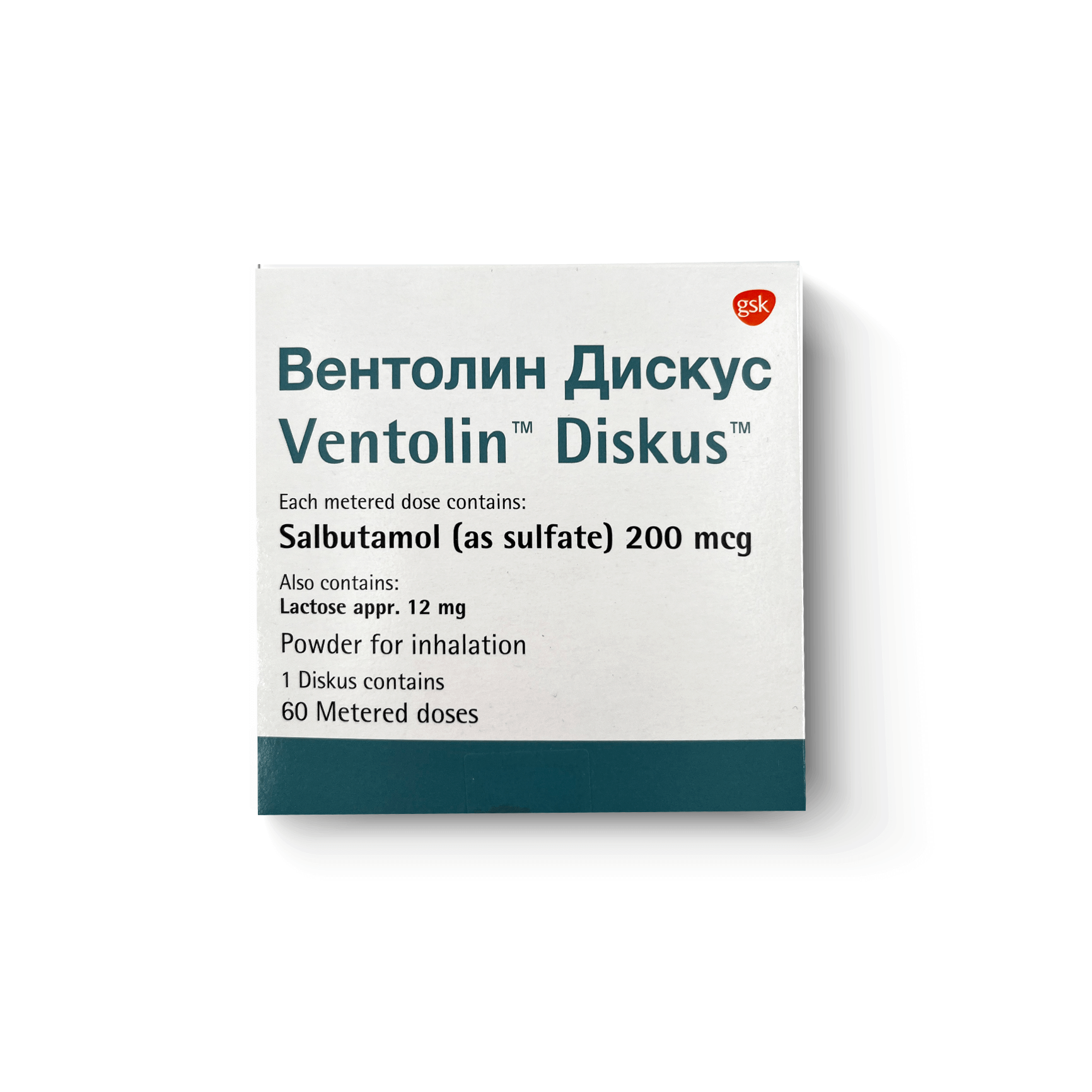
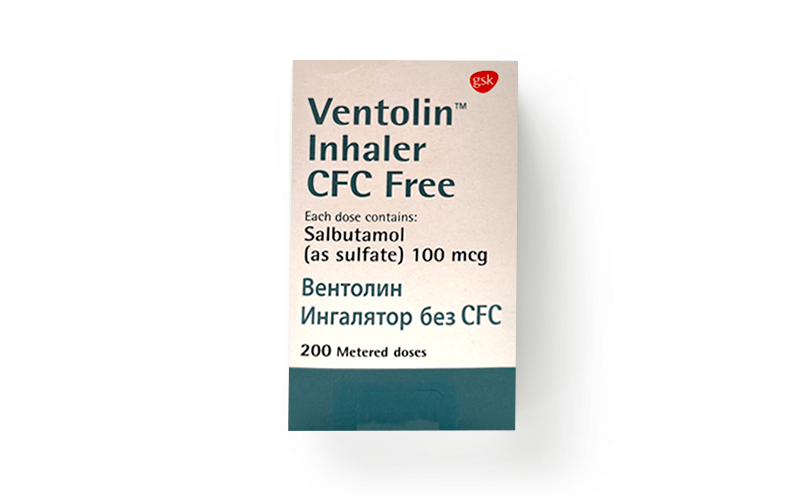
What is Ventolin?
Ventolin is a world-renowned rescue inhaler used to treat breathing problems associated with asthma and other airway diseases. Its active ingredient, salbutamol (also known as albuterol), provides quick relief from sudden symptoms. Ventolin helps people manage unexpected flare-ups of shortness of breath, wheezing, and chest tightness. It is a critical tool for anyone needing to restore normal breathing quickly. This medication is trusted by millions for its rapid and reliable effects.
How does Ventolin work?
Ventolin works by targeting and relaxing the muscles that line the airways of the lungs. The active ingredient, salbutamol, is a short-acting beta-agonist. It stimulates specific receptors (beta-2 receptors) in the lung passages. This stimulation causes the tightened muscles to relax and the airways to widen, a process called bronchodilation. As the passages open, air can flow more freely. This action makes it easier to breathe within minutes of using the inhaler.
Who is Ventolin for?
Ventolin is for adults and children who experience bronchospasm, which is the sudden narrowing of the airways. It is most commonly prescribed for patients with asthma. Doctors also prescribe it for those with chronic obstructive pulmonary disease (COPD). This medication is ideal for individuals who need a “rescue” inhaler. A rescue inhaler provides on-the-spot relief from breathing difficulties. It is also used to prevent asthma symptoms triggered by exercise when taken before physical activity.
Dosage and administration
Ventolin is administered as an aerosol spray that is inhaled through the mouth. The standard dose for relieving an asthma attack is typically one or two puffs. To prevent exercise-induced bronchospasm, patients usually take two puffs 15 to 30 minutes before activity. Always follow your doctor’s specific instructions. It is important to learn the correct inhaler technique to ensure the medicine reaches the lungs effectively. The inhaler device has a counter to track the number of doses remaining.
Side effects
Ventolin may cause some side effects, though not everyone experiences them. It is important to know what to watch for. Remember that your doctor prescribed this medication because the benefits outweigh the risks. Many people use Ventolin without having any serious side effects.
Common side effects may include:
- Nervousness or feeling shaky (tremor)
- Headache
- Nausea or dizziness
- A fast or pounding heartbeat
Less common, but more serious side effects include:
- Chest pain or an irregular heartbeat
- Rapid breathing or confusion
- A severe and sudden worsening of breathing problems (paradoxical bronchospasm)
- Signs of an allergic reaction (rash, itching, swelling, severe dizziness, trouble breathing)
If you experience any serious side effects, you should seek medical help right away.
Why buy from IsraelPharm?
Ventolin from IsraelPharm ensures you receive genuine, brand-name medication directly from a trusted source. We provide a simple and secure way to order your essential respiratory medications online. Our platform offers competitive pricing without requiring coupons or discount codes, helping you save on your prescriptions. With our licensed pharmacy partners and dedicated customer service, you can feel confident in your purchase. Enjoy the convenience of having your medication delivered directly to your door.
Like all medicines, Ventolin can cause side effects. Most are mild and temporary.
Common Side Effects:
- Shaking or trembling (tremor)
- Nervous tension or headache
- Increased heart rate or palpitations
- Dizziness
Serious Side Effects (seek medical help immediately):
- Severe worsening of breathing (paradoxical bronchospasm)
- Chest pain or irregular heartbeat
- Symptoms of a severe allergic reaction (rash, swelling, trouble breathing)
Ventolin (salbutamol) treats and prevents breathing difficulties caused by several conditions. It is primarily indicated for:
- Asthma: Providing quick relief from acute symptoms like wheezing, chest tightness, and shortness of breath.
- Chronic Obstructive Pulmonary Disease (COPD): Managing sudden flare-ups of breathing problems.
- Exercise-Induced Bronchospasm: Preventing airway narrowing that occurs during or after physical activity.