What is Prograf?
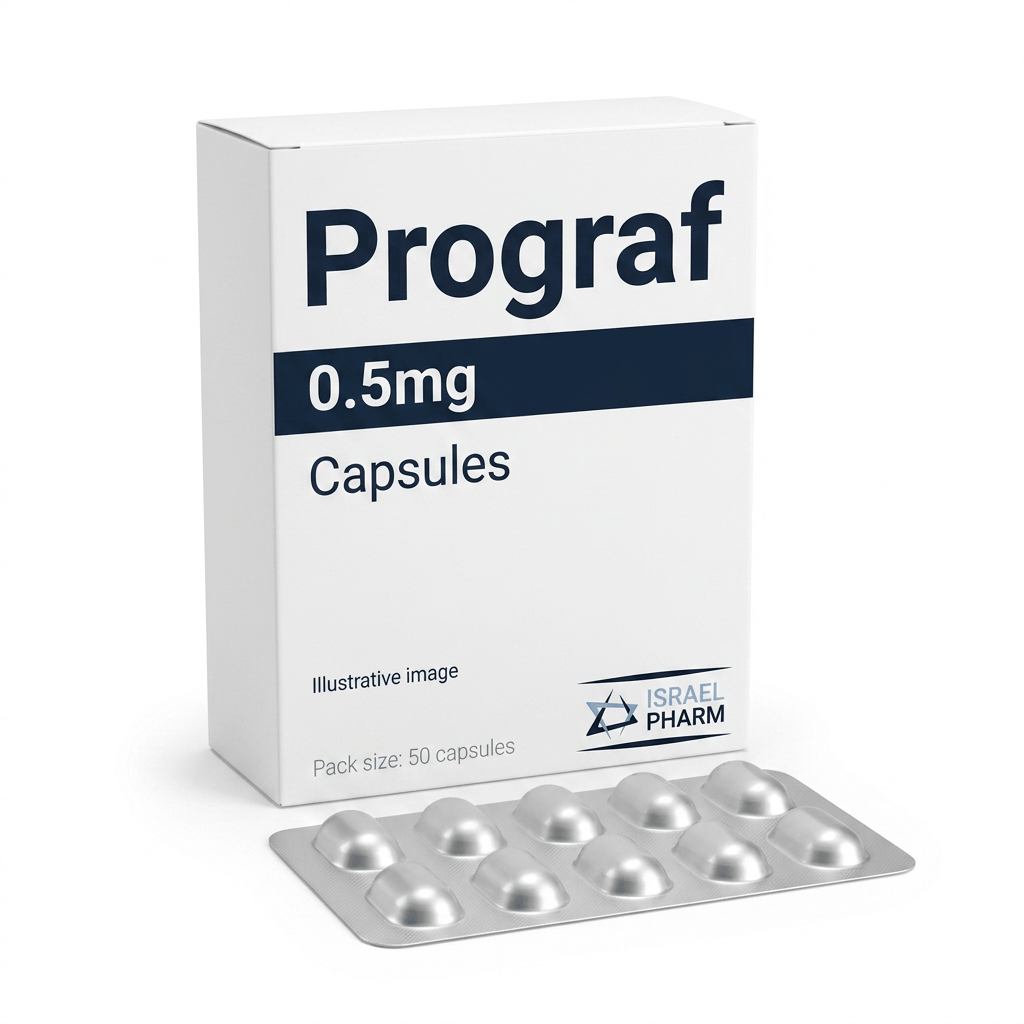
Prograf is an immunosuppressant medication that prevents the body from rejecting a transplanted organ. It contains the active ingredient tacrolimus. Doctors prescribe Prograf for patients who have received a kidney, liver, heart, or lung transplant. It helps your body accept the new organ as its own. This medication is usually taken with other drugs to increase its effectiveness. Prograf plays a vital role in the long-term success of organ transplant surgery. It allows transplant recipients to live longer, healthier lives with their new organs. By keeping the immune system in check, Prograf protects the precious gift of donation.
How does Prograf work?
Prograf works by suppressing the body’s immune system to stop it from attacking a new organ. The immune system normally identifies and destroys foreign invaders like bacteria and viruses. After a transplant, the immune system may see the new organ as a foreign threat. Prograf lowers the activity of specific immune cells called T-lymphocytes. It blocks a substance called calcineurin, which these cells need to become active. This action prevents the T-lymphocytes from sending signals that would lead to an attack on the transplanted organ. This targeted suppression helps prevent rejection while still allowing the body to fight most infections.
Who is Prograf for?
Prograf is for patients who have undergone an organ transplant operation. It is specifically used to prevent rejection of kidney, liver, heart, or lung transplants. This medication is a cornerstone of post-transplant care. It is suitable for both adult and pediatric patients, with dosages adjusted by a doctor. Patients must be willing to comply with a strict medication schedule and regular medical follow-ups. Prograf is intended for long-term use to ensure the continued health of the transplanted organ. Your transplant team will decide if Prograf is the right choice for your specific situation.
Dosage and administration
Prograf dosage and administration are always determined by your healthcare provider. Your doctor will prescribe a specific dose based on your weight, the type of transplant, and other medical conditions. You should take Prograf at the same times each day, usually 12 hours apart. It is important to be consistent about taking it with or without food. If you take it with food one day, you should always take it with food. Do not crush, chew, or open the capsules; swallow them whole. Never change your dose or stop taking Prograf without consulting your doctor. Regular blood tests are required to monitor the amount of Prograf in your body and adjust the dose if needed.
Side effects
Prograf may cause side effects, which can range from mild to severe. Common side effects include tremors, headache, diarrhea, high blood pressure, nausea, and kidney problems. You may also experience high blood sugar, high potassium levels, or trouble sleeping. It is important to talk to your doctor about any side effects you experience. Prograf also increases your risk of developing infections because it suppresses your immune system. You should watch for signs of infection like fever, chills, or a sore throat. Serious side effects can include an increased risk of cancer, especially skin cancer. Always use sunscreen and wear protective clothing when outdoors.
Why buy from IsraelPharm?
IsraelPharm offers a safe, reliable, and affordable way to purchase your essential medications like Prograf. We are a trusted online pharmacy providing genuine, high-quality medications to patients in the United States and worldwide. Our licensed pharmacists are available to answer your questions and provide support. We pride ourselves on excellent customer service, discreet packaging, and timely delivery. When you order from IsraelPharm, you can be confident you are receiving authentic medication from a reputable source. We make managing your post-transplant care easier and more convenient, allowing you to focus on your health and recovery.
Prograf can cause side effects. Tell your doctor if any of these symptoms are severe or do not go away:
- Tremors or shaking
- Headache
- Diarrhea or constipation
- Nausea and vomiting
- High blood pressure
- Difficulty sleeping
- Swelling in the hands or feet
Some side effects can be serious. Prograf lowers your ability to fight infections. Call your doctor right away if you have signs of an infection, such as:
- Fever, sweats, or chills
- Cough or flu-like symptoms
- Muscle aches
- Warm, red, or painful skin sores
Prograf is used to prevent the rejection of transplanted organs. It is essential for patients who have received a:
- Kidney transplant
- Liver transplant
- Heart transplant
- Lung transplant
Prograf is used with other medicines to suppress the immune system. This helps the body accept the new organ.


 Immune Pack