

TrumpRx Numbers Tell All
A lot of major news outlets have been covering the latest announcement posted on the TrumpRx.gov website on March 19, especially the claims about lower drug costs and better savings for Americans paying cash for
Spend $99, get free U.S. shipping*
Tariff now required on U.S. shipments. Learn more »
Tel: 1-866-456-3768 Fax: 1-866-544-8993
For visual reference only; actual product may vary
US Name:
Ozempic – Wegovy
Alternative Names:
Ozempic, Wegovy
Active Ingredients:
Semaglutide
Brand Manufacturer:
Novo Nordisk
Manufacturer Location:
Click here to view Product Insert
For visual reference only; actual product may vary
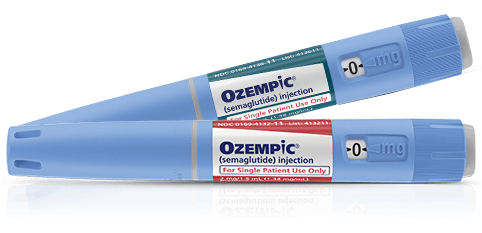
Ozempic (semaglutide) will help control blood sugar levels in adults with type 2 diabetes. It can be prescribed off-label for overweight adults to help them lose weight. Ozempic comes in a pen injector prefilled with four doses of the prescribed strength, to be used once each week.
Ozempic can only be shipped to the United States.
Maximum 1 pen per order. Shipped without ice and must be used within 56 days from the shipping date.
Explore similar weight loss drugs: Wegovy and Compounded Semaglutide.
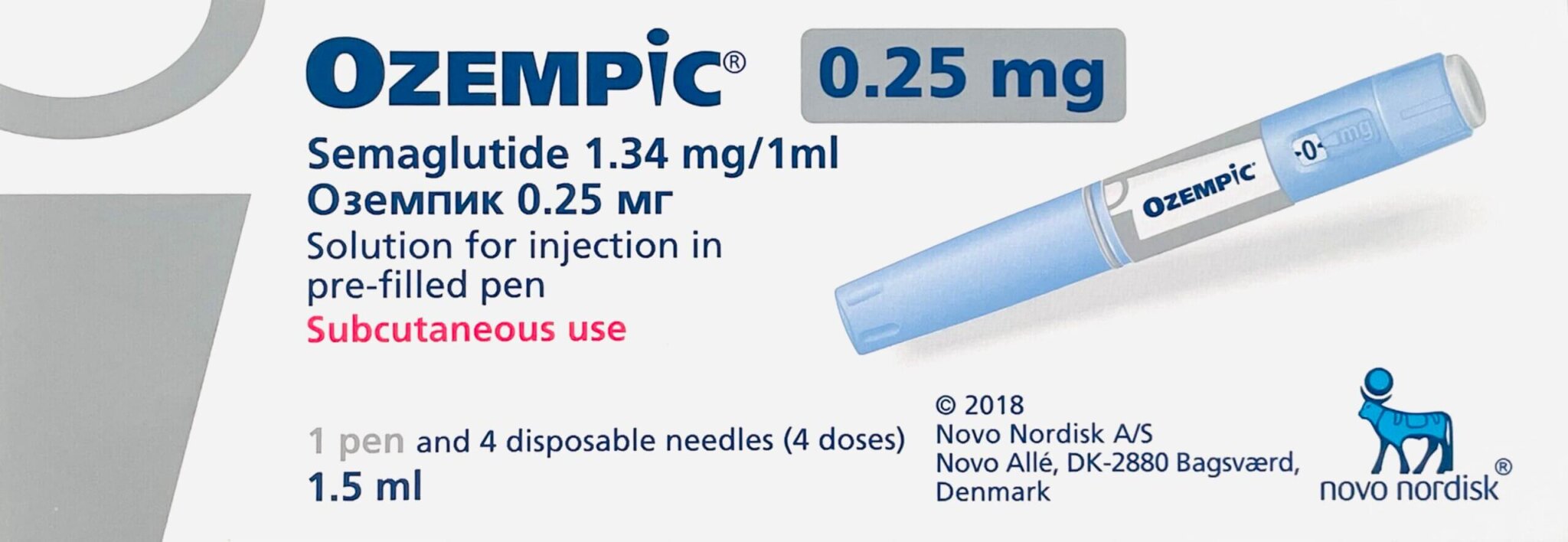
| Ozempic Brand | 0.25mg 1 Pen | $399.00 | Add to Cart |
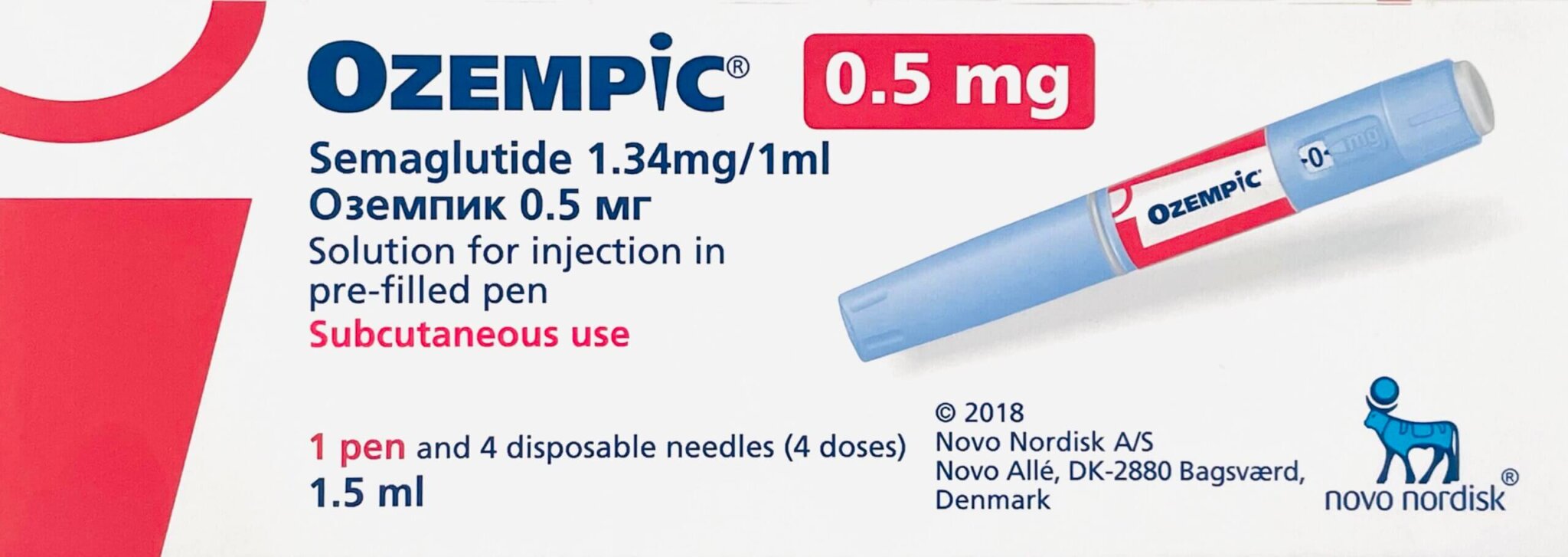
| Ozempic Brand | 0.5mg 1 Pen | $399.00 | Add to Cart |
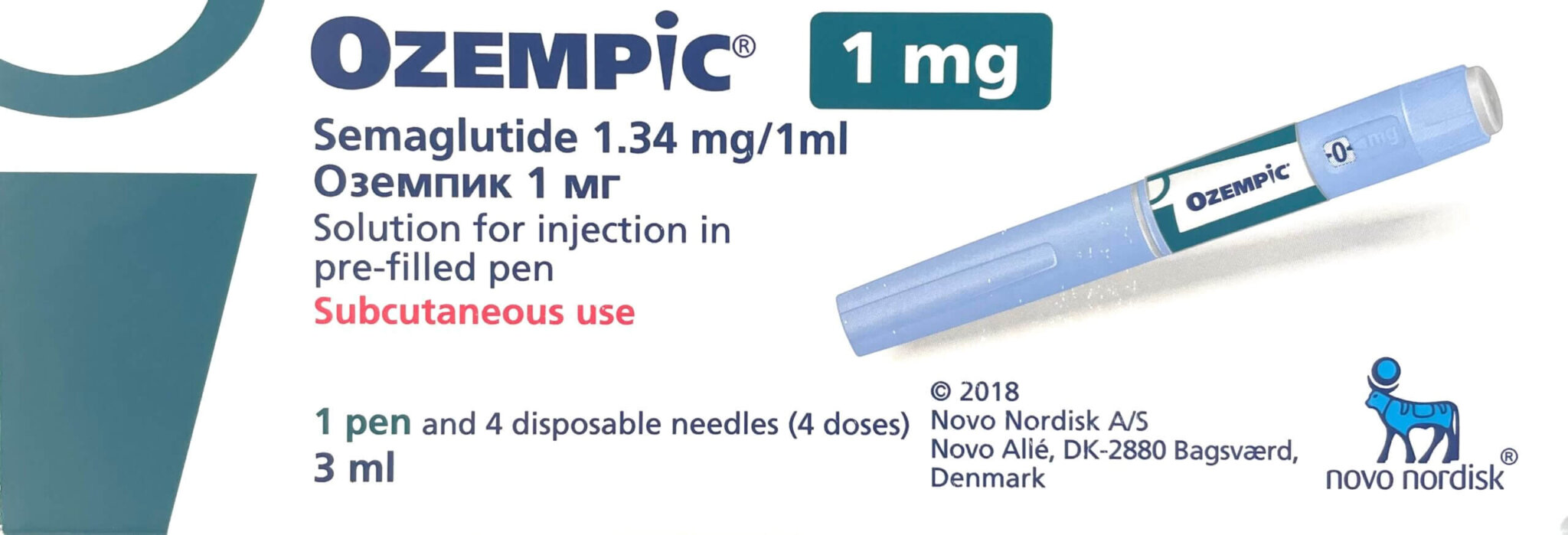
| Ozempic Brand | 1mg 1 Pen | $399.00 | Add to Cart |
| Wegovy Brand | 1.7mg 1 Pen | $559.00 | Add to Cart |
| Wegovy Brand | 2.4mg 1 Pen | $599.00 | Add to Cart |
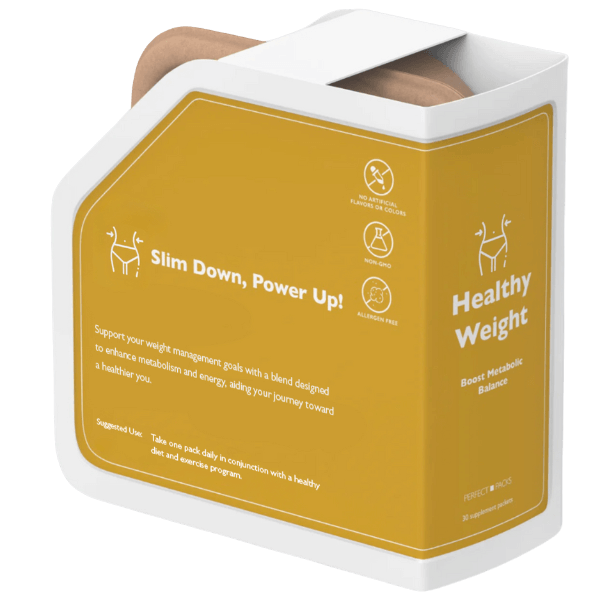
Healthy Weight Pack | 30 Pouches 1 Pouch a Day | –+ | Our price: $81.60 |
Ozempic (generic name: semaglutide) is a medication designed to help control blood sugar levels (hyperglycemia) and also reduce the risk of major adverse cardiovascular events in adults with type 2 diabetes.
Ozempic is a glucagon-like peptide receptor agonist (GLP-1 RA). GLP-1 is a hormone produced in the gut. It is released in response to food, prompting the release of insulin as well as a reduction in appetite.Â
In the case of people with type 2 diabetes, it acts to slow digestion and, in this way, stimulates increased production of natural insulin. In this sense, Ozempic does not work like other treatments of diabetes, which provide the required insulin from external sources (injection or oral insulin). Some doctors do treat type 1 diabetes with Ozempic, but this is an off-label use and does not have FDA approval. Read more about off-label prescribing here.
For people who have been classified as overweight or obese, Ozempic may be prescribed as an off-label weight-loss treatment along with appropriate diet controls and exercise. The primary effect of Ozempic in this treatment is as an appetite suppressant. Wegovy, the sister drug to Ozempic, uses the same GLP-1 generic compound (semaglutide) and does have FDA approval for weight loss.
As well as its effectiveness in controlling blood-sugar levels without insulin, Ozempic acts to lower the levels of A1C. The hemoglobin A1C or HbA1c test measures average blood sugar levels over a period of 3 months. It is an effective test for diagnosis of prediabetes and tracking development of diabetes.
In a study of over 1200 adults treated with once-weekly Ozempic, patients that started with an average A1C of 8.1 reached an A1C less than 7 (the target for healthy blood sugar level) after twelve months.
Ozempic also lowers the risk of major events such as heart attack, stroke, or death in people with preconditions of cardiovascular disease.
Ozempic works to reduce appetite and feelings of hunger, which can, along with good diet and exercise programs, induce weight loss and to sustain weight reduction. GLP-1, the key hormone in Ozempic, reduces gastric emptying (the speed at which the stomach empties of food) and blocks production of glucagon, the hormone that instructs the liver to release stored glucose. Both of these will cause a reduction in the need for food intake.
Usually, the dosage starts at 0.25 mg once weekly. After four doses, it will be increased to 0.5 mg each week. Possible further increases may be prescribed by your doctor at the end of each four weeks if the results indicate that higher doses are needed.
Ozempic is self-administered from the supplied kit containing a pre-filled pen with one month’s supply (four doses plus needles). The kit should be kept refrigerated.
It is advisable when you take the first dose to be under supervision, since there have been reports of a very small number of people suffering anaphylactic shock with the first administration of Ozempic. Your doctor or nurse should show you how to self-administer.
Ozempic should be administered once weekly on the same day and at the same time of day, with or without meals. If a dose is missed, administer one within five days of the skipped one, but do not double-dose! Ozempic should be injected just under the skin into the upper thigh, abdomen, or upper arm. Swap injection sites on a four-week cycle so that you are not injecting into the same area each week. At the very least, do not inject closer than 15 centimeters (6 inches) from the previous week’s site.
The FDA has only approved Ozempic for prescription to adult type 2 diabetic patients. It is not used to control type 1 diabetes. For weight loss, doctors can prescribe Ozempic off-label, or its sister drug Wegovy, which is approved by the FDA for overweight and obese patients.
Before injecting, check that the Ozempic pen is clear and free of particles or discoloration. If it does, immediately replace it.
Do not share your Ozempic pen with others, even if the needle has been replaced. The dosage in the pen has been calibrated for your requirements. You could also cause or receive a serious infection.
Ozempic is designed to control blood sugar levels for people with type 2 diabetes who are not producing sufficient insulin or who are not processing insulin correctly (hyperglycemia). Ozempic has the effect of increasing insulin sensitivity while inhibiting glucose production in the liver. Ozempic is different from other treatments of diabetes, which provide insulin from external sources (injection or oral insulin).
Each Ozempic pen has exactly four doses calibrated to match your doctor’s prescription strength.
Type 2 diabetes is not curable. Anyone who has been diagnosed with diabetes should be under regular supervision by a healthcare professional and should continue the prescribed medications as long as they are needed. Treatments aim to either reduce sugar levels in the blood with diet or boost insulin levels directly with oral or injected insulin or, like Ozempic, to stimulate the natural secretion of insulin.
Ozempic has only been approved by the FDA for type 2 diabetes, and can only be prescribed off-label for weight loss. Most doctors are now prescribing its FDA-approved sister drug Wegovy for patients who are seriously overweight or obese. The criteria are for the patient to have a bods mass index (BMI) of 30 or higher, or BMI of 27-30 if there are associated conditions (such as diabetes, high blood pressure or sleep apnea.)
Always take the time to read the manufacturer’s Product Insert that comes with the medication. Not all side effects are listed here. Consult a healthcare provider if you experience any of these or other unexpected effects.
The reported side effects associated with all GLP-1 treatments are:
Generally, these are mild and should clear within a few weeks of the commencement of treatment. However, if they persist, or worsen, consult with the prescribing physician immediately. You can read more about the possible side effects here.Â
While it is not known that Ozempic will cause thyroid tumors, consult with the prescribing physician if you have trouble swallowing, hoarseness, shortness of breath, or notice a lump or swelling in your neck. These could be symptoms of thyroid cancer.
The benefits from usage of Ozempic are:
Usually, the dosage starts at 0.25 mg once weekly. After four doses, it will be increased to 0.5 mg each week. Possible further increases may be prescribed by your doctor at the end of each four weeks if the results indicate that higher doses are needed.
Ozempic is self-administered from the supplied kit containing a pre-filled pen with one month’s supply (four doses plus needles). The kit should be kept refrigerated.
It is advisable when you take the first dose to be under supervision, since there have been reports of a very small number of people suffering anaphylactic shock with the first administration of Ozempic. Your doctor or nurse should show you how to self-administer.
Ozempic should be administered once weekly on the same day and at the same time of day, with or without meals. If a dose is missed, administer one within five days of the skipped one, but do not double-dose! Ozempic should be injected just under the skin into the upper thigh, abdomen, or upper arm. Swap injection sites on a four-week cycle so that you are not injecting into the same area each week. At the very least, do not inject closer than 15 centimeters (6 inches) from the previous week’s site.
Before injecting, check that the Ozempic pen is clear and doesn’t contain any particles or discoloration. If it does, immediately replace that pen.
Do not share your Ozempic pen with other people, even if the needle has been replaced. The dosage in the pen has been calibrated for your personal requirements. You could also cause or receive a serious infection.
Ozempic comes in a pre-loaded pen with four doses. Take care to read the instruction leaflet that comes with each pen. Twist the loader at the back of the pen clockwise as far as it will go, and inject just under the skin in either the abdomen or thigh. Try to rotate the injection site each week (for example, left abdomen, left thigh, right abdomen, right thigh), so that you do not inject at the same place twice in a row. Ozempic is taken once each week. It is best to take it on the same day of the week and at about the same time.
The generic component in Ozempic is semaglutide. It is also available as an oral medication known as Rybelsus. The prescribing doctor will decide which drug best suits each person’s specific needs.
Buying a one-month supply of Ozempic from IsraelPharm currently costs $399, regardless of the strength
Ozempic contains the GLP-1 receptor agonist known as semaglutide. It increases insulin secretion and lowers blood sugar levels by improving glycemic control. There may be other options or alternatives, which can be discussed with the prescribing healthcare practitioner.
Semaglutide is the generic name of the drug that is contained in Ozempic. Ozempic is a brand name.
Like all drugs, Ozempic has an expiry date printed on the package. It should not be used beyond that date. Ozempic should be stored in temperature-controlled conditions, preferably in a refrigerator, before the pen is used.
Ozempic treats type 2 diabetes - sometimes called diabetes mellitus. The main differences between type 1 and type 2 diabetes are the typical age of onset, and the cause. Type 1 diabetes often starts in very young patients, and has a very strong hereditary pattern. Only 8-10% of all cases are type 1. Type 2 diabetes develops over many years, and although there are some genetic tendencies, it is mostly brought on through lifestyle and diet. Some doctors do treat type 1 diabetes with Ozempic, but this is an off-label use and does not have FDA approval.
Some results of using Ozempic can usually be seen within two weeks of starting the medication. However, this may be different for some people depending on how the body responds to it. The full benefits of Ozempic should show for most people after twelve weeks.
It would be best if to not stop or change treatment for type 2 diabetes without discussing this with a healthcare provider. Diabetes is not curable, and as soon as medication for this conditionis stopped or there is a change off a sugar-controlled diet, there can be a rapid return of hypoglycemia. With proper supervision, it may be possible to reduce dosages of Ozempic, but this must be done only under the supervision of a doctor.
Most doctors follow the recommended path: start dosages of Ozempic at the lowest level (0.25 mg each week) for the first month, then gradually step up each month until the total dose of 1 mg is reached. There may only be a slight improvement in sugar levels over this period, so it is essential to closely monitor blood sugar levels and consult regularly with a doctor.
Doctors recommend that if a scheduled dose of Ozempic is missed, it should be made up as soon as possible, but at most five days late. If more than five days have passed, it is better to skip the missed dose. In either case, stick to the original weekly schedule.
Doctors are the only ones who can decide the proper treatment for a patient. They are best placed to choose the appropriate treatment. Off-label prescribing is entirely legal and is very common in medical practice. About one-fifth of all prescriptions in the US are for off-label use. Doctors can prescribe Ozempic for patients who are overweight or obese.
The reported side effects associated with Ozempic are gastric upsets like nausea, vomiting, diarrhea, abdominal pain, flatulence or constipation. Generally, these are mild and should clear within a few weeks of the commencement of treatment. However, if they persist, or worsen, consult with the prescribing physician immediately.
While it is not known that Ozempic will cause thyroid tumors, consult with the prescribing physician if you have trouble swallowing, hoarseness, shortness of breath, or notice a lump or swelling in your neck. These could be symptoms of thyroid cancer.
When Ozempic is used to treat long-term type 2 diabetes, it may be prescribed by a healthcare practitioner for continuous use, since diabetes is not curable. When it is prescribed for weight loss, other factors can influence the strength and length of treatment, and the prescribing doctor will adjust the administration based on response to the medication, any changes in health, or if new medications are being prescribed. A person’s condition should be closely monitored throughout treatment, and a doctor can stop treatment or adjust the dosage as needed.
Although there haven’t so far been any specific studies on whether alcohol has any adverse effects when a person is taking Ozempic, it is known that people with type 2 diabetes should not drink alcohol other than very moderately and infrequently. This subject needs to be discussed with the prescribing healthcare provider.
Ozempic can interact with other medications. Make sure that the prescribing doctor is fully aware of all medications being taken, including supplements and herbal preparations. Ozempic doesn’t have any known interactions with food.
Healthcare practitioners are aware of the possible dangers of drugs they prescribe, and would only issue a prescription if they judge that the benefits of the medication outweigh the risks. If you have any questions, be sure to discuss this with the prescribing doctor before starting treatment.
Doctors would typically not prescribe Ozempic for a patient with a history of thyroid cancer or Multiple Endocrine Neoplasia syndrome type 2. People with medical conditions like liver or kidney problems, heart disease, diabetes, or epilepsy should ensure that the prescribing doctor is fully informed of all of these.
Overdosing on Ozempic can cause hypoglycemia (low blood sugar levels) and some other serious side effects, such as allergic and injection site reactions. There are also some infrequent risks of thyroid tumors or pancreatitis. Following the prescribing doctor’s instructions about frequency and dosage is essential.
Send Your Prescription
No Hidden Fees
Generally 7-10 Business Days

IsraelPharm has been delivering lost cost prescriptions from Israel for over 15 years worldwide. Daily flights allow us to get your medications dispatched fast! Delivery to the USA is under 10 days and you can track and trace every order.

A lot of major news outlets have been covering the latest announcement posted on the TrumpRx.gov website on March 19, especially the claims about lower drug costs and better savings for Americans paying cash for

Concerns about muscle wasting during rapid weight loss have followed every major breakthrough in weight-loss treatment. With the rise of GLP-1 medicines such as Zepbound (tirzepatide) and Wegovy (semaglutide), that concern has resurfaced, especially as these

For many people living with the problem of excess poundage, the hardest part of weight control is not knowing what to do – it’s controlling the urge to eat throughout the day. Epitomee® offers a


Hi there!
You’re moving to Rxfor.Me, our trusted telehealth partners, and secure extenstion of your IsraelPharm care.
Visit rxfor.me for an online doctor consultation
You will be taken to a telehealth
site to continue
Continue to checkout on IsraelPharm
Quantity can be adjusted at
checkout