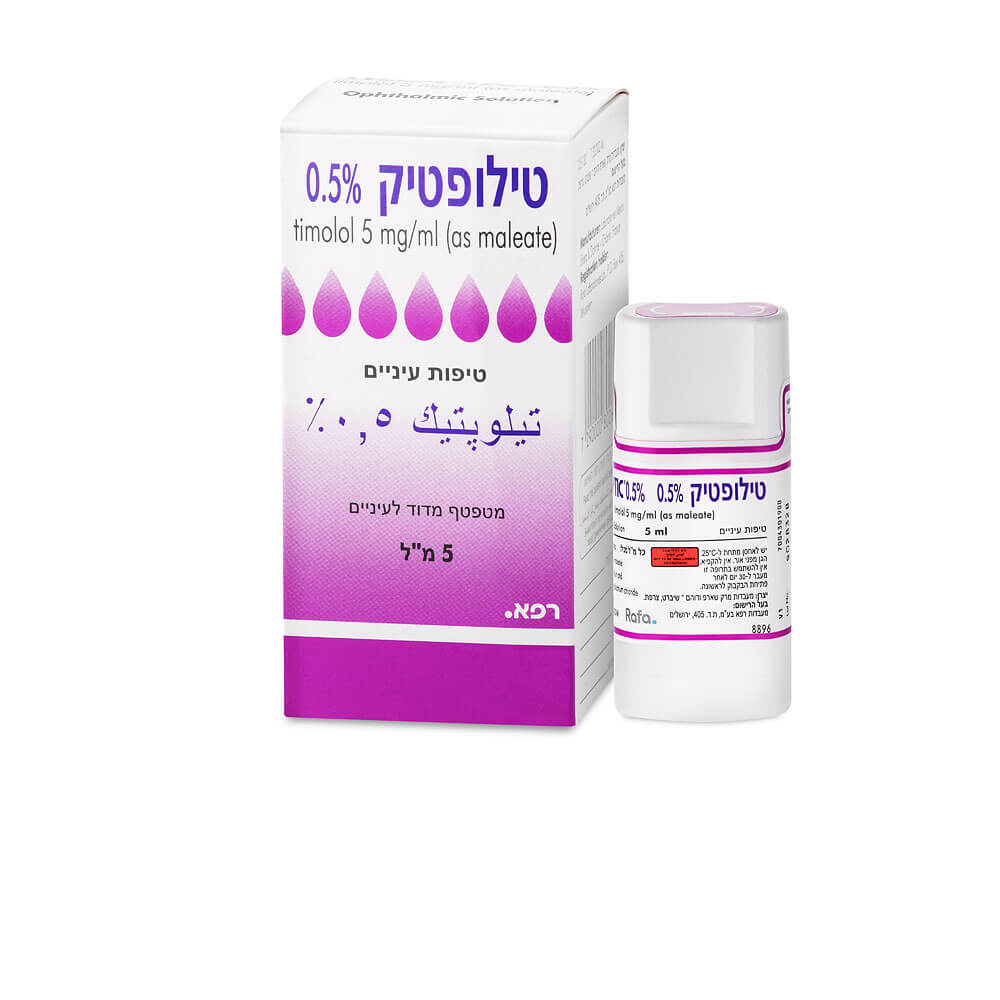
What is Istalol?
Istalol is a prescription eye drop medication containing the active ingredient Timolol Maleate. It belongs to a class of drugs known as beta-blockers. Doctors prescribe these eye drops to manage high pressure within the eye. This condition is often associated with glaucoma or ocular hypertension. Lowering eye pressure is crucial for preventing vision loss. Istalol provides a targeted way to control this pressure directly.
How does Istalol work?
Istalol works by reducing the production of fluid inside the eye. This fluid is called aqueous humor. Your eye constantly produces and drains this fluid to maintain a healthy pressure. In conditions like glaucoma, either too much fluid is made or it doesn’t drain properly. This leads to high intraocular pressure (IOP). Timolol, the active ingredient, blocks beta-receptors in the eye. This action slows down the secretion of aqueous humor. As a result, the pressure inside your eye decreases, protecting the optic nerve from damage.
Who is Istalol for?
Istalol is for adults who have been diagnosed with high eye pressure. It is primarily prescribed for two main conditions. The first is open-angle glaucoma, the most common form of glaucoma. The second is ocular hypertension, which simply means the pressure in the eye is higher than normal without optic nerve damage yet. This medication is suitable for patients who need to lower their intraocular pressure to prevent the progression of glaucoma and potential vision loss. It is not intended for use in children unless specified by a doctor.
Dosage and administration
Istalol is typically administered as one drop into the affected eye or eyes. Depending on the doctor’s prescription, this is usually done once or twice per day. Proper administration is important for effectiveness and safety. Always wash your hands before applying the drops. Tilt your head back and pull down your lower eyelid to create a small pocket. Hold the dropper directly over your eye and squeeze out a single drop. Avoid touching the dropper tip to your eye or any other surface. After applying, gently close your eye and press on the corner near your nose for one minute. This helps prevent the medicine from draining into your bloodstream.
Side effects
Istalol may cause some side effects, though not everyone experiences them. The most common effects occur in the eye. These can include temporary stinging, burning, blurred vision, or a feeling of something in the eye. Some people may also experience dry eyes or eye redness. Although it is an eye drop, the medication can be absorbed systemically. This can lead to side effects elsewhere in the body. These are less common but can be serious. They may include a slowed heart rate, dizziness, fatigue, or difficulty breathing. Contact your doctor if you experience any bothersome or severe side effects.
Why buy from IsraelPharm?
IsraelPharm offers a simple and secure way to purchase your prescription medications online. We provide access to brand-name drugs like Istalol at competitive prices. Our platform is managed by licensed pharmacists, ensuring your safety and the quality of your medication. We pride ourselves on excellent customer service and reliable, discreet shipping directly to your home. By choosing IsraelPharm, you can manage your health affordably and conveniently. You get the same trusted medications from leading manufacturers without the high costs. Our team is here to assist you with your prescription needs.
Most side effects of Istalol are mild and temporary. However, some can be more serious. Always consult with your doctor about potential risks.
Common Side Effects:
- Temporary stinging or burning in the eye
- Blurred vision
- Dry or itchy eyes
- A feeling as if something is in the eye
- Eye redness
Less Common but Serious Side Effects:
- Slow or irregular heartbeat
- Dizziness or fainting
- Shortness of breath or wheezing
- Muscle weakness
- Coldness or numbness in hands and feet
Istalol (Timolol Maleate) is prescribed to lower elevated pressure in the eye. It is primarily used for the following conditions:
- Open-angle glaucoma: A chronic condition that gradually damages the optic nerve.
- Ocular hypertension: A condition where the pressure inside the eye is higher than normal, increasing the risk of developing glaucoma.