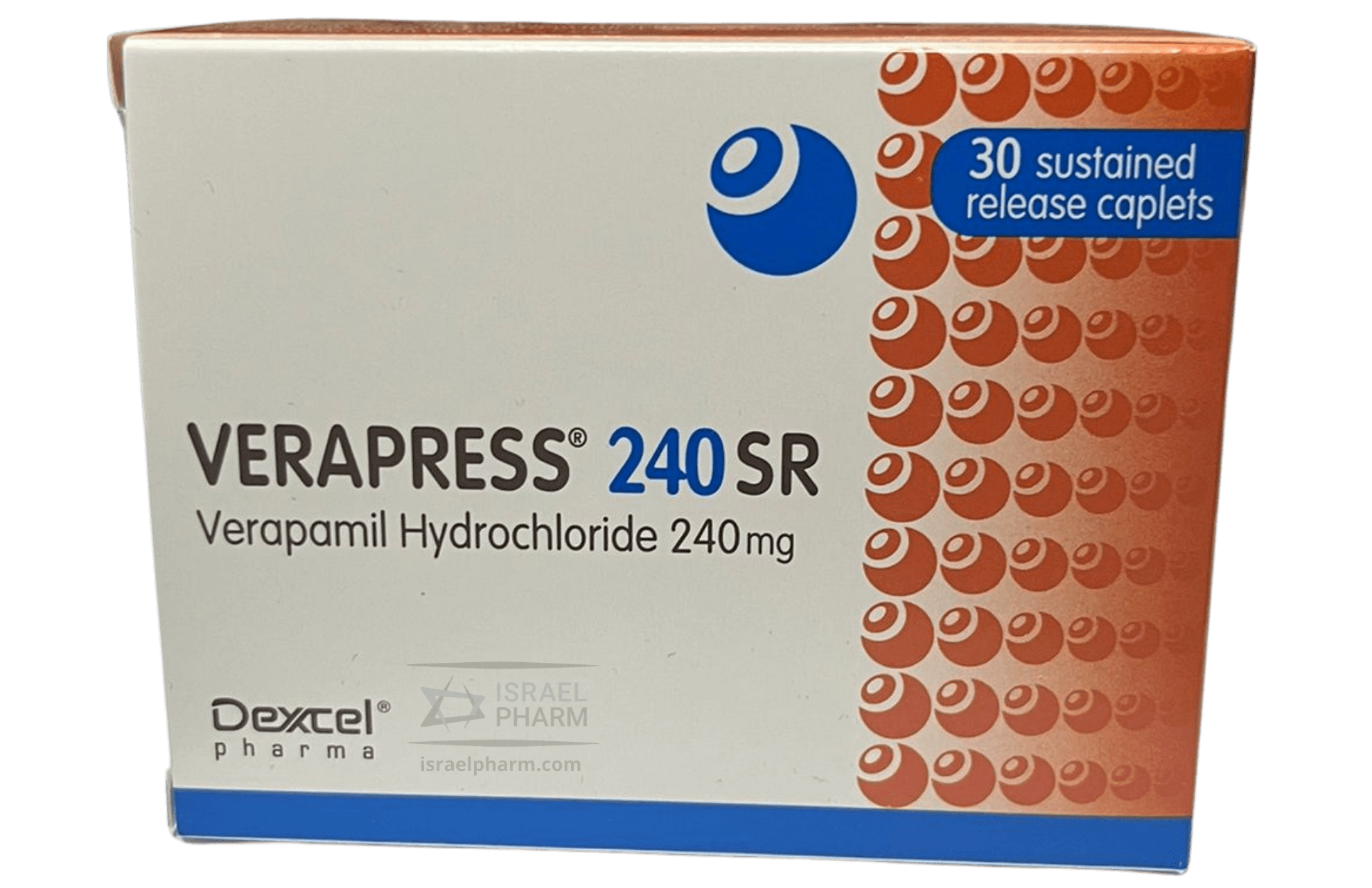
What is Isoptin?
Isoptin is a prescription medication used to treat several conditions affecting the heart and blood vessels. Its active ingredient is Verapamil, which belongs to a class of drugs called calcium channel blockers. Doctors primarily prescribe Isoptin to manage high blood pressure, prevent chest pain, and control irregular heartbeats. By treating these conditions, it helps lower the risk of serious events like heart attacks and strokes. This medication is available in both immediate-release and sustained-release forms to fit different patient needs.
How does Isoptin work?
Isoptin works by blocking the movement of calcium into the muscle cells of the heart and blood vessels. Calcium is needed for muscles to contract. By reducing calcium flow, Isoptin relaxes the blood vessels throughout the body. This relaxation allows blood to flow more easily, which helps to lower blood pressure. It also slows the heart rate and reduces the force of the heart’s contractions. This decreases the heart’s workload and its need for oxygen, which helps to prevent angina, or chest pain.
Who is Isoptin for?
Isoptin is for adults who require treatment for specific cardiovascular disorders. It is commonly prescribed for patients with hypertension, also known as high blood pressure. Doctors also give it to individuals who suffer from angina, which is chest pain related to heart disease. The medication is also suitable for patients with certain types of heart rhythm disorders. These include supraventricular tachycardia, atrial fibrillation, and atrial flutter. In some cases, a doctor may recommend it off-label for migraine prevention. This drug is not for patients with certain severe heart conditions.
Dosage and administration
Isoptin dosage and administration are tailored to the individual patient and their specific condition. A healthcare provider will determine the correct dose after a thorough evaluation. Patients usually take this medication orally, with or without food. It is important to swallow the tablets whole and not to crush or chew them. For consistent results, try to take your doses at the same times each day. Never change your dose or stop taking Isoptin without first consulting your doctor. Doing so can cause your condition to worsen.
Side effects
Isoptin may cause side effects, though not everyone will experience them. The most common side effects are generally mild. They can include constipation, headache, dizziness, and fatigue. Nausea may also occur. More serious side effects are possible but much less common. These can include a significant drop in blood pressure or worsening heart failure symptoms. Symptoms like fainting or swelling in the feet require immediate medical attention. For a full list of potential effects, always consult the patient information leaflet and your doctor.
Why buy from IsraelPharm?
IsraelPharm offers a safe, reliable, and affordable way to purchase your prescription medications online. We source our products only from licensed manufacturers, ensuring you receive genuine Isoptin. Our streamlined ordering process is convenient and discreet, delivering your medication directly to your door. With competitive pricing, you can save on your treatment without compromising on quality or safety. Our customer service team is available to assist with any questions you may have about your order. Trust IsraelPharm for your health and wellness needs.
Most patients tolerate Isoptin well. However, some common side effects may occur. A doctor prescribes this medication believing the benefits outweigh the risks. Side effects may include:
- Constipation
- Headache
- Dizziness or lightheadedness
- Nausea
- Fatigue or tiredness
Serious side effects are rare but require immediate medical attention. These include symptoms of heart failure like swelling in the ankles or feet, shortness of breath, or fainting. Always discuss potential side effects with your healthcare provider before starting treatment.
Isoptin is prescribed by doctors to treat a range of cardiovascular conditions. Its primary uses include:
- Managing hypertension (high blood pressure)
- Treating and preventing angina (chest pain)
- Controlling supraventricular tachycardia (abnormally fast heart rhythm)
- Managing atrial fibrillation and atrial flutter (irregular heart rhythms)
Isoptin may also be used off-label for the prevention of migraine headaches.