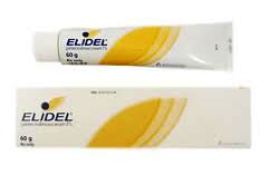
What is Elidel?
Elidel is a prescription cream used to treat a type of eczema called atopic dermatitis. It contains the active ingredient pimecrolimus. This medication is a non-steroidal topical calcineurin inhibitor. It is typically prescribed when other eczema treatments, such as topical steroids, have not worked or are not appropriate. Elidel is also used off-label to treat vitiligo. This is a condition where the skin loses its pigment or color in patches. Elidel helps to manage inflammation and skin symptoms effectively.
How does Elidel work?
Elidel works by suppressing the body’s own immune system in the skin. The active ingredient, pimecrolimus, stops specific immune cells called T-cells from releasing inflammatory chemicals. These chemicals, known as cytokines, cause the symptoms of eczema. This includes redness, swelling, and itching. By blocking this inflammatory response at its source, Elidel calms the skin. It effectively reduces the flare-ups associated with atopic dermatitis. This process helps restore the skin to a more normal, comfortable state without using steroids.
Who is Elidel for?
Elidel is for adults and children two years of age and older with mild to moderate atopic dermatitis. It is considered a second-line therapy. This means it is used when first-line treatments like topical corticosteroids are not effective. It is also an option for patients who cannot tolerate corticosteroids. Or, it is used on sensitive areas like the face and eyelids where steroids can be too harsh. Doctors may also prescribe Elidel for individuals with vitiligo to help restore skin color. It is not for people with a weakened immune system.
Dosage and administration
Elidel dosage and administration require careful application as directed by your doctor. You should apply a thin layer of Elidel cream to the affected skin areas twice daily. Gently and completely rub the cream into the skin. Stop using it when signs and symptoms, like itch and redness, go away. If symptoms do not improve after six weeks, consult your doctor. You can use Elidel on all skin surfaces. This includes the face, head, and neck. Wash your hands with soap and water after applying the cream, unless your hands are the treatment area.
Side effects
Elidel has some potential side effects, although many people have no issues. The most common side effect is a mild burning or stinging sensation at the application site. This usually happens at the beginning of treatment and resolves within a few days. Headaches may also occur. More serious side effects are rare. However, you should seek immediate medical attention for signs of a severe allergic reaction. These include swelling of the face or throat, difficulty breathing, or hives. The FDA has also noted a rare risk of lymphoma or skin cancer. Use Elidel only as prescribed and for the shortest duration necessary.
Why buy from IsraelPharm?
IsraelPharm offers a reliable and convenient way to purchase your essential medications like Elidel. We are committed to providing authentic, brand-name products sourced from licensed suppliers. Our prices are competitive, helping you save on your treatment costs. With a straightforward ordering process and discreet, direct-to-door shipping, we prioritize your health and privacy. Our customer support team is available to assist you with any questions. Trust IsraelPharm for affordable prices and dependable service for all your prescription needs, delivered right to your home.
Most side effects of Elidel are mild and temporary. Consult your doctor if any symptom persists.
Common Side Effects:
- A feeling of warmth or burning at the application site
- Headache
- Cough or runny nose
- Mild skin irritation
Serious Side Effects:
Serious side effects are rare, but require immediate medical attention. Seek help if you experience:
- Signs of a severe allergic reaction (anaphylaxis), such as hives, difficulty breathing, or swelling of the face, lips, tongue, or throat.
- Swollen glands (lymph nodes).
- Signs of a skin infection, such as cold sores, blisters, or warts.
Elidel is a prescription medication used for the following conditions:
- Atopic Dermatitis (Eczema): For the short-term and intermittent long-term treatment of mild to moderate eczema in patients who are not suited for or have failed other topical prescription treatments.
- Vitiligo: As an off-label treatment to help manage the loss of skin color associated with this autoimmune condition.


 Allergy Pack
 Beauty Pack