 Most people are familiar with the bundle of medications that have hit our shelves over the past five or so years, which have either directly or indirectly revolutionized the whole field of weight loss. We can now introduce the latest, and in many ways the most exciting product in this field, which is Zepbound.
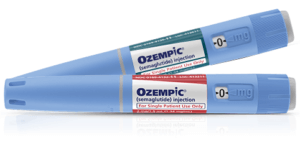
In just a few years, the world of weight management has seen a dramatic shift. What started with GLP-1 drugs like Ozempic and Wegovy or Mounjaro has quickly grown into a broader movement, one that’s changing how we think about obesity, hunger, and long-term health.
These medications, originally developed for type 2 diabetes, were found to have an unexpected (and welcome) side effect: they helped people lose significant amounts of weight. This led to a surge in new weight-loss treatments based on similar science, including a newer generation of medications that work on more than just one hormone.
Enter Zepbound, a name you’ve likely seen in headlines or social media feeds. Approved by the FDA in 2023, Zepbound contains tirzepatide, a medication that mimics not one, but two natural hormones involved in appetite and blood sugar control. It’s the first of its kind and represents a big step forward in obesity treatment. But how does it actually work? How much weight can you lose on it? And what happens when you stop taking it?
The science behind Zepbound: a quick primer 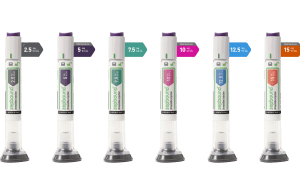
Zepbound works by imitating two hormones your body naturally produces after you eat: GLP-1 and GIP. These hormones help regulate blood sugar, slow down digestion, and send signals to your brain that you’re full. The more active these signals are, the less likely you are to keep eating.
Unlike other drugs that focus only on GLP-1, Zepbound targets both GLP-1 and GIP receptors, which appears to enhance its effect. You feel satisfied with smaller portions, you’re less likely to snack impulsively, and you may even notice a reduced interest in high-calorie foods.
But it’s not a stimulant. Zepbound doesn’t speed up your heart or make you jittery. Instead, it supports a slower, more natural feeling of fullness, something that’s often disrupted in people with obesity or related health conditions.
How much weight are people really losing with tirzepatide?
 In clinical studies, people using Zepbound lost 16% to 22% of their total body weight over about 72 weeks. That’s roughly 35 to 52 pounds for someone starting at 220 pounds. And this wasn’t just from extreme dieting or intense workouts. These were regular adults making moderate lifestyle changes, supported by the medication.
It’s worth noting that weight loss is a gradual process. Most people start to see results within the first few weeks, but the biggest changes often come after several months. If you’re starting Zepbound, it’s good to think of it as a long-term investment rather than a quick fix.
Timing and expectations: when does Zepbound start working?
Zepbound starts with a low dose that’s gradually increased over several weeks. This gives the body time to adjust and minimizes side effects. Most users notice they’re getting full sooner, often in the first few weeks. But the real weight loss usually starts to show after the first month or two.
By the three-month mark, many people have already lost a few pounds. Some lose more, some less, but overall, the trend is steady. And for those who stay on the medication and stick to healthy habits, the results often continue to improve over time.
Is this forever? How long must I stay on Zepbound?
There’s no simple answer, because it depends on your goals and how your body responds. Many people stay on Zepbound for a year or more to reach their target weight. Others may take it for longer to maintain their results.
That’s because when people stop using Zepbound, it’s common for the weight to start creeping back. This isn’t a failure of the drug. It’s just that the appetite-controlling hormones return to their natural levels, and old habits can re-emerge.
Doctors often recommend continuing Zepbound as long as it’s working and not causing problems. For some, that might mean staying on it for years. For others, it might mean tapering off after building strong new habits.
What happens when you stop taking Zepbound?
Unfortunately, research shows that stopping Zepbound, especially without a plan, can lead to regaining lost weight. Your hunger may return, your cravings might increase, and it can be harder to resist overeating.
Some people find they’re able to keep the weight off by sticking to their new routines. But for many, continuing the medication (even at a lower “maintenance dose”) provides helpful support.
Think of it like this: if you were using glasses to see better, and they were working well, you wouldn’t stop wearing them and expect perfect vision. Zepbound works the same way. It’s a tool, not a cure.
A new approval: Zepbound for sleep apnea
In late 2024, the FDA expanded Zepbound’s use to include obstructive sleep apnea (OSA) in adults with obesity. That’s a big deal. Sleep apnea is a condition where breathing repeatedly stops during the night, often because extra weight presses on the airway.
Zepbound doesn’t replace CPAP machines, but it can help by reducing the fat around the neck and improving breathing during sleep. In studies, people with sleep apnea who lost weight on Zepbound had fewer breathing interruptions and better quality sleep.
This new approval highlights something important: weight loss isn’t just about appearance. It can also improve serious health conditions, from type 2 diabetes to high blood pressure to sleep apnea. Zepbound is part of that bigger picture.
FAQs about Zepbound
How does Zepbound work for weight loss and weight management?
Zepbound mimics two hormones that help you feel full and slow digestion. This helps reduce hunger, making it easier to eat less and stick to healthy habits. It works gradually and is meant for long-term weight management.
How much weight can you lose using Zepbound?
In clinical trials, people lost about 16% to 22% of their body weight over 72 weeks. That’s around 35–52 pounds for someone weighing 220 pounds. The results depend on your dose, your habits, and how long you stay on the medication.
How long does it take for Zepbound to start working?
Most people feel less hungry within the first few weeks. Visible weight loss often starts after a month, with bigger changes happening after three to six months of regular use.
How long do you need to stay on Zepbound?
Zepbound is meant for long-term use. Some people stay on it for a year or more, and others continue longer to help keep the weight off. Stopping too soon may lead to weight regain.
What happens when you stop taking Zepbound?
Many people regain weight after stopping Zepbound, especially if they haven’t made lasting changes to their diet and activity. Some continue on a lower dose to help maintain progress.
Is Zepbound approved to treat conditions beyond weight loss?
Yes. In 2024, Zepbound was approved to treat obstructive sleep apnea in adults with obesity. It helps by reducing fat that blocks the airway during sleep, leading to better breathing and improved sleep quality.