 Normoglycemia is a term that’s drawing a lot of attention in medical circles lately, not because it is new, but because suddenly it seems possible that people who have a medical condition that has always been considered “incurable” may be able to achieve the normal state, which is what normoglycemia is.
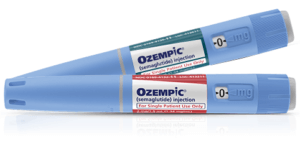
The thing that’s drawing so much attention to normoglycemia is the publication of findings in a research trial in 2025 that tirzepatide (marketed as Mounjaro), one of the most popular treatments for type 2 diabetes, was found to “increase the odds for normoglycemia achievement by more than 16 times.” That’s close to saying that, finally, it may be possible to cure diabetes – not for everyone, and not guaranteed, but the prospect is real! More about that a bit later.
Blood sugar testing
How blood sugar is measured:
The benchmark that doctors use when investigating a patient’s condition is a fasting blood glucose level.
What it means:
Blood glucose levels change dynamically all through a normal day, spiking up after eating or drinking either sugar-laden products (chocolates, cakes, jelly beans), or foods that are loaded with molecules that the body can quickly convert to sugars – high glycemic index (GI) foods like starch, carbohydrates, and alcohol. Exercise quickly draws glucose out of the bloodstream as it is converted into energy.
The best way to establish the basic level of sugar in the blood is to restrict food and liquid intake (other than water) for 12 hours, and then take a sample of blood. Usually, this happens in the early morning, because people generally don’t like to fast while awake. The pattern has extra benefits, because it eliminates the effects of exercise – most people who are fasting don’t go for a 10-mile run or visit the gym before they get the sample pulled.
A further way to smooth-out any transient spikes or dips is to average three readings taken over a time-span of three months. This is the HbA1c measure (sometimes simply A1c) that combines the last three readings, and expresses the result as a single number. The result is reported as a percentage. The higher the percentage, the higher the blood glucose levels have been, on average. “Good” A1c numbers fall inside the range of 4.0 to 5.5%.
A1c is not commonly used as a monitor for hypoglycemia, because a single reading of less than 70 mg/dL (3.9 mmol/L | A1c= 1.1%) is a warning sign, and doctors would take immediate action rather than wait for a 3-month average.
Getting tirzepatide at affordable prices
 IsraelPharm is special in the way we are able to bring branded high-demand medicines to U.S. customers who are otherwise having to pay what are known to be the highest retail prices in the advanced world. This is particlularly the case for cold-chain prescription drugs like Mounjaro, which have to be shipped and monitored door-to-door in special conditions to preserve their power. A quick comparison of regular prices from U.S. pharmacies will show the difference – and remember, treatments for diabetes and other chronic conditions are life-long commitments, not single-shot cures. We can regularly offer the exact same drugs, from the same suppliers/manufacturers as U.S. pharmacies get them, at between 40% and 70% discount – month after month, without any hidden hooks of subscription fees and one-time coupon discounts.
An overview of blood sugar results
The state of normal blood sugar (glucose) levels, where the body effectively regulates glucose for stable energy supply, is called normoglycemia. It is typically defined as consistently having fasting glucose levels below 100 milligrams per deciliter (mg/dL).
Side bar: Blood sugar levels are typically measured in milligrams per deciliter (mg/dL) in the United States, but in most other countries, they are measured in millimoles per liter (mmol/L).
There’s a simple formula to convert from one to the other, but to make it easy, here’s a table that shows all three:
| Normal | Pre-diabetic | Diabetic | |||||
|---|---|---|---|---|---|---|---|
| A1c | 4.8 | 5.4 | 5.6 | 6.2 | 6.4 | 7.0 | 8.0 |
| mg/dL | 91 | 108 | 114 | 131 | 137 | 154 | 183 |
| mmol/L | 5.1 | 6.0 | 6.3 | 7.3 | 7.6 | 8.6 | 10.2 |
Abnormal states are called either :
- hypoglycemia, when the sugar levels are low
- hyperglycemia, when sugar levels are higher than normal. The word that almost everyone will recognize – the condition clinically labeled as diabetes mellitus – or more usually, plain diabetes.
Achieving or maintaining normoglycemia is crucial, because persistent variations in blood sugar levels can cause serious – even life-threatening – damage to the body. In the following table, we will summarise the main features and dangers of these two conditions.
| Primary danger | Key organs affected | Outcome if not treated | |
|---|---|---|---|
| Diabetes | Long-term organ damage (irreversible) | Eyes, Kidneys, Nerves, Heart | Organ failure, blindness, amputation |
| Hypoglycemia | Acute, immediate brain/heart failure | Brain, Heart | seizures, cognitive loss, coma, death |
The importance of normal blood sugar control
Normoglycemia is the body’s balanced state, where the pancreas releases just enough insulin to help cells absorb glucose, and the liver stores any excess and releases it as needed.
One of the main problems in managing the outcomes of high blood sugar is that high blood sugar doesn’t usually hurt right away, but it quietly causes damage over time. Many people feel “mostly fine” for years, while changes are happening underneath the surface. That’s what makes it so tricky.
How High Blood Sugar Affects Daily Life
One of the earliest and most common effects is how people feel day to day.
People with persistent high blood sugar often notice:
-
- Constant tiredness, even after a full night’s sleep
- Feeling drained after meals instead of energized
- Trouble concentrating or feeling mentally “foggy”
- Slower reaction times and reduced focus
- Needing more caffeine just to get through the day.
This happens because sugar builds up in the bloodstream instead of being used efficiently by cells. The fuel is in the tank, but the body can’t access it properly.
What’s happening “under the covers”
Damage to blood vessels
This is the root of most problems. High blood sugar is harsh on blood vessels, especially the small, delicate ones.
Over time, this can lead to:
-
- Stiffening of blood vessel walls
- Reduced blood flow to key organs
- Increased pressure inside the vessels
- Slower healing throughout the body.
This damage is a big reason why high blood sugar affects so many different parts of the body at once.
Nerve damage (Neuropathy)
Nerves rely on steady blood flow and a stable internal environment. High blood sugar disrupts both.
Common nerve-related problems include:
-
- Tingling or “pins and needles” sensations
- Numbness, especially in the feet or hands
- Burning or sharp pains that come and go
- Reduced ability to feel heat, cold, or injury
- Balance issues due to reduced sensation.
Loss of feeling is especially dangerous because injuries can go unnoticed and worsen.
Eye problems and vision changes
The eyes are packed with tiny blood vessels, making them especially vulnerable.
High blood sugar can cause:
-
- Blurry or fluctuating vision
- Difficulty focusing or reading
- Eye fatigue and strain
- Increased sensitivity to light
- Progressive damage to the retina.
Vision changes often develop slowly, which is why they’re easy to miss, or just dismiss.
Kidney stress and damage
The kidneys filter waste from the blood nonstop. High sugar levels make that job much harder.
Over time, this may lead to:
-
- Leakage of important proteins into the urine
- Reduced filtering ability
- Fluid imbalance in the body
- Gradual loss of kidney function.
Kidney damage often has no early symptoms, which is why it can progress quietly.
Skin, mouth, and increased infection risks
Excess sugar affects how well the body defends and repairs itself.
People may notice:
-
- Dry, itchy, or slow-healing skin
- Frequent skin infections
- Gum irritation or bleeding
- Mouth infections or soreness
- Cuts and scrapes that take longer to heal.
- High sugar creates an environment where bacteria and fungi thrive.
Heart and circulation problems
When blood vessels are damaged throughout the body, the heart feels it too.
Long-term risks include:
-
- Reduced circulation to the legs and feet
- Chest discomfort during activity
- Increased strain on the heart
- Higher risk of serious cardiovascular events.
Looking at the big picture of hyperglycemia
High blood sugar isn’t just a “numbers problem.” It affects:
-
- How a person feels
- How the body repairs itself
- How organs age over time.
And because much of this damage happens quietly, awareness – not fear – is the first step toward protecting long-term health.
Why handling blood sugar levels is so important
Catching it early and restoring normoglycemia, before pre-diabetes has become entrenched, reduces the risk of developing Type 2 diabetes.
It reduces complications, helping to prevent nerve damage (neuropathy) and other issues associated with chronic high blood sugar.
It improves general health. Patients achieving near-normoglycemia often see improvements in weight, blood pressure, liver enzymes, and cholesterol.
How normoglycemia can be achieved:
Simple lifestyle changes like controlled dieting and exercise can help people return to normoglycemia.
GLP-1 medications like tirzepatide don’t just control day-to-day sugar levels. Newer research has shown that there is a much better chance of restoring normoglycemia even in patients where diabetes has already taken root. Tirzepatide has shown a high success rate in helping patients with Type 2 diabetes reach normoglycemic HbA1c levels (<5.7%).
Frequently asked questions about blood sugar and normoglycemia
What does normoglycemia actually mean in everyday terms?
Normoglycemia refers to a state where blood sugar levels stay within a normal, healthy range over time. In everyday terms, it means the body is keeping blood sugar stable enough to support steady energy, normal organ function, and long-term health. It does not mean blood sugar never changes—levels naturally rise and fall during the day—but those changes stay within safe limits. The article explains normoglycemia as the balanced state the body aims for, where glucose is managed smoothly without placing stress on blood vessels, nerves, or organs.
Why can high blood sugar cause damage even if someone feels fine?
High blood sugar often causes damage quietly. The article emphasizes that many people feel mostly normal for years while changes are happening beneath the surface. Blood vessels, nerves, kidneys, and eyes can be affected long before obvious symptoms appear. Because the damage builds gradually, it may not trigger pain or strong warning signs early on. This delayed effect is what makes high blood sugar risky—it can progress unnoticed until complications are harder to reverse or manage.
How does high blood sugar affect daily energy and mental focus?
Persistent high blood sugar can interfere with how the body uses energy. Even though glucose is present in the blood, it may not be used efficiently by cells. As a result, people may feel tired despite adequate rest, mentally foggy, or drained after meals. The article describes slower reaction times, difficulty concentrating, and the need for extra caffeine as common experiences. These effects can impact work, mood, and overall quality of life long before serious medical complications develop.
Why are the eyes, kidneys, and nerves especially vulnerable to high blood sugar?
The eyes, kidneys, and nerves rely heavily on tiny blood vessels and stable internal conditions to function properly. High blood sugar puts stress on these small vessels, reducing blood flow and damaging delicate tissues. Over time, this can affect vision, filtering ability in the kidneys, and sensation in the hands and feet. The article highlights that these organs are often affected first because they are less able to tolerate long-term sugar-related stress than larger or more resilient systems.
What makes nerve damage from high blood sugar so dangerous?
Nerve damage can reduce or distort sensation, especially in the feet and hands. The article explains that this may cause tingling, numbness, burning pain, or balance problems. The most serious risk is loss of feeling, because injuries may go unnoticed. Cuts, pressure sores, or infections can worsen without pain as a warning signal. Over time, this increases the risk of serious complications, especially when combined with slower healing caused by high blood sugar.
Why is maintaining normal blood sugar considered so important for long-term health?
Maintaining normal blood sugar helps protect nearly every major system in the body. The article makes clear that stable blood sugar supports healthy blood vessels, nerves, kidneys, eyes, skin, and heart function. When levels stay too high for long periods, organs age faster and become more vulnerable to damage. Because many of these effects develop slowly, keeping blood sugar within a normal range plays a key role in preserving long-term health, function, and independence.